

Pope Leo XIV’s Historic Visit to Monaco: A Call for Faith and Moral Leadership
A Royal Welcome in the Mediterranean Jewel
Pope Leo XIV made history on Saturday by becoming the first pontiff to visit Monaco in nearly five centuries, marking a significant moment for both the Catholic Church and the tiny, wealthy principality nestled on the Mediterranean coast. The last papal visit occurred in 1538 when Pope Paul III traveled to the region, making this nearly 500-year gap between visits all the more remarkable. The Pope’s arrival was met with all the ceremony befitting such a momentous occasion, with ceremonial cannons booming across the harbor as Prince Albert and Princess Charlene greeted him at the Monaco heliport. The setting couldn’t have been more symbolic – just down the coast from the famous marina where the megayachts of the world’s wealthiest individuals bob gently in the azure waters. At the royal palace, the scene was equally impressive, with members of Monaco’s royal family assembled in the courtyard, dressed according to strict Vatican protocol. The women wore elegant black attire with traditional lace head coverings, while Princess Charlene stood out in white – a special privilege known as “le privilège du blanc,” granted only to Catholic royal sovereigns when meeting with the Pope.
A Message of Responsibility and Purpose
From the balcony of the prince’s palace, Pope Leo XIV delivered a powerful message that set the tone for his entire visit. He called upon the residents of Monaco to use their considerable wealth, influence, and what he termed their “gift of smallness” for the greater good of humanity. This wasn’t simply a casual suggestion but a profound challenge to one of the world’s most affluent communities. The Pope’s words carried particular weight in the current global context, as he emphasized the importance of this message “especially at a historical moment when the display of power and the logic of oppression are harming the world and jeopardizing peace.” His speech was a call to action for Monaco’s cosmopolitan and predominantly Catholic population to leverage their unique position in the world not for personal gain but for moral leadership and positive change. The principality, known for its concentration of wealth and influence, was being asked to become a beacon of Catholic values and humanitarian concern in an increasingly troubled world.
The Sanctity of Life: A Central Theme
Speaking in French at Monaco’s cathedral, Pope Leo XIV delivered one of the most significant messages of his visit, urging the principality’s Catholics to actively spread their faith and, most importantly, to ensure “that the life of every man and woman may be defended and promoted from conception until natural death.” This carefully chosen language represents the Catholic Church’s longstanding opposition to both abortion and euthanasia, making it clear that the Pope’s visit wasn’t merely ceremonial but carried a strong moral and doctrinal purpose. This message took on particular significance given Monaco’s unique position as one of the very few European countries where Catholicism remains the official state religion. In a continent that has become increasingly secular, with many nations having moved away from religious governance and traditional Catholic teachings on social issues, Monaco stands as something of an outlier, maintaining its official Catholic identity even as the world around it changes.
Monaco’s Stand on Catholic Doctrine
Prince Albert’s recent decision to refuse a proposal to legalize abortion in Monaco provided important context for the Pope’s visit and his emphasis on the sanctity of life. The Prince cited the crucial role that Catholicism plays in Monegasque society as the reason for his decision, demonstrating a commitment to maintaining the principality’s Catholic character and teachings. While this decision was largely symbolic – given that abortion is a constitutional right in France, which completely surrounds the tiny coastal nation of approximately one square mile – it nonetheless represented a significant statement of values and priorities. Prince Albert’s action placed him in distinguished company among European Catholic royals who have taken similar stands over the years. Pope Francis himself recognized this pattern during his 2024 visit to Belgium, when he announced that the late King Baudouin was being put on the path to possible sainthood. The King’s claim to this honor stemmed from his extraordinary decision to abdicate for a single day in 1990 rather than approve legislation that would have legalized abortion in his country, choosing to temporarily give up his throne rather than violate his Catholic conscience.
A Principality of Contrasts
Monaco presents a fascinating study in contrasts – a coastal playground for the ultra-wealthy that nonetheless maintains deep Catholic roots and traditions. The principality has built its modern reputation on tax-friendly policies that attract the world’s richest individuals, glamorous events like the Formula 1 Grand Prix, and its fairy-tale royal family descended from Hollywood royalty. Prince Albert himself, the son of the late American actress Grace Kelly, embodies this blend of Hollywood glamour and European nobility. When he greeted Pope Leo XIV at the heliport, he spoke in perfect, unaccented English, demonstrating the cosmopolitan nature of Monaco’s leadership. Even in such formal circumstances, there were human moments – the Pope was heard remarking that his helicopter had landed three minutes behind schedule, a small detail that added a touch of everyday reality to the grand occasion. The principality’s population of 38,000 is remarkably diverse and overwhelmingly Catholic, though only about one-fifth are actually citizens of Monaco. This creates a unique community where international residents live alongside native Monegasques, all sharing in the principality’s Catholic identity and culture.
A Community United in Faith
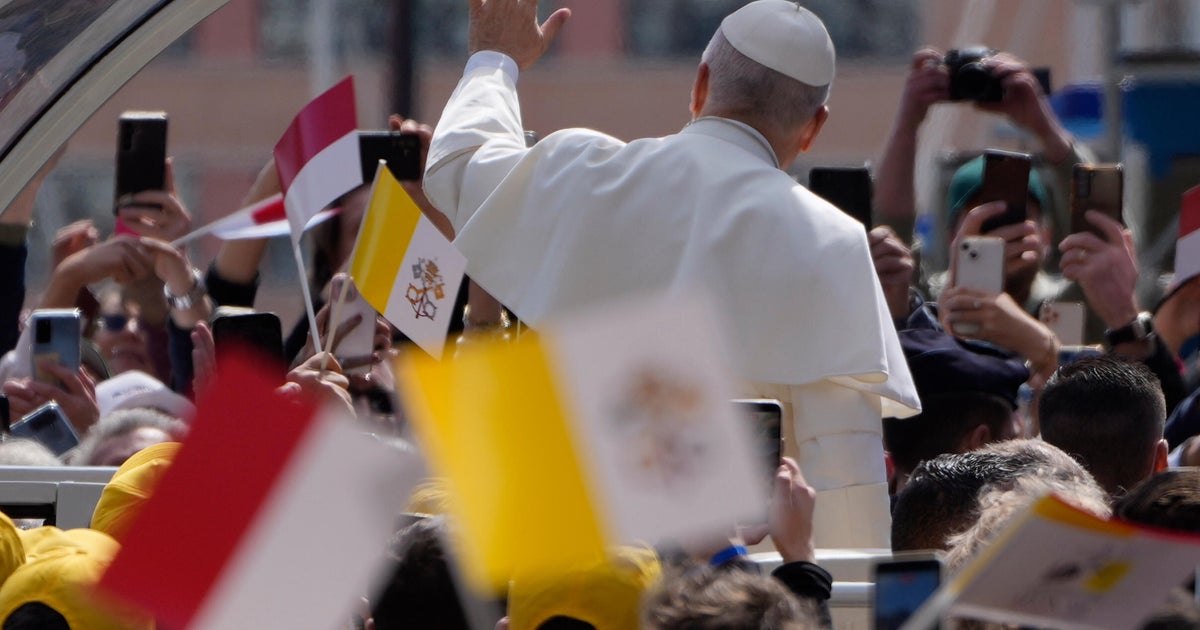
The warmth of the reception that Pope Leo XIV received demonstrated that Monaco’s Catholic identity isn’t merely official or ceremonial but genuinely felt by its residents. On a beautiful spring day, crowds flocked to the palace grounds hoping to catch a glimpse of the pontiff, while others lined the streets waving Vatican and Monaco flags as his open-sided popemobile made its way through the principality’s narrow streets. The Pope’s schedule reflected both the ceremonial and pastoral aspects of his visit, including a meeting with Monaco’s Catholic community in the cathedral and a Mass celebrated in the sports stadium, allowing as many people as possible to participate in this historic occasion. This combination of official state functions and direct engagement with the faithful reflected the dual nature of the visit – both a diplomatic mission to a sovereign nation and a spiritual journey to minister to a Catholic community. For Monaco’s residents, whether citizens or international expatriates, the visit represented a rare opportunity to experience their faith at the highest level, receiving direct encouragement and guidance from the leader of the Catholic Church. The Pope’s message asking them to use their privileges and resources for good, particularly in defending life and promoting peace, gave them a clear sense of purpose and responsibility that extended far beyond their tiny principality to the troubled world beyond.