
Trump Hints at “Friendly Takeover” of Cuba Amid Growing Tensions
Unexpected Comments Raise Questions About U.S.-Cuba Relations
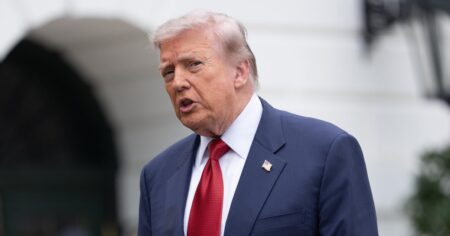
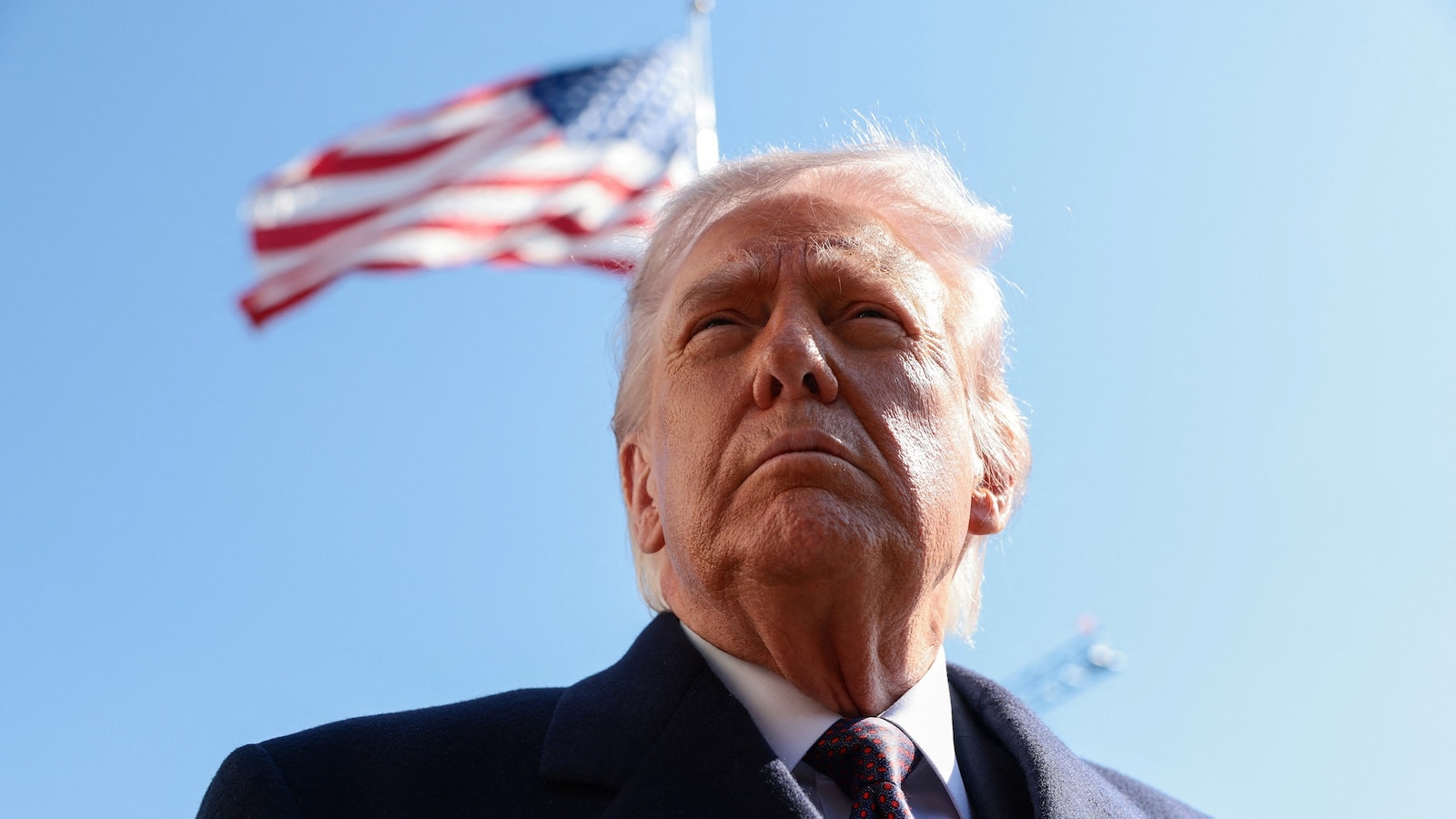
In a striking departure from conventional diplomatic language, President Donald Trump suggested the possibility of what he called a “friendly takeover of Cuba” while fielding questions from reporters at the White House on Friday. The president made these unexpected remarks as he was leaving for a trip to Corpus Christi, Texas, though he offered no concrete details about what such a takeover might actually entail or how it would be accomplished. The comment didn’t come out of nowhere—it followed a question about a violent incident that occurred off the Cuban coast just two days earlier, on Wednesday. That confrontation, which turned deadly, has added another layer of complexity to the already strained relationship between the United States and its island neighbor. When pressed about what he believed actually happened during the boat incident and whether he trusted the Cuban government’s version of events, Trump pivoted to discussing Cuba’s dire economic situation, suggesting that the country’s financial desperation might create opportunities for unprecedented cooperation—or something more.
The Deadly Boat Incident That Sparked the Discussion
The context for Trump’s remarks was a violent confrontation in Cuban waters that left multiple people dead and raised serious questions about what exactly transpired. According to Cuban officials, people aboard a speedboat registered in the United States opened fire on Cuban border patrol troops on Wednesday. The Cubans claim their forces were simply attempting to identify and intercept the vessel, which they say was trying to “carry out an infiltration for terrorist purposes.” The shootout resulted in four deaths among those on the boat, with six others injured and subsequently detained by Cuban authorities. Among the casualties, at least one American citizen was killed and another wounded, according to information provided to ABC News by two State Department officials and a White House official. Secretary of State Marco Rubio stated on Wednesday that the United States was working to independently verify what actually happened, suggesting that the American government wasn’t simply taking Cuba’s word for what occurred. By Thursday, Cuban officials indicated they were sharing information about the incident with the U.S. through existing diplomatic channels between the two nations. However, as of Friday, Trump provided no additional updates or insights into the investigation, instead using the question as a launching point for his broader comments about Cuba’s vulnerability.
Cuba’s Economic Crisis: The Foundation for Trump’s Claims
Trump’s repeated emphasis on Cuba’s economic difficulties wasn’t without basis—the island nation is indeed facing one of its most severe economic crises in decades. “They have no money, they have no oil, they have no food,” Trump stated bluntly, painting a picture of a nation in desperate straits. The president characterized Cuba as “a nation in deep trouble” and claimed that Cuban officials “want our help.” This assessment of Cuba’s vulnerability appears to be central to Trump’s thinking about the potential for what he termed a “friendly takeover.” The president suggested that high-level talks are already underway, with Secretary of State Marco Rubio—a Cuban-American who has long been one of the most prominent critics of the Cuban government—leading the American side of these discussions. Trump’s characterization of these talks as occurring “at a very high level” suggests that something more substantial than routine diplomatic contact may be taking place. However, without more details, it’s impossible to know whether these discussions are actually exploring some kind of major shift in the relationship between the two countries, or whether Trump was simply speaking hypothetically about possibilities he sees emerging from Cuba’s economic desperation.
The Tariff Strategy: Economic Pressure Intensifies
Trump’s comments about Cuba’s economic troubles come in the context of deliberate U.S. policies designed to increase that pressure. Just a month ago, in late January, Trump announced a plan to impose additional tariffs on countries that provide oil to Cuba, declaring a national security emergency with regard to the island nation. The executive order he signed on January 29 stated that “the policies, practices, and actions of the Government of Cuba constitute an unusual and extraordinary threat” to U.S. national security and foreign policy. The order went beyond simply restricting direct U.S. engagement with Cuba—it included retaliatory tariffs on products sold in the United States from “any other country that directly or indirectly sells or otherwise provides any oil to Cuba.” This sweeping approach effectively creates a fuel blockade around Cuba, pressuring third countries to choose between access to the American market and maintaining energy relationships with Cuba. The impact of this policy has been swift and severe. After just one month of this fuel blockade, a senior United Nations official warned on Thursday that “humanitarian consequences are deepening by the day” in Cuba. This deteriorating situation provides the backdrop for Trump’s suggestion that Cuba might be amenable to some kind of “friendly takeover”—though whether such an arrangement would address or worsen the humanitarian crisis remains unclear.
What Could a “Friendly Takeover” Actually Mean?
Trump’s phrase “friendly takeover” is unusual in diplomatic contexts and raises more questions than it answers. In business terminology, a friendly takeover typically refers to an acquisition where the target company’s management agrees to be purchased, as opposed to a hostile takeover where the acquisition happens over management’s objections. But what would this mean when applied to a sovereign nation? Trump didn’t elaborate on the specifics, leaving analysts, diplomats, and the public to speculate about what he might have in mind. The possibilities range widely—from some kind of economic integration or protectorate status, to a scenario where the Cuban government might seek incorporation into the United States in exchange for economic relief and security guarantees. Historically, Cuba was effectively under U.S. control following the Spanish-American War until it gained full independence in 1902, though the U.S. maintained significant influence through much of the first half of the 20th century. The 1959 revolution led by Fidel Castro specifically rejected this U.S. influence, leading to more than six decades of hostility between the two nations. For Cuba to now voluntarily enter into any arrangement that could be characterized as a “takeover,” even a “friendly” one, would represent a complete reversal of the principles that have defined the Cuban government since the revolution. Whether Cuba’s current leadership, even facing economic catastrophe, would seriously consider such a dramatic shift remains highly questionable.
International Implications and What Comes Next
The idea of a U.S. “takeover” of Cuba, friendly or otherwise, would have massive implications far beyond the two countries directly involved. Cuba maintains relationships with countries around the world, and any change in its status would affect those ties. Russia and China, both of which have interests in Cuba, would likely view any such development with concern. Latin American nations, many of which have their own complicated histories with U.S. intervention in the region, would be watching closely to see whether this represents a new approach to American foreign policy in the hemisphere. The humanitarian situation on the island adds urgency to whatever happens next, as the UN official’s warning suggests that ordinary Cubans are suffering under the current circumstances. Whether Trump’s comments represent actual ongoing negotiations, wishful thinking, or simply an off-the-cuff remark remains to be seen. Secretary Rubio’s involvement in high-level talks with Cuba could indicate something substantive is happening, given his prominent role in Cuban-American politics and his historically hard-line stance toward the Cuban government. For now, the world is left to wonder what “friendly takeover” actually means, how Cuba’s government would respond to any such proposal, and whether the economic pressure the Trump administration is applying will lead to a historic breakthrough in U.S.-Cuba relations or simply deepen the suffering of the Cuban people. As information about the deadly boat incident continues to emerge and diplomatic channels between the two countries remain active, the coming weeks may provide more clarity about whether Trump’s comments represent a serious policy direction or were simply speculation about possibilities he sees emerging from Cuba’s current crisis.