



The Growing Crisis: How Credit Card Debt Is Crushing American Households
Half of Credit Card Holders Are Struggling With Mounting Debt
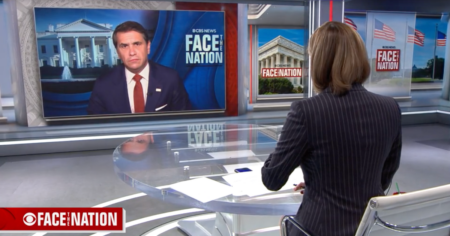
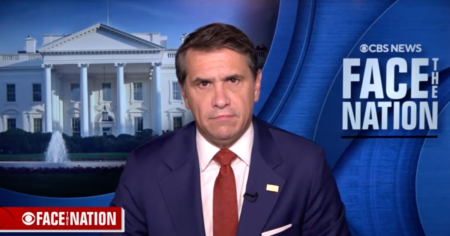
America is facing a sobering financial reality that affects millions of everyday families. According to recent research from The Century Foundation and Protect Borrowers, approximately 111 million Americans—representing half of all credit card holders and 40% of the entire adult population—are currently carrying credit card debt they cannot pay off at the end of each month. This isn’t just a minor uptick in financial difficulty; it represents a significant 17% increase from just five years ago, when 95 million people were in similar circumstances. What makes this situation particularly concerning is that these numbers were recorded before recent global events dramatically increased oil and gas prices, pushing fuel costs to nearly $4 per gallon. Julie Margetta-Morgan, president of The Century Foundation, emphasized that Americans were already struggling to keep their heads above water financially before this additional burden. Now, with gas prices approximately 34% higher than they were just a month earlier, countless households find themselves squeezed even tighter, forced to make impossible choices about which bills to pay and which necessities to sacrifice.
The Human Cost: Skipping Meals and Medical Care
The statistics behind this crisis tell a deeply human story of sacrifice and suffering that goes far beyond mere numbers on a balance sheet. When researchers dug deeper into how Americans are coping with their financial pressures, they uncovered troubling patterns of behavior that reveal the true depth of this crisis. A separate study conducted by The Century Foundation in December found that one in four Americans—25% of the population—reported skipping meals just to cover their monthly expenses. Even more alarming, one-third of respondents admitted to delaying or completely skipping necessary medical care because they simply couldn’t afford it. These findings paint a picture of families choosing between food, healthcare, and keeping the lights on—decisions no one should have to make in the world’s largest economy. And as Margetta-Morgan pointedly noted, these desperate measures were being taken before the recent spike in gas prices added yet another layer of financial stress. The ripple effects of high fuel costs don’t stop at the gas pump; they spread throughout the entire economy, increasing the cost of groceries, household goods, and virtually everything else that needs to be transported.
The Interest Rate Trap: A 23.7% Burden
What transforms credit card debt from a temporary inconvenence into a financial quicksand is the extraordinarily high interest rates that consumers face. Currently, the average credit card interest rate stands at a staggering 23.7%, according to LendingTree. To put this in perspective, if someone carries a $5,000 balance on their credit card at this rate and only makes minimum payments, they could end up paying thousands of dollars in interest alone over the years, all while barely making a dent in the principal amount they actually borrowed. Margetta-Morgan described the situation bluntly: consumers are “both carrying a high level of debt and paying exorbitantly high levels of interest on it.” She characterized the current environment as “an unprecedented situation that keeps growing month to month.” This creates a vicious cycle where people who are already struggling financially find themselves paying more and more just for the privilege of owing money, making it increasingly difficult to ever climb out of debt. The situation has become so desperate that a record number of Americans are now taking the drastic step of dipping into their 401(k) retirement accounts to cover emergency expenses, a move that financial experts strongly caution against due to potential penalties and the long-term impact on retirement readiness.
Banks’ Massive Profits From Consumer Debt
Behind these personal stories of financial hardship lies a stark reality about who benefits from the current system. Since 2010, Americans have collectively paid an astounding $2.1 trillion in credit card interest to banks and card companies. That’s trillion with a “T”—a sum so large it’s difficult to comprehend. This massive transfer of wealth from ordinary consumers to financial institutions has essentially turned high interest rates into a highly profitable business model for the banking industry. Margetta-Morgan didn’t mince words in her assessment, accusing banks and card companies of “jacking up the cost of debt for people at every turn,” treating high interest rates as a profit center rather than a fair price for financial services. The research suggests that if a proposed 10% interest rate cap were implemented, Americans would save approximately $368 million in interest charges every single day. Over the course of a year, that would amount to billions of dollars staying in the pockets of working families instead of flowing to bank shareholders. Yet despite the clear consumer benefits, the banking industry has strongly resisted any efforts to cap interest rates, arguing that such limits would restrict consumers’ access to credit and potentially push them toward even riskier lending products.
The Proposed Solution: A 10% Interest Rate Cap
In January, President Trump floated a proposal that captured significant public attention: capping credit card interest rates at 10% to prevent Americans from being “ripped off” by card issuers. The idea has intuitive appeal—after all, when the Federal Reserve sets interest rates and banks can borrow money at relatively low rates, why should consumers be charged nearly 24% on their credit card balances? The proposal recognizes that the current system places an unfair burden on those least able to afford it, essentially penalizing people for being in difficult financial circumstances. However, despite the initial announcement and public discussion, the cap has not yet become reality. The banking industry has mounted a vigorous lobbying effort against the proposed limit, presenting arguments about market dynamics, risk management, and consumer choice. Banks contend that interest rates need to be higher for credit card debt because it’s unsecured—not backed by collateral like a house or car—and therefore carries more risk for lenders. They also argue that a rate cap could paradoxically hurt the very consumers it’s intended to help by making banks more reluctant to extend credit to people with less-than-perfect credit scores, potentially cutting off access to credit cards entirely for millions of Americans who rely on them for emergencies or everyday expenses.
Looking Ahead: A Population on the Financial Brink
The convergence of existing debt burdens, sky-high interest rates, and now rapidly rising gas prices has created what Margetta-Morgan describes as a potential tipping point for American consumers. Her concern is that the 40% of adults currently carrying credit card debt are “just squeezing out minimum payments,” living month-to-month with no financial cushion to absorb additional shocks to their budgets. The recent spike in fuel costs, which affects not just commuting but the price of virtually everything we buy, could be the factor that pushes many households from barely managing to genuinely unable to keep up with their debt obligations. When people can no longer make even minimum payments, the consequences cascade rapidly: late fees pile up, interest rates can jump even higher (many cards have penalty rates above 29%), credit scores plummet, and people may lose access to credit entirely just when they need it most. The situation raises fundamental questions about the sustainability of consumer debt in America and whether the current system serves the best interests of the broader economy. After all, when millions of households are cutting back on food and medical care just to service debt payments, that represents reduced spending power throughout the economy, affecting businesses and potentially slowing economic growth. Finding a path forward that protects both consumers and maintains a functional credit system remains one of the most pressing economic challenges facing policymakers, and one that will have real consequences for millions of American families trying to build financial security in an increasingly expensive world.