


The Complex Reality of Ukraine’s Four-Year Struggle: Conflicting Claims and Shifting Global Attention
Battlefield Claims Paint Contradictory Pictures
As Ukraine’s defensive war against Russian aggression enters its fourth year, the fog of war has created a murky picture of who’s actually winning on the ground. Both Russian and Ukrainian officials are painting very different portraits of the battlefield situation, each claiming their forces are making headway. Ukraine has announced some encouraging news, stating that its forces have managed to push back Russian troops in certain areas along the extensive front line. Meanwhile, the Kremlin maintains its narrative that Russia’s invasion continues to advance successfully. For people trying to understand what’s really happening in this devastating conflict, these contradictory reports highlight just how difficult it is to get a clear picture of the military situation when both sides have strong incentives to present their position in the most favorable light possible.
The Relentless Assault on Ukrainian Civilians Continues
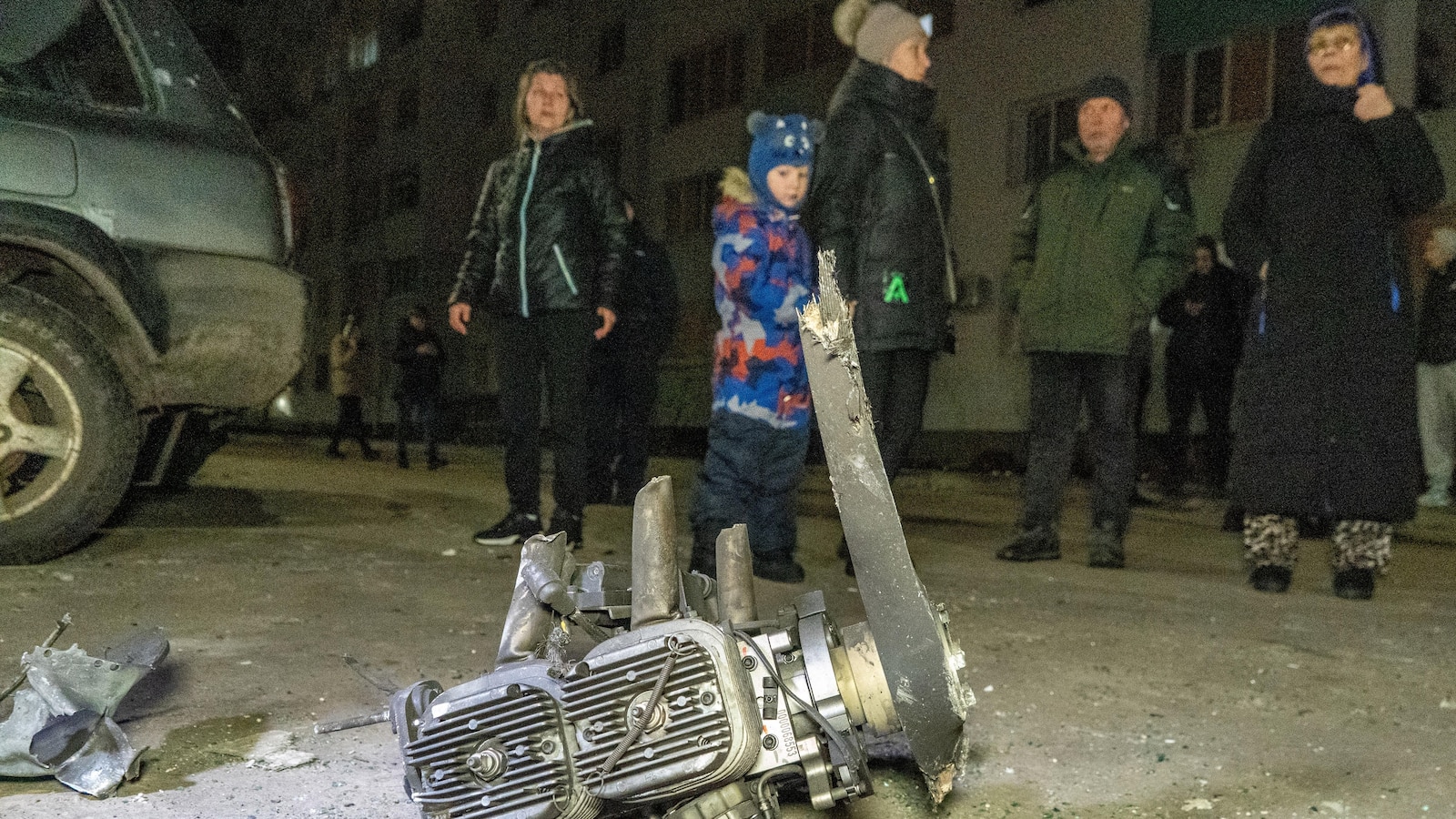
While military strategists debate territorial gains and losses, Ukrainian civilians continue to bear the brunt of Russia’s aggressive tactics. The reality on the ground is stark and heartbreaking: Russia has maintained an almost daily campaign of aerial attacks targeting civilian areas throughout Ukraine. In a particularly brutal attack this week, three powerful glide bombs struck the heart of Sloviansk, a city in eastern Ukraine’s Donetsk region. This assault killed four people and wounded at least sixteen others, including a 14-year-old girl whose injuries serve as a painful reminder that children remain among the most vulnerable victims of this conflict. Vadym Filashkin, who heads the Donetsk regional military administration, confirmed these casualties. The attacks didn’t stop there—overnight drone strikes hit three additional Ukrainian cities, wounding at least seventeen people, including two more children. These relentless attacks on population centers demonstrate that despite any diplomatic talks or international pressure, Russian forces continue to strike fear into the hearts of ordinary Ukrainian families just trying to survive. On a slightly more hopeful note, Ukraine’s air force reported successfully shooting down 122 out of 137 drones that Russia launched during one night alone, showing that Ukrainian air defenses are working overtime to protect their people, even if they can’t stop every attack.
Ukraine’s Counteroffensive Shows Resilience Despite Challenges
Despite facing a severe shortage of soldiers and fighting against a much larger military force, Ukrainian troops have recently achieved some notable successes that demonstrate their resilience and tactical capabilities. According to Major General Oleksandr Komarenko, Ukrainian forces have reclaimed nearly all the territory in the southeastern Dnipropetrovsk industrial region during a counteroffensive operation. In an interview with the local media outlet RBC-Ukraine published this week, Komarenko revealed that Ukrainian troops managed to drive Russian forces out of more than 400 square kilometers (roughly 150 square miles) of territory. This represents a significant achievement for a military that many analysts feared might be on the defensive. Komarenko acknowledged that the overall situation along the front line remains difficult but insisted it’s under control. He identified the areas around Pokrovsk in eastern Ukraine and Oleksandrivka in the south as seeing the heaviest fighting, noting that Russian forces have concentrated their main efforts in these regions. While there hasn’t been independent verification of his assessment of the military situation, the Institute for the Study of War—a respected Washington-based think tank—offered some corroboration. Their analysis from late Monday suggested that recent Ukrainian counterattacks “are generating tactical, operational and strategic effects that may disrupt Russia’s spring-summer 2026 offensive campaign plan.” This assessment suggests that Ukraine’s military actions aren’t just about reclaiming territory but are actually disrupting Russia’s longer-term strategic planning.
The Diplomatic Dance: Different Narratives for Different Audiences
On the diplomatic front, the narratives being spun by Moscow and Kyiv couldn’t be more different. A Kremlin aide revealed that Russian President Vladimir Putin told U.S. President Donald Trump in a late Monday conversation that Russian forces are “advancing rather successfully” in Ukraine. Yuri Ushakov, speaking to reporters, suggested that this supposed Russian progress should “encourage” Kyiv to “move toward a negotiated settlement of the conflict.” This framing presents Russia as negotiating from a position of strength. However, this narrative runs directly counter to the consistent position of Ukrainian President Volodymyr Zelenskyy, who has repeatedly demanded a lasting peace deal rather than a temporary cessation of hostilities. European governments have accused Putin of merely pretending to be interested in genuine talks while the Russian military continues its relentless assault on Ukraine. Meanwhile, U.S.-brokered negotiations between Russia and Ukraine have been put on hold as Washington’s attention has been consumed by the war involving Iran, which has captured the international spotlight and drawn focus away from Ukraine’s ongoing struggle to hold back Russia’s considerably larger army. This shift in global attention represents one of Ukraine’s greatest challenges—maintaining international support and engagement when other crises compete for the world’s limited attention span.
The Iran Conflict Creates New Calculations for All Parties
The war involving Iran has created a complex new dynamic that both Russia and Ukraine are trying to turn to their advantage, each hoping the Middle Eastern crisis will ultimately benefit their position. The Kremlin is banking on several potential windfalls from the Iran conflict. Russian strategists hope that the Middle Eastern war will drive oil prices higher, providing a financial boost to Russia’s sanctions-hit economy that depends heavily on energy exports. They’re also counting on the conflict to distract global attention from Ukraine, making it easier for Russia to continue its offensive without facing the full weight of international condemnation. Additionally, Moscow hopes that the Iran war will deplete Western military arsenals as weapons are diverted to the Middle East, and ultimately force the United States and its NATO allies to reduce the military support they’ve been providing to Ukraine. These aren’t unreasonable calculations—wars in multiple theaters do strain resources and diplomatic attention, potentially working in Russia’s favor.
Ukraine’s Strategic Gambit: Trading Technology for Support
However, President Zelenskyy has his own strategic plan for leveraging the Middle Eastern conflict to Ukraine’s benefit. His approach centers on Ukraine’s considerable expertise in drone technology, which has been refined and battle-tested through years of conflict with Russia. Zelenskyy is offering to supply this cutting-edge drone technology to the United States and its Gulf partners for use in the war in the Middle East. The Ukrainian president’s calculation is that by making Ukraine an indispensable technology partner in the Iran conflict, his country will gain increased international diplomatic leverage that can be used against Moscow. Beyond just diplomatic benefits, Zelenskyy is pursuing a reciprocal arrangement where Ukraine receives advanced American-made air defense missiles in exchange for its drone expertise. These sophisticated air defense systems are exactly what Ukraine desperately needs to counter Russia’s ongoing aerial assault on its cities and civilian infrastructure. This represents a clever strategic pivot—rather than simply pleading for continued Western support as attention drifts elsewhere, Ukraine is positioning itself as an active partner with valuable assets to contribute to Western security interests beyond its own borders. Whether this gambit will successfully maintain Ukraine’s place at the forefront of American and European strategic concerns remains to be seen, but it demonstrates the creative thinking required of a smaller nation fighting for survival against a larger aggressor while navigating the complex currents of international politics. As this war enters its fourth year with no clear end in sight, these kinds of strategic innovations may prove as important as battlefield victories in determining Ukraine’s ultimate fate.