


Russia’s Intelligence Support to Iran: A Growing Threat to American Forces
The Alarming Alliance Between Moscow and Tehran
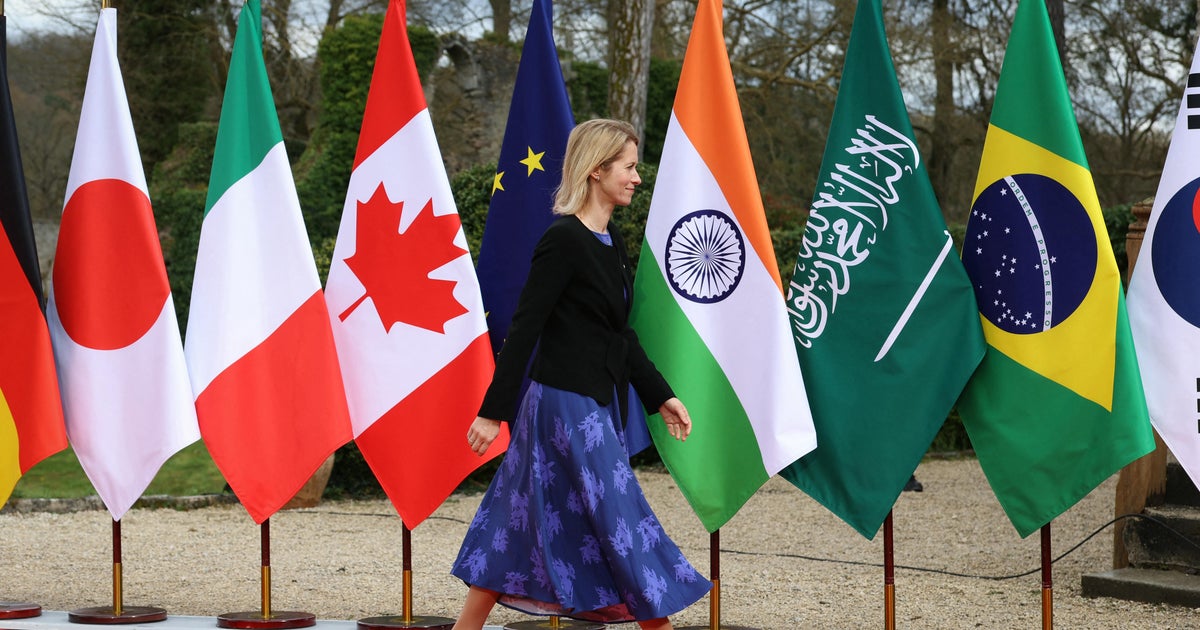
European Union foreign policy chief Kaja Kallas delivered a stark warning on Thursday that has sent shockwaves through Western security circles: Russia is actively providing intelligence assistance to Iran with the explicit purpose of targeting and killing American military personnel in the Middle East. Speaking at a G7 meeting held outside Paris, Kallas didn’t mince words about the deepening cooperation between Moscow and Tehran, describing a coordinated effort that extends beyond simple intelligence sharing to include drone technology transfers. According to Kallas, Russia is supplying Iran with both the information and the tools necessary to launch attacks against neighboring countries and U.S. military installations throughout the region. This revelation underscores a troubling reality that many security experts have long suspected but are now seeing confirmed through multiple intelligence channels: the conflicts in Ukraine and the Middle East are not separate wars but interconnected fronts in a larger geopolitical struggle.
The EU’s top diplomat made a compelling argument for why the United States should reconsider its approach to dealing with these intertwined threats. Kallas urged American leadership to recognize that the path to stability in the Middle East runs directly through Moscow, suggesting that increased pressure on Russia could be the key to stopping Iranian aggression against U.S. forces. Her logic is straightforward yet profound: if Iran’s capability to attack American positions depends partly on Russian support, then cutting off that support at its source could prove more effective than simply responding to Iranian attacks after they occur. This perspective represents a significant shift in how Western allies are thinking about global security, moving away from treating regional conflicts as isolated incidents and instead viewing them as parts of an interconnected web of authoritarian cooperation.
British Intelligence Confirms the “Hidden Hand of Putin”
Just hours before Kallas made her statement, British Defense Secretary John Healey added his voice to the chorus of concern, telling BBC News that he could clearly see the “hidden hand of Putin” operating behind Iran’s military activities. Drawing on assessments from British intelligence agencies, Healey described what he called an “axis of aggression” linking Russia and Iran in a partnership that goes far beyond diplomatic solidarity. The British defense chief revealed that Moscow’s assistance to Tehran began even before the current phase of Middle Eastern hostilities erupted in late February, with Russian personnel providing not only real-time intelligence but also training to Iranian forces. This advance preparation suggests a level of coordination and forward planning that indicates the relationship between these two nations is far more strategic and long-term than many Western observers had previously understood.
The British revelation adds credibility and detail to what had previously been treated as preliminary reports or suspicions. When intelligence comes from multiple allied sources—in this case, both EU and British channels—it becomes much harder to dismiss as speculation or political rhetoric. Healey’s comments paint a picture of systematic Russian involvement in Iranian military operations, suggesting that Moscow sees supporting attacks on American forces as serving its broader geopolitical interests. This strategy appears designed to stretch U.S. military resources across multiple theaters, complicate American decision-making, and potentially create divisions between the United States and its allies about how to respond to threats that span different regions.
American Intelligence and the Deadly Consequences
The warnings from European leaders aren’t based solely on their own intelligence gathering. Multiple sources, including a senior U.S. official with direct access to classified information, confirmed to CBS News that Russia had been providing intelligence to Iran about American military positions in the Middle East. This confirmation came just six days into the current conflict and took on tragic significance when it was revealed that six U.S. service members had been killed in an Iranian strike on an installation in Kuwait just days earlier. While there’s no direct public confirmation that Russian intelligence contributed to that specific attack, the timeline raises deeply troubling questions about whether American lives were lost due to information provided by Moscow.
The death of six American service members in Kuwait represents more than just a statistic—it’s a reminder of the real human cost of these geopolitical machinations. These were individuals serving their country in what they likely believed was a routine deployment, yet they found themselves targeted with a precision that may have been enhanced by intelligence provided by a nation that was once considered a peer power to the United States. For the families of those killed, the revelation that Russia may have played a role in their deaths adds another layer of tragedy to an already devastating loss. It also raises difficult questions for American military planners about how to protect forces deployed in regions where adversaries are sharing intelligence specifically designed to make them vulnerable to attack.
The Trump Administration’s Response and Approach
When asked about the reports of Russia sharing intelligence with Iran to target American forces, Defense Secretary Pete Hegseth offered a measured but somewhat cryptic response during an interview with 60 Minutes. Rather than confirming or denying the specific intelligence reports, Hegseth emphasized that President Trump was “well aware of who’s talking to who” and assured the public that “anything that shouldn’t be happening, whether it’s in public or back-channeled, is being confronted and confronted strongly.” This carefully worded statement appears designed to acknowledge the problem without revealing specific intelligence sources or methods, while also projecting strength and awareness to both allies and adversaries.
The Trump administration’s approach to this crisis reflects the delicate balancing act required in modern geopolitics. On one hand, the administration must demonstrate to the American public and to military personnel serving in harm’s way that it takes threats seriously and is actively working to counter them. On the other hand, publicly acknowledging all the details of Russian-Iranian cooperation could complicate diplomatic channels, reveal intelligence capabilities, or potentially escalate tensions in ways that might not serve American interests. Hegseth’s comments suggest that the administration is engaging with this threat through both public messaging and private diplomatic pressure, though the effectiveness of this approach remains to be seen. The reference to confronting problems “strongly” through both public and back-channel means suggests a multi-layered strategy that recognizes the complexity of dealing with adversaries who are themselves coordinating their actions across multiple domains.
The Broader Implications for Global Security
The intelligence sharing between Russia and Iran represents a fundamental shift in the global security landscape that extends far beyond the immediate threat to American forces. What we’re witnessing is the maturation of an alliance of convenience between authoritarian states that share a common interest in challenging American power and the Western-led international order. Russia, facing international isolation and economic sanctions due to its invasion of Ukraine, has increasingly turned to countries like Iran, North Korea, and China for diplomatic support, economic cooperation, and military collaboration. Iran, for its part, benefits from Russian military technology, intelligence capabilities, and diplomatic cover at international forums. This mutual dependence is creating a more cohesive bloc of anti-Western powers than has existed since the Cold War.
The interconnected nature of these conflicts—as Kallas emphasized—means that Western strategy must also become more integrated and comprehensive. It’s no longer sufficient to address Iranian aggression in the Middle East separately from Russian aggression in Europe or Chinese ambitions in the Indo-Pacific. These theaters are increasingly linked through intelligence sharing, arms transfers, economic cooperation, and coordinated diplomatic efforts among America’s adversaries. For NATO and its allies, this requires a fundamental rethinking of how military resources are allocated, how diplomatic pressure is applied, and how economic tools like sanctions are deployed. The challenge is particularly acute for the United States, which despite its substantial resources, cannot indefinitely maintain full-spectrum dominance across multiple regions simultaneously when facing coordinated opposition. The revelation of Russian intelligence support to Iran should serve as a wake-up call that the post-Cold War era of American uncontested primacy has definitively ended, replaced by a new era of great power competition where adversaries are learning to cooperate more effectively than in the past.