


Airport Chaos: TSA Staffing Crisis Leaves Travelers Stranded in Endless Security Lines
Unprecedented Scenes of Frustration at Houston Airport
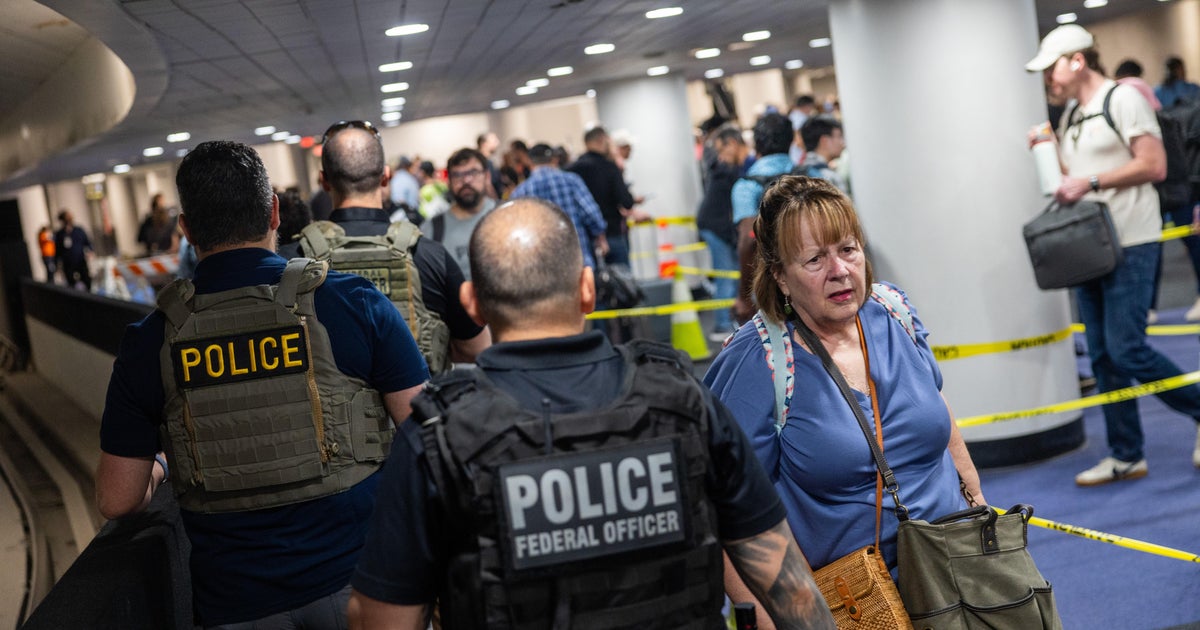
Travelers passing through George Bush Intercontinental Airport in Houston recently experienced what many described as the most chaotic airport conditions they’d ever witnessed. The scenes were striking: security lines that didn’t just wind through the typical roped-off areas, but snaked underground, stretched across multiple terminals, and even spilled outside the building. Passengers stood in disbelief, watching the queue grow longer by the minute. “This is insane,” one frustrated traveler remarked, while another expressed genuine shock, saying, “This is the first time I’ve experienced something like this in my entire life.” The extraordinary wait times affected everyone equally—even former U.S. Attorney General Bill Barr was spotted Wednesday morning standing in line, having already waited two hours with no clear end in sight. The cause of this massive disruption wasn’t a security threat or technical failure, but rather a severe staffing shortage at the Transportation Security Administration, with a staggering 36% of TSA officers at the airport calling out of work. The reason for these widespread absences was directly tied to a partial government shutdown that had left these essential workers without their paychecks, forcing them to make difficult choices about whether they could afford to continue working without pay.
The Government Deadlock Behind the Crisis
While passengers expressed frustration with the seemingly endless waits, many were quick to clarify where they believed the blame truly belonged. Rather than directing their anger at the TSA officers who did show up to work despite not being paid, travelers and industry leaders alike pointed fingers at the government officials whose political deadlock had created this situation. The core issue centered on funding for the Department of Homeland Security, the agency that oversees both TSA and Immigration and Customs Enforcement (ICE). Negotiations between lawmakers had stalled, leaving these agencies in financial limbo. On Tuesday, Senate Republicans attempted to break the impasse by sending a proposal to their Democratic colleagues that would fund most of the Department of Homeland Security—but with one significant exception: funding for ICE’s deportation division would be excluded. This partial approach, however, didn’t satisfy Democrats, who insisted that any funding agreement must include comprehensive reforms to how ICE conducts its immigration enforcement operations. Senate Minority Leader Chuck Schumer made the Democratic position clear when he stated at the Capitol, “We need strong, strong reforms, and we need to rein in ICE.” This political standoff meant that essential workers continued to go without pay, and the ripple effects were being felt by millions of American travelers passing through airports nationwide.
Emergency Measures and Industry Response
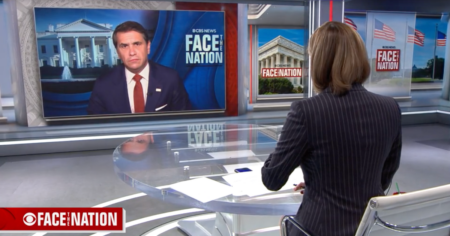
As the situation at airports deteriorated, the Trump administration scrambled to implement emergency measures to address the growing crisis. In an attempt to manage the overcrowded TSA checkpoints, ICE officers and other Department of Homeland Security agents were deployed to 14 major airports across the nation to help shuttle passengers through security lines more efficiently. However, this Band-Aid solution did little to address the underlying problem: that thousands of TSA workers were either calling out or working under extreme duress without compensation. The airline industry watched these developments with increasing alarm, understanding that the disruption to air travel could have serious economic consequences. United Airlines CEO Scott Kirby didn’t mince words when speaking to CBS News about the situation, expressing both frustration with political leaders and admiration for the TSA workers who continued to show up despite not receiving paychecks. “It’s unconscionable that our politicians haven’t gotten this done, and then we have security agents that are not being paid and they’re still showing up, and kudos to them for doing that,” Kirby said. He described the situation as progressively worsening: “It gets worse every day as it goes by. But the crazy thing about this is that … that’s what causes our politicians to get it done. Like, it’s just ridiculous to me, that it has to get bad before they can get a deal done.”
Urgent Plea for Political Resolution
Kirby’s comments reflected a broader frustration shared by business leaders and ordinary citizens alike—the sense that political dysfunction was inflicting real harm on people’s daily lives, and that lawmakers seemed unwilling or unable to act until a crisis reached catastrophic proportions. The airline executive made a direct and urgent appeal to members of Congress: “But please, get the deal done soon.” His plea carried weight not just because of his position in the industry, but because United Airlines and other carriers were on the front lines of dealing with angry, delayed passengers who had done nothing wrong but were caught in the crossfire of a political dispute. The situation highlighted a troubling pattern in American governance—the tendency for essential services to be used as bargaining chips in budget negotiations, with workers and the public bearing the consequences. For the TSA officers who continued to report to work despite missing paychecks, the situation posed genuine hardships, forcing them to choose between their sense of duty and their ability to pay rent, buy groceries, and meet other basic needs. For travelers, particularly those with tight connections or important commitments, the delays could mean missed flights, ruined business deals, or spoiled vacation plans.
Compounding Problems: Oil Prices and Flight Costs
As if the security line chaos wasn’t challenging enough for travelers, Kirby revealed that passengers would soon face another blow: significantly higher ticket prices. Long security waits weren’t the only frustration affecting air travelers—the economic fallout from tensions with Iran had caused oil prices to spike, creating a cascade of problems for airlines and passengers alike. The higher fuel costs were forcing United to make difficult operational decisions, including cutting approximately 5% of flights scheduled for the summer travel season. Even more painful for consumers was the news about ticket prices. “Airfares are up probably 15 to 20% in the last month,” Kirby explained, adding that even these substantial price increases didn’t fully offset the airlines’ higher operating costs due to expensive jet fuel. This meant travelers were facing a perfect storm of inconvenience: not only would they potentially wait hours in security lines if TSA staffing issues persisted, but they would also pay significantly more for their tickets and have fewer flight options to choose from. The convergence of these factors threatened to make air travel increasingly difficult and expensive for American families planning summer vacations or business travelers trying to conduct their work.
A System Under Strain and the Path Forward
Despite all these challenges, Kirby noted one silver lining: consumer demand for air travel remained remarkably strong. “Summer is still booking really well, and demand is the strongest it’s been ever,” he reported, suggesting that Americans were determined to travel regardless of the obstacles. This resilience in demand, however, also meant that airports and airlines couldn’t simply scale back operations to match reduced capacity—they had to find ways to serve all these passengers even while operating under constrained circumstances. The situation at George Bush Intercontinental Airport and other facilities across the country served as a vivid illustration of how political decisions in Washington have immediate, tangible effects on ordinary Americans going about their daily lives. The image of travelers—including a former Attorney General—standing for hours in security lines while hardworking TSA officers struggled without pay painted a picture of a system under severe strain. For a resolution to emerge, lawmakers would need to find common ground between competing priorities: Republicans’ desire to fund most homeland security operations, and Democrats’ insistence on immigration enforcement reforms. Until that compromise materialized, travelers would continue to face uncertainty and delays, TSA workers would continue working without knowing when their next paycheck would arrive, and the airline industry would continue managing the fallout from decisions made in the Capitol. The crisis underscored an important lesson about governance—that essential services and the workers who provide them should not be treated as expendable pawns in political negotiations, because when they are, everyone ultimately pays the price.