



The Minions Take the Ice: A Spanish Figure Skater’s Olympic Journey
A Last-Minute Victory Over Music Rights Drama
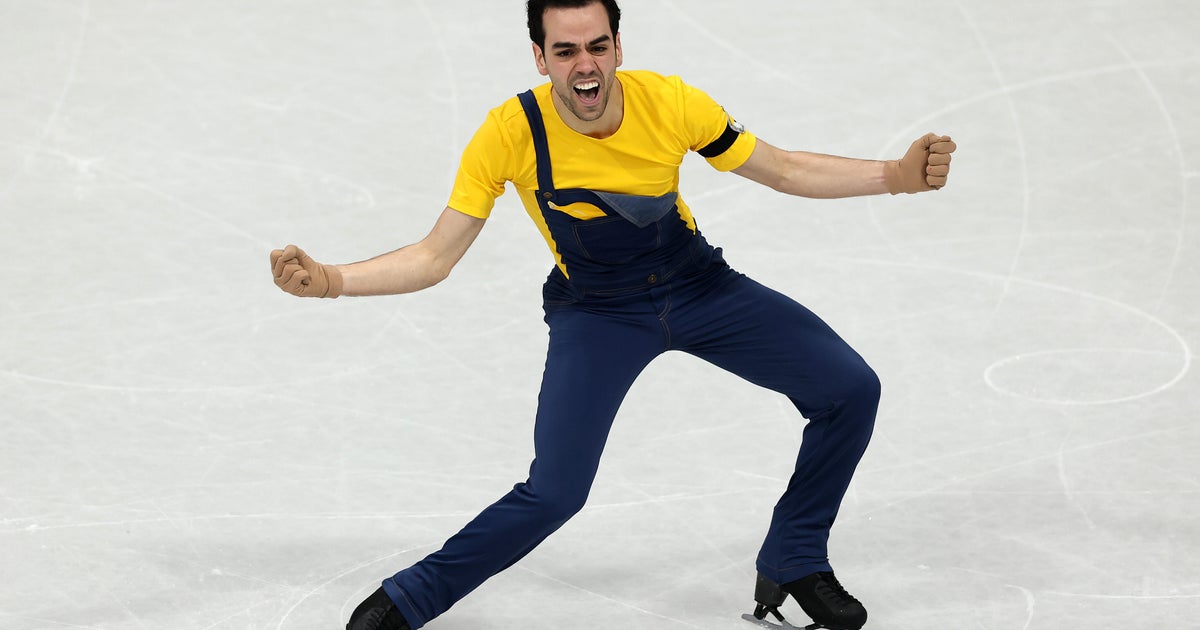
The 2026 Winter Olympics in Milan witnessed an unexpected hero in yellow and blue as Spanish figure skater Tomas-Llorenc Guarino Sabate brought the beloved Minions characters to the ice. What should have been a straightforward performance nearly didn’t happen at all, as a music rights dispute threatened to derail the 26-year-old athlete’s carefully planned routine just days before his Olympic debut. The drama unfolded when Sabate, who had been performing his Minions-themed program throughout the entire season believing he had proper approval, was suddenly informed that he couldn’t use the music. The situation seemed hopeless until an outpouring of social media support helped convince Universal Studios and even musician Pharrell Williams to grant the necessary rights. The final approval came through on Friday, just in time for Sabate to take the ice on Tuesday in his yellow-and-blue costume, skating to a soundtrack that opens with the distinctive, joyful laughter of the mischievous characters first introduced as the henchmen of Gru in the animated blockbuster “Despicable Me.”
Performance Under Pressure Despite the Odds
When Sabate finally stepped onto the ice at the Milano Ice Skating Arena, he carried with him not just the hopes of representing Spain, but also the support of fans from around the world who had rallied behind him during his music rights struggle. Despite acknowledging his nerves and making an early mistake during his performance, Sabate described the experience as “amazing.” The skater’s routine brought the playful, chaotic energy of the Minions to the Olympic stage, a bold artistic choice that resonated far beyond the traditional figure skating audience. Although he placed 25th out of 29 skaters in the men’s short program, falling just one spot short of qualifying for Friday’s free skate competition, Sabate remained deeply grateful for the overwhelming support he received. The result, while disappointing from a competitive standpoint, didn’t diminish the significance of what he had accomplished. For a skater who describes himself as “a little bit shy at the beginning,” the Minions program represented a powerful way to express himself and connect with audiences. The character and confidence he displayed on the ice stood in stark contrast to his admitted shyness, proving that the right artistic vehicle can help athletes transcend their natural inhibitions and truly shine.
The Power of Social Media and Fan Support
The days leading up to Sabate’s Olympic performance demonstrated the remarkable power of social media to mobilize support and effect real change. When the skater first revealed the music rights issue, he took to Instagram to warn his followers that they shouldn’t expect to see the Minions routine at the Olympics. “When I did my post I was certain I wouldn’t do the Minions,” he explained after his performance. “That’s why I did the post, as a way of warning the people, whoever expects the Minions at the Olympics, ‘I’m sorry but don’t, unfortunately it’s not gonna happen.’ I can’t expose myself to getting sued.” What happened next stunned the young athlete. Messages of support flooded in from across the globe, including from notable figures like former U.S. Olympic figure skater Adam Rippon, who posted a photo of himself wearing Minion socks in solidarity. Sabate shared dozens of these messages through Instagram stories, overwhelmed by the response. The support wasn’t just emotional—it appeared to have practical impact as well, potentially helping to persuade the rights holders at Universal Studios to grant permission. In the aftermath of his performance, Sabate has been dedicating significant time to responding to fan messages, a task he takes seriously. “I want to be the kind of person that replies to their fans,” he said. “They take the time to write to you and I want to take the time to answer.”
A Growing Problem in Modern Figure Skating
Sabate’s music rights struggle highlights a growing challenge in the world of competitive figure skating. The International Skating Union began allowing music with vocals in 2014, a change that opened up vast new creative possibilities for skaters. Since the 2018 Winter Olympics in Pyeongchang, more and more athletes have been choosing modern, popular songs for their routines rather than the classical music that traditionally dominated the sport. While this evolution has made figure skating more accessible and entertaining to broader audiences, it has also created a minefield of potential copyright and licensing issues. Sabate is far from alone in facing these challenges. At the same Milan Olympics, Petr Gumennik of Russia, competing as a neutral athlete, had to make a last-minute change to his short program music due to a rights issue. He was forced to drop the soundtrack from “Perfume: The Story of a Murderer,” a psychological thriller, and replace it with music from a Russian romantic epic. Even Amber Glenn, the U.S. champion, encountered copyright problems with a Canadian artist. These incidents raise important questions about the intersection of artistic expression, intellectual property rights, and athletic competition in the modern era of figure skating.
Unexpected Reach and Revelation
For Sabate, the music rights crisis became an unexpected moment of revelation about his impact as an athlete and performer. “I didn’t realize the reach my skating had even outside of the figure skating world, and it helped me realize how far I’ve come, how far my skating has brought me,” he reflected after his performance. The Minions program, with its accessible, family-friendly appeal, had evidently connected with audiences far beyond the typical figure skating fan base. This realization represents perhaps the most valuable outcome of his Olympic experience—understanding that his influence extends beyond competition results and into the cultural conversation. The rights to the Minions character belong to Universal Studios, which is part of NBCUniversal, a subsidiary of Comcast. Interestingly, NBC, which was broadcasting the Olympics, is also part of NBCUniversal, creating a complex web of corporate relationships surrounding the dispute. The fact that approval eventually came through suggests that the corporate entities recognized the value—both in terms of publicity and goodwill—of allowing Sabate to perform his routine. For the young skater, still processing everything that happened, the full significance of his Olympic experience hasn’t entirely sunk in yet. “I haven’t had really the time to take everything in and just appreciate everything,” he admitted.
Looking Forward Beyond Milan
As the Milan Olympics continue through the closing ceremony on February 22, followed by the Paralympics from March 6 to March 15, Sabate’s story stands as one of the Games’ most heartwarming narratives. While his competitive result may not have met his goals, his journey to the ice exemplifies the Olympic spirit in ways that transcend medals and placements. The outpouring of support he received, the determination he showed in fighting for his artistic vision, and the joy he brought to audiences worldwide all represent victories of a different kind. For a self-described shy person, Sabate found his voice through the unlikely medium of animated yellow characters known for their gibberish language and chaotic energy. The Minions gave him permission to be bold, to be playful, and to connect with people in ways that purely athletic achievement might not have allowed. Moving forward, Sabate plans to continue engaging with his expanded fan base, answering messages and maintaining the connections that proved so crucial during his time of need. His experience also serves as a cautionary tale for other skaters choosing modern, copyrighted music for their programs, highlighting the importance of securing proper permissions well in advance of major competitions. Yet it’s also a testament to the power of community, social media advocacy, and the willingness of corporations to occasionally prioritize human stories over strict legal rights. As Sabate continues his skating career beyond these Olympics, he does so with a clearer understanding of his impact, a larger platform, and the knowledge that sometimes the most meaningful victories happen off the podium.