



The Minions Take Milan: A Figure Skater’s Journey to Olympic Ice
A Last-Minute Battle for Creative Expression
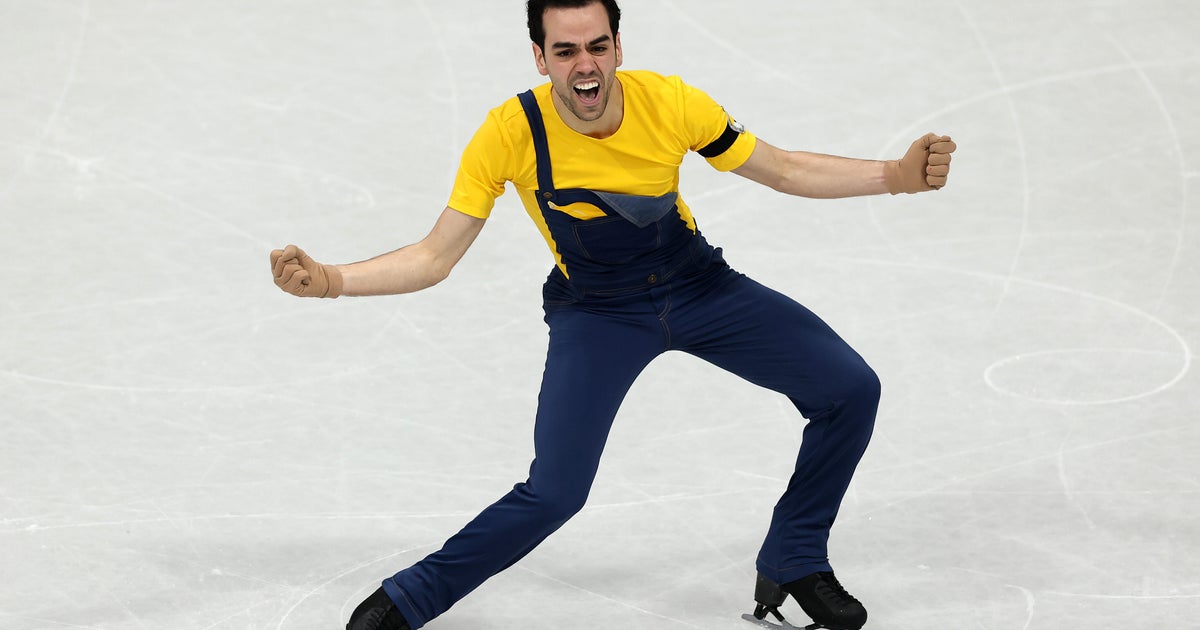
The 2026 Winter Olympics in Milan witnessed an unexpected drama unfold that had nothing to do with athletic competition but everything to do with artistic expression and music rights. Spanish figure skater Tomas-Llorenc Guarino Sabate found himself in a race against time when a music licensing dispute threatened to derail his beloved Minions-themed performance just days before the games. The 26-year-old athlete had planned his routine around the mischievous yellow characters from the “Despicable Me” franchise, complete with a vibrant yellow-and-blue costume that captured the playful spirit of Gru’s lovable henchmen. Despite having performed this crowd-pleasing program throughout the entire competitive season, Sabate suddenly discovered that he lacked the proper permissions to use the Minions-related music at the Olympic level. What followed was an outpouring of support from fans worldwide and a frantic effort to secure the necessary rights from Universal Studios and producer Pharrell Williams. The approval finally came through on Friday, just days before his Tuesday performance, allowing the Spanish skater to bring his vision to the Olympic ice.
Performance Under Pressure
When Sabate finally took to the ice at the Milano Ice Skating Arena on February 10, 2026, he did so with a mixture of relief and nerves. His routine began with the distinctive peals of laughter from the beloved children’s characters, immediately signaling to the audience that the Minions had indeed made it to the Olympics. Despite the emotional rollercoaster of the preceding week and an early mistake during his performance, Sabate described the experience as “amazing.” The skater’s joy was palpable even though the competition results weren’t what he might have hoped for—he placed 25th out of 29 competitors in the men’s short program, falling just one spot short of qualifying for Friday’s free skate competition. However, for Sabate, the performance represented something far more significant than placement or scores. It was a triumph of perseverance, a celebration of artistic expression, and a testament to the power of fan support in helping athletes overcome bureaucratic obstacles that threatened to stifle their creativity.
The Power of Social Media Support
The week leading up to Sabate’s performance demonstrated the extraordinary reach and influence of social media in modern athletics. When the Spanish skater revealed on social media that he had been told he couldn’t use the Minions music, he intended it as a warning to fans who were expecting to see his signature routine at the Olympics. “When I did my post I was certain I wouldn’t do the Minions,” he explained. “That’s why I did the post, as a way of warning the people, whoever expects the Minions at the Olympics, ‘I’m sorry but don’t, unfortunately it’s not gonna happen.’ I can’t expose myself to getting sued.” What Sabate didn’t anticipate was the overwhelming response from supporters around the globe. Messages of encouragement poured in from fans across continents, including from former U.S. Olympic figure skater Adam Rippon, who showed his solidarity by posting a photo of himself wearing Minion socks. The athlete shared dozens of these messages on his Instagram stories, visibly moved by the international support. This grassroots campaign appeared to help sway the decision-makers at Universal Studios, which owns the rights to the Minions characters and is part of NBCUniversal, a subsidiary of Comcast—the same parent company that owns NBC, the network broadcasting the Olympics.
A Shy Skater Finding His Voice
For Sabate, the Minions program represents more than just entertainment value or a crowd-pleasing performance—it’s a vehicle for self-expression that helps him overcome his natural reserve. “The Minions are a way to express myself even though I’m a little bit shy at the beginning,” he revealed, offering insight into how the playful characters have helped him connect with audiences despite his introverted tendencies. The controversy and subsequent support showed him just how far his skating had reached beyond traditional figure skating circles. “I didn’t realize the reach my skating had even outside of the figure skating world, and it helped me realize how far I’ve come, how far my skating has brought me,” Sabate reflected. The experience has been so overwhelming that he admitted he hasn’t had time to fully process everything that happened. “I haven’t had really the time to take everything in and just appreciate everything,” he said, suggesting that the true impact of this Olympic experience will only become clear once the games have concluded and he has time for reflection.
A Growing Problem in Figure Skating
Sabate’s predicament highlights a broader issue affecting figure skaters in the modern era of the sport. Since the International Skating Union began allowing music with vocals in 2014, athletes have increasingly gravitated toward contemporary songs for their routines, particularly following the 2018 Winter Olympics in Pyeongchang. While this creative freedom has allowed for more diverse and engaging performances, it has also created a minefield of potential copyright issues. Sabate wasn’t the only skater at the 2026 Milan Olympics to face last-minute music rights problems. Petr Gumennik of Russia, competing as a neutral athlete, was forced to completely change his short program music due to a similar rights issue, dropping his selection from “Perfume: The Story of a Murderer,” a psychological thriller soundtrack, and replacing it with music from a Russian romantic epic. Even U.S. champion Amber Glenn encountered copyright complications with a Canadian artist. These incidents reveal a tension between artistic expression and intellectual property rights in modern figure skating, where skaters must navigate complex licensing agreements while trying to create memorable and meaningful performances.
Looking Beyond the Competition
In the aftermath of his Olympic performance, Sabate has demonstrated a commitment to his fans that goes beyond typical athlete-supporter relationships. He’s been diligently responding to the flood of messages he’s received, determined to maintain a personal connection with those who supported him through the music rights crisis. “I want to be the kind of person that replies to their fans,” he explained. “They take the time to write to you and I want to take the time to answer.” This dedication to fan engagement speaks to a new generation of athletes who understand the importance of community and mutual support in sports. While his competitive journey at the 2026 Olympics may have ended with the short program, Sabate’s impact extends far beyond his placement. He brought joy to viewers worldwide, stood up for artistic expression in athletics, and showed how determination combined with public support can overcome seemingly insurmountable obstacles. As the Olympics continue through the closing ceremony on February 22, with the Paralympics scheduled from March 6 to March 15, Sabate’s Minions moment will likely be remembered as one of the heartwarming stories of these games—a reminder that sometimes the victories that matter most aren’t measured in medals but in the courage to be yourself and the connections we make along the way.