

Spencer Pratt’s Unexpected Political Journey: From Reality TV Villain to LA Mayoral Candidate
A Reality Star’s Surprising Political Pivot
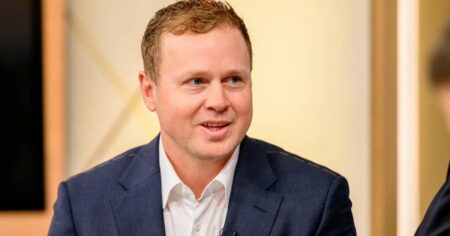
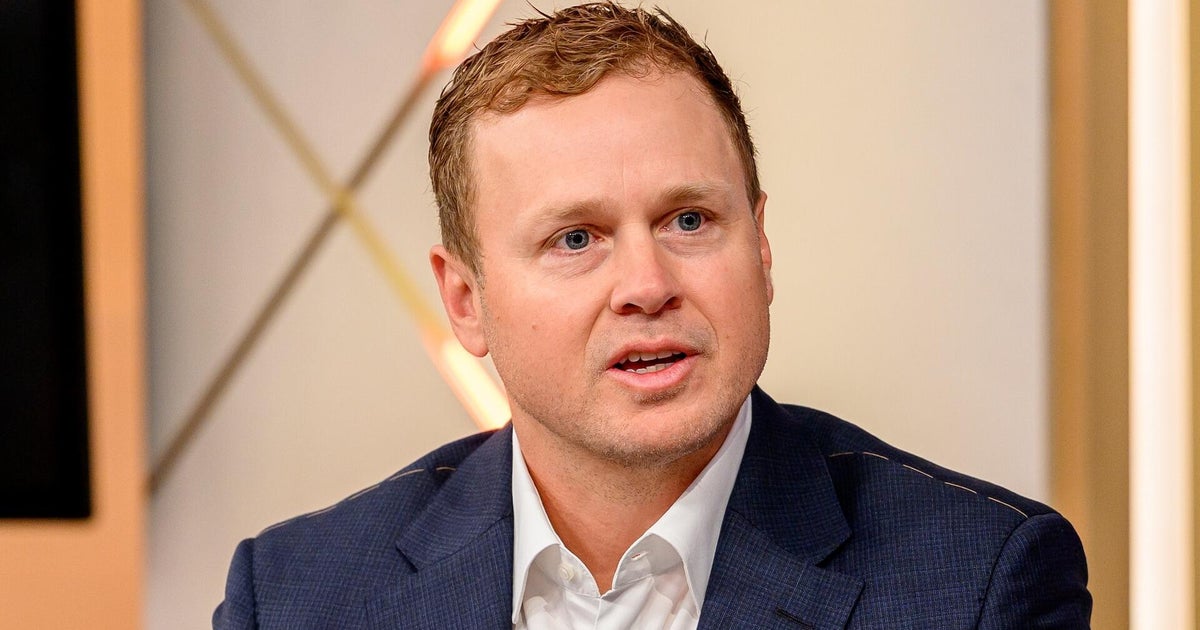
Spencer Pratt, the 42-year-old former reality television personality best known as the controversial figure on MTV’s “The Hills,” has made headlines once again—but this time, it’s not for manufactured drama or celebrity gossip. In a surprising turn of events, Pratt is now running for mayor of Los Angeles, currently polling in second place in the race to lead America’s second-largest city. In an exclusive interview with CBS News correspondent Adam Yamaguchi, Pratt opened up about his unconventional campaign, his vision for Los Angeles, and why he believes his lack of political experience might actually be his greatest asset. If successful, Pratt would become the first Republican mayor of Los Angeles since Richard Riordan, who completed two terms and left office in 2001. This potential shift represents a significant political change for a city that has been governed by Democrats for over two decades.
The Authenticity Advantage: Speaking from the Heart
When questioned about his complete absence of political experience, Pratt turned what many would consider a weakness into what he believes is his strongest selling point. He told Yamaguchi that his “common sense” approach and straightforward communication style are exactly what Los Angeles voters are hungry for in these challenging times. “I don’t do the politician talk, and I think it’s refreshing to people to hear somebody speak from the heart, be authentic,” Pratt explained. This strategy of positioning himself as the anti-politician appears to be resonating with voters who are tired of carefully scripted responses and political double-speak. Rather than attempting to present himself as a seasoned statesman, Pratt is leaning into his outsider status, suggesting that sometimes fresh perspectives and genuine passion can be more valuable than decades of political maneuvering. His campaign represents a growing trend in American politics where voters are increasingly drawn to candidates who present themselves as authentic, unfiltered voices rather than polished political professionals who have spent their entire careers climbing the governmental ladder.
The Wildfire Context: A Personal Stake in LA’s Future
Pratt’s candidacy isn’t simply a publicity stunt or an attempt to remain in the spotlight after his reality TV fame faded. He has a deeply personal connection to one of the most pressing issues facing Los Angeles: the devastating wildfires that destroyed neighborhoods and lives. Pratt himself was among the celebrities who lost their homes to the destructive Palisades Fire that ravaged parts of Los Angeles County. This tragedy has given him firsthand experience with what he views as the failures of current city leadership. When discussing the criticism directed at incumbent Mayor Karen Bass for her handling of the wildfire crisis, Pratt didn’t hold back, stating that “Mayor Bass has the worst record in LA history.” Standing amid the ruins of his burned-out neighborhood in an Airstream trailer, Pratt emphasized the authenticity of his motivation: “You can’t fake that.” This personal loss has transformed him from a distant observer of political issues into someone with skin in the game, lending credibility to his claims that he genuinely wants to improve the city rather than simply seeking another spotlight to stand in.
Strategic Comparisons and Policy Distinctions
Throughout the interview, Pratt made several interesting comparisons between himself and other political figures who have successfully leveraged unconventional backgrounds into electoral victories. When asked about similarities to New York City Mayor Zohran Mamdani, who recently upset former Governor Andrew Cuomo, Pratt acknowledged that both campaigns centered on promises of change, though their actual policy proposals differ dramatically. With a touch of his characteristic wit, Pratt noted: “The one thing I connect with is I know he promised his voters [buses] will be free, and I’m promising my voters the metro, Metro buses, the Metro trains, they will be free from urine, feces, stabbing, attacks. So that’s kind of similar. We both had free things for public transportation.” This comparison cleverly highlights what Pratt sees as the fundamental difference between his approach and that of more progressive candidates—while others promise expanded services, he’s focused on basic safety and quality of life issues that he believes current leadership has allowed to deteriorate. Pratt also drew a parallel to former President Barack Obama, pointing out that Obama was “a community organizer” with “no experience running the whole entire country” before his presidential bid, suggesting that passion, intelligence, and the ability to surround oneself with competent advisors can compensate for lack of traditional political credentials.
Challenging the Status Quo and Socialist Experiments
Pratt’s campaign message centers on the idea that Los Angeles has suffered under what he characterizes as a failed “socialist experiment” over the past six years. He argues that the city’s current leadership has implemented policies that sound compassionate but have ultimately made life worse for ordinary Angelenos. According to Pratt, his message is “resonating on social media” because “it’s the truth. It’s authentic. It’s from my heart.” He insists that he “didn’t want to be a politician” but felt compelled to run because he’s literally “standing in what happened because of failed politicians.” This framing positions him as a reluctant candidate who was pushed into the political arena by circumstances and a sense of duty rather than personal ambition or career advancement. A recent UCLA poll showing that 40% of voters remain undecided particularly encourages Pratt, who interprets this data as evidence that Los Angeles residents are ready for change and dissatisfied with Mayor Bass’s leadership. Interestingly, Pratt told Yamaguchi that he doesn’t place too much stock in traditional polling numbers because he doesn’t believe his supporters are the type of people who answer calls from pollsters, suggesting his base of support might be even stronger than current data indicates.
The Path Forward: Humility, Common Sense, and Community Support
As the election approaches, Pratt emphasizes that his greatest strength isn’t claiming to have all the answers but rather having the “humility to know ‘I don’t know everything.'” Instead, he’s building a campaign around assembling talented, successful people who share his vision for Los Angeles. “What I do know is all these very smart, successful people in Los Angeles want to get around me, get behind me, and make sure that LA is the number-one city in the world,” Pratt explained. This approach reflects a management philosophy focused on identifying the right people and empowering them rather than micromanaging or pretending to be an expert in every area of city governance. The Los Angeles mayoral election is scheduled for June 2, and if no candidate receives a majority of the vote, the two leading candidates will advance to a runoff on November 3. Pratt recently participated in what was described as a heated debate alongside Mayor Bass and Los Angeles City Councilmember Nithya Raman, giving voters a chance to see how the former reality TV villain handles himself in a more serious political context. Whether voters will embrace this unconventional candidate remains to be seen, but one thing is certain: Spencer Pratt’s journey from manufactured reality TV drama to genuine political aspirations represents one of the more unexpected political stories in recent memory, and his campaign has already succeeded in forcing important conversations about leadership, authenticity, and the future direction of America’s second-largest city.