

State Department Overhauls Foreign Service Exam to Align with “America First” Priorities
A New Direction for American Diplomacy
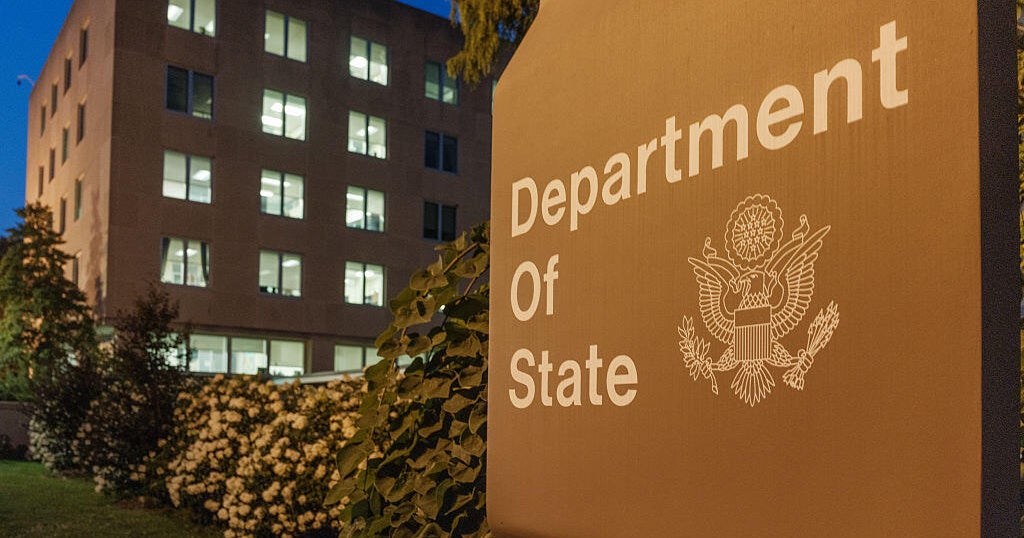
The U.S. State Department made headlines this week with its announcement of significant changes to how America selects and trains its diplomatic corps. In a move that reflects the current administration’s priorities, the Foreign Service Officer Test is being redesigned to emphasize what officials call “merit-based selection” while stepping away from diversity, equity, and inclusion criteria that had been incorporated under previous leadership. Deputy spokesperson Tommy Pigott framed the changes as a necessary modernization effort, explaining that the Trump administration aims to prepare American diplomats to effectively represent national interests on what he described as “a dynamically changing world stage.” The revisions extend beyond just the initial testing process—they encompass a comprehensive reimagining of how future diplomats are evaluated, selected, and trained. This represents one of the most substantial shifts in Foreign Service recruitment in recent years, touching everything from the questions candidates face on exams to the content they’ll study once accepted into the diplomatic service.
Out with the Old Testing Methods, In with Traditional Assessment
One of the most concrete changes involves replacing the Qualification Evaluation Panel—a body that previously spent weeks carefully reviewing and ranking candidate files—with a straightforward written examination. The State Department justified this shift by emphasizing that “the ability to think critically and write clear prose continues to be an essential skill for Foreign Service Officers.” This change significantly streamlines what had become a lengthy evaluation process. Additionally, the exam itself has been scrubbed of questions designed to assess candidates’ alignment with diversity, equity, and inclusion principles. The Department has also eliminated personal narrative essay requirements and discontinued the situational judgment section that had been part of the testing battery. These modifications represent a philosophical shift in what qualities the government believes are most important in its diplomatic representatives. Rather than assessing how candidates might navigate complex interpersonal situations or demonstrate commitment to inclusive practices, the new exam focuses more exclusively on traditional academic and analytical skills that can be measured through written testing.
A Return to Foundational American Diplomatic Thought
Perhaps the most ideologically significant changes come in the redesigned onboarding program for newly commissioned Foreign Service Officers, known in diplomatic circles as A-100. This training program, which all new diplomats must complete, will now center heavily on what the Department calls “diplomatic history and America First foreign policy.” The curriculum will feature a carefully curated selection of historical texts and thinkers, beginning with early American presidents. Incoming diplomats will study the foreign policy writings and speeches of George Washington, John Quincy Adams, and James Monroe—founding-era leaders who generally advocated for limited American entanglement in foreign affairs. The reading list extends to selections from the Federalist Papers, those foundational documents that shaped American constitutional thinking. Moving into more modern territory, the curriculum includes works from George Kennan, the Cold War-era diplomat whose “containment” strategy shaped decades of American policy toward the Soviet Union. Also featured are Samuel Huntington, known for his controversial “Clash of Civilizations” thesis about cultural conflict in the post-Cold War world, and Angelo Codevilla, an intellectual architect of “America First” foreign policy thinking. This curriculum represents a distinct departure from recent approaches and signals an intention to ground American diplomacy in what the administration views as traditional, nationally-focused principles.
Practical Skills Replace Team-Building Exercises
The revised A-100 program isn’t just about reading assignments and political philosophy—it also reflects changed priorities in practical training. The new format emphasizes what the Department describes as “substantive content on policy and tradecraft,” including dedicated lectures on international relations theory covering topics like economic strategy, commercial diplomacy, and grand strategy. Incoming Foreign Service Officers will receive training in practical skills such as public speaking, negotiation tactics, and leadership development. What’s being removed from the program may be just as telling as what’s being added. Gone are what the Department characterized as resilience exercises, including one particularly notable “90-minute activity that required participants to throw objects into a bucket while blindfolded.” While such exercises were presumably designed to build team cohesion and test adaptability under unusual circumstances, they’ve been deemed expendable under the new approach. The shift reflects a view that diplomatic training should focus more directly on the intellectual and communicative skills that officers will use in their work, rather than on team-building activities or exercises designed to develop general resilience. The administration clearly believes that time is better spent on lectures about grand strategy and negotiation practice than on what it apparently views as therapeutic or recreational activities.
The Broader Context: Reversing DEI Initiatives
These changes to Foreign Service recruitment and training don’t exist in isolation—they’re part of a broader pattern of policy shifts since President Trump’s second inauguration. The administration has issued a series of executive orders specifically targeting and eliminating DEI (diversity, equity, and inclusion) initiatives across federal agencies. One 2025 directive explicitly tasked Secretary of State Marco Rubio with maintaining what it called “an exceptional workforce of patriots” capable of effectively implementing the administration’s foreign policy goals. The State Department had actually begun telegraphing these changes as early as last fall, when it announced plans to revamp the foreign service exam and phase out DEI-related components. The philosophical distance between administrations on this issue is striking. Former Secretary of State Antony Blinken, who served under President Biden, had been a strong advocate for DEI programs within the State Department. In 2021, he appointed a chief DEI officer and spoke eloquently about the importance of such initiatives: “The State Department has the honor of representing the American people to the world. To do that well, we must recruit and retain a workforce that truly reflects America. Diversity and inclusion make us stronger, smarter, more creative, and more innovative.” The current administration clearly disagrees with this assessment, viewing such programs as distractions from merit-based selection rather than enhancements to it.
What This Means for America’s Diplomatic Future
The State Department’s announcement represents more than administrative tinkering—it reflects fundamentally different visions of what American diplomacy should be and who should conduct it. Supporters of the changes will likely argue that removing DEI considerations allows for truly merit-based selection, that grounding diplomats in foundational American thinking about foreign policy provides important historical context, and that focusing training on practical skills like negotiation and public speaking better prepares officers for their actual work. Critics, however, may contend that eliminating questions about diversity and inclusion could result in a less representative diplomatic corps, that the curated reading list promotes a particular ideological perspective rather than encouraging diverse foreign policy thinking, and that some of the eliminated components—like situational judgment tests—actually assessed important diplomatic skills. As the State Department encourages “patriotic Americans from across the country” to apply to the Foreign Service under these new guidelines, it remains to be seen how these changes will affect both the quantity and diversity of applicants, and ultimately, how American diplomacy will be practiced in the years ahead. What’s certain is that the newest generation of American diplomats will be shaped by a training program that looks dramatically different from what existed just a few years ago, grounded in what the administration views as traditional American principles and focused on advancing an “America First” approach to international relations.