
Oksana Masters Claims 11th Paralympic Gold in Stunning Display of Determination
A Victory Four Years in the Making
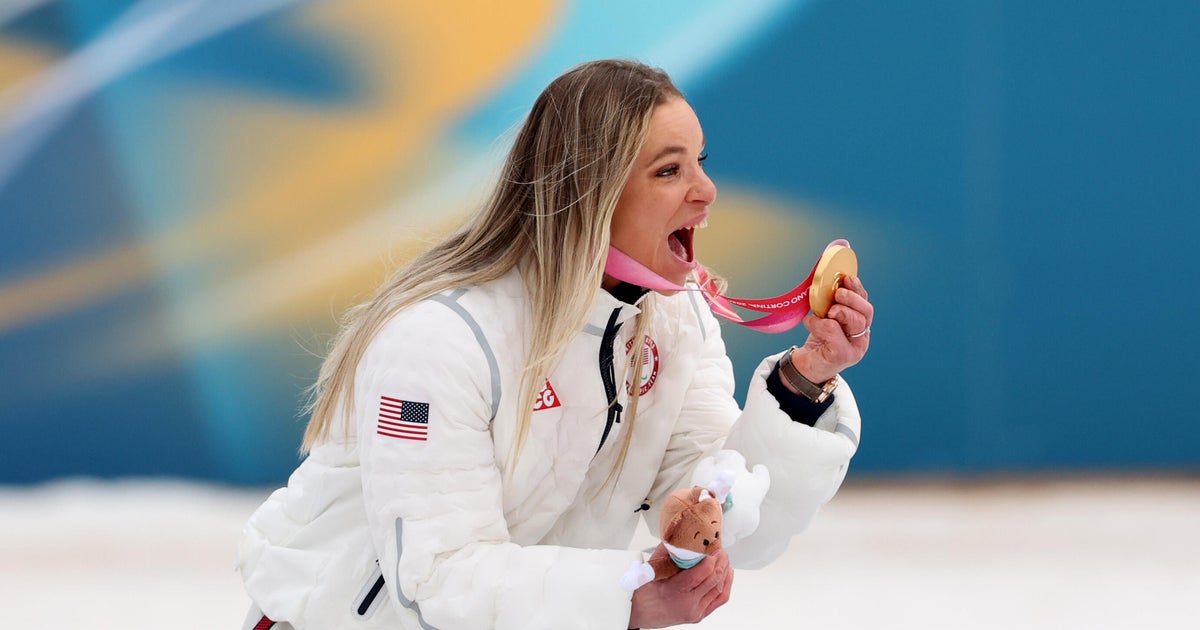
The roar of triumph that echoed through the Italian mountains said everything. Oksana Masters, America’s most decorated Winter Paralympian, let out repeated screams of pure joy after crossing the finish line first in the women’s sprint sitting discipline in Para cross-country skiing at the Milan Cortina Paralympics. This wasn’t just another gold medal for the 36-year-old athlete—this was redemption. Four years ago in Beijing, Masters had finished second in this same event, a result that had haunted her ever since. The sprint had become “the one that got away,” a phrase she used to describe the unfinished business that drove her forward through every training session, every setback, and every moment of doubt.
Masters’ relationship with sprint events is complicated, to say the least. “I love sprints and I hate sprints because there’s so much stress,” she candidly admitted after her victory. The sprint discipline demands everything from an athlete in a condensed period—explosive power, tactical brilliance, mental fortitude, and the ability to make split-second decisions that can mean the difference between gold and silver. For someone who admits to struggling with self-belief, the pressure of sprint racing can feel overwhelming. Yet it’s precisely this challenge that makes her victory so meaningful. Masters didn’t just win a race; she conquered her own doubts and proved to herself what her team had believed all along—that she had what it takes to stand atop the podium.
The Comeback That Defined a Champion
What makes this gold medal even more extraordinary is the journey Masters took to reach this moment. The path to Milan Cortina was anything but smooth. Masters had endured what she describes as a difficult season, one that would have broken lesser athletes. She underwent surgery, battled a bone infection that threatened to derail her training, and suffered a concussion—any one of these setbacks could have ended her Paralympic dreams. Instead, Masters showed the resilience that has defined her entire life, fighting through each obstacle with determination that seems almost superhuman.
The race itself was a masterclass in tactical racing and mental strength. At the start of the final climb, Masters found herself 40 meters behind leader Yunji Kim—a substantial gap that would have caused many competitors to concede defeat. But Masters isn’t like most competitors. Despite admitting “I hate chasing. I would rather be chased,” she acknowledged her own strength in pursuit, explaining that she excels at “reeling people in, one by one, staying smooth and relaxed.” And that’s exactly what she did. As the incline steepened, Masters powered up the ascent, her technique flawless, her determination unshakeable. By the time they crested the summit, she had overtaken Kim, transforming what seemed like certain defeat into glorious victory.
A Legacy Beyond Compare
This latest triumph was actually Masters’ second gold medal at the Milan Cortina Paralympics. Just days earlier, she had claimed victory in the women’s sprint sitting discipline in Para biathlon, setting the stage for her cross-country skiing success. These two golds brought her total to an astounding 11 Paralympic gold medals—seven from Winter Games and four from Summer Games. This dual-season dominance is virtually unheard of in Paralympic sport, highlighting Masters’ exceptional versatility and athletic prowess.
Masters’ Paralympic journey began in 2012, and she hasn’t missed a Games since. Her medal collection now stands at an impressive 21—16 from Winter Paralympics and five from Summer Paralympics. She has competed in Para cross-country skiing, Para biathlon, Para cycling, and Para rowing, excelling in each discipline she’s touched. This ability to master multiple sports across both seasons speaks to her natural athleticism, work ethic, and mental toughness. Each medal represents countless hours of training, sacrifice, and dedication, but together they tell the story of one of the greatest Paralympic athletes of all time.
From Darkness to Light
Understanding the magnitude of Masters’ achievements requires knowing where she came from. Born in Ukraine with birth defects believed to be related to the Chernobyl nuclear disaster, Masters’ early life was marked by hardship that most of us cannot imagine. She spent her youngest years in Ukrainian orphanages, experiencing conditions and circumstances that would have lasting impacts on her life. At age seven, her life changed forever when Gay Masters, a professor at the University of Louisville, adopted her and brought her to the United States. Gay raised Oksana as a single parent, providing the love, stability, and support that had been missing from her early childhood.
The medical challenges didn’t end with adoption. Masters underwent amputation of her left leg at age nine, and her right leg was amputated when she was 14 years old. These procedures, while medically necessary, presented enormous physical and emotional challenges for a young girl trying to find her place in the world. Yet somehow, from these difficulties, a champion emerged. Masters channeled her experiences into athletic pursuits, discovering that sport gave her a sense of purpose, identity, and accomplishment. What could have been a story of limitation became one of unlimited potential.
Recognition and Impact
Masters’ achievements haven’t gone unnoticed by the broader sporting world. In 2020, she received the Laureus World Sportsperson of the Year with a Disability award, one of the most prestigious honors in all of sports. Perhaps even more significantly, she became the first Para athlete to earn a nomination in the best athlete category for women’s sports at the ESPYs—not in a separate Paralympic category, but competing directly against Olympic and professional athletes. This recognition represents an important step forward in how society views Paralympic athletes, acknowledging that excellence in sport transcends the categories we create.
After securing her 11th gold medal in Italy, Masters summed up her feelings perfectly: “I feel absolutely on top of the world right now, just in complete shock, and so, so happy.” These words, simple but heartfelt, capture the essence of what drives elite athletes—the pursuit of moments when preparation meets opportunity, when doubt gives way to belief, and when years of sacrifice culminate in seconds of pure triumph. For Oksana Masters, this wasn’t just about winning another medal; it was about proving something to herself, honoring her team’s faith in her, and demonstrating that redemption is always possible for those willing to chase it. As she continues to compete and inspire, Masters stands as living proof that our circumstances don’t define our potential—our response to them does.