
A Battle for the Soul of Texas Democrats: Music, Medicine, and Moderate Money
The Unlikely Congressional Candidate Gets Major Financial Backing
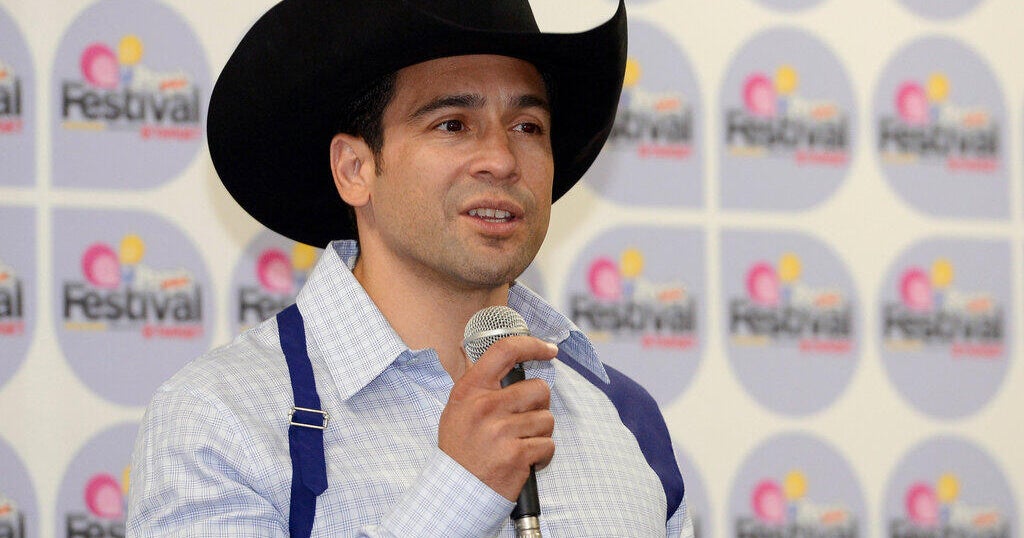
In the heart of South Texas, an unusual political contest is unfolding that could signal the future direction of the Democratic Party nationwide. Bobby Pulido, a celebrated Tejano musician with a devoted following across Latin America and the southwestern United States, has decided to trade his microphone for a campaign podium, running as a Democrat in Texas’s newly redrawn 15th congressional district. What makes this race particularly noteworthy isn’t just the celebrity candidate—it’s the nearly $1 million in outside spending that has flooded into the primary race from Blue Dog Action, a moderate political organization that represents the centrist wing of the Democratic Party. This substantial financial intervention has transformed what might have been a quiet local primary into a closely watched test case for how Democrats should position themselves in conservative-leaning districts where the party has struggled in recent election cycles.
The timing and scale of this outside spending have raised eyebrows and sparked controversy, particularly from Pulido’s primary opponent, Dr. Ada Cuellar, an emergency room physician who has largely financed her own campaign with approximately $1 million from her personal funds. The March 3rd primary has become more than just a contest between two individuals—it represents a fundamental debate within the Democratic Party about electability, authenticity, and whether moderate or progressive candidates offer the best path forward in challenging political terrain. The Blue Dog-linked group, BDA PAC, has poured over $997,000 into independent advertising, mail campaigns, and production efforts supporting Pulido’s candidacy, according to federal campaign finance records filed over the past two weeks. Phil Gardner, a senior advisor with the Blue Dog organization, defended this investment by pointing to Cuellar’s self-funding approach and declaring that “Bobby’s the Democrat who can win in November, and we couldn’t let that go unanswered.”
The Ideological Battle Within the Democratic Party
This South Texas primary has quietly emerged as a microcosm of the larger identity crisis facing Democrats as they navigate life out of power in Washington. With Republicans controlling the presidency and both chambers of Congress, Democrats are desperately searching for a formula that will help them recapture the House majority in the upcoming midterm elections. The strategic challenge is particularly acute in districts like Texas’s 15th, where voters have drifted away from Democratic candidates during and after the Trump era, despite the area’s significant Latino population and historical Democratic leanings. The fundamental question dividing party strategists is whether to embrace more progressive policies and candidates who energize the base, or to field moderate candidates who might appeal to swing voters and those who have recently abandoned the party.
Dr. Ada Cuellar has positioned herself as the progressive alternative in this race, criticizing what she characterizes as establishment interference in the democratic process. In social media posts, she has directly challenged the outside spending, stating that “establishment money is trying to swing this election,” suggesting that wealthy donors and Washington insiders are attempting to dictate local political outcomes rather than allowing grassroots voters to make their own choices. Her campaign has worked to frame the narrative as “the real Democrat” versus a candidate being manufactured by outside interests more concerned with electability calculations than genuine progressive values. This argument resonates with a vocal segment of the Democratic base that has grown increasingly frustrated with what they perceive as the party’s drift toward the center and its willingness to compromise core principles in pursuit of electoral success.
The Blue Dog Coalition’s involvement in this race is particularly significant given the organization’s history and philosophical orientation. According to the group’s online materials, BDA PAC traces its ideological roots back to the Blue Dog Coalition founded in the mid-1990s by Democrats who believed “their party and their country were being ‘choked blue’ by political extremes.” This explicitly centrist positioning reflects a belief that the Democratic Party’s best electoral strategy involves distancing itself from both far-left progressive activism and right-wing conservatism, instead occupying a moderate middle ground that can appeal to independent voters and disaffected Republicans. By investing so heavily in Pulido’s candidacy, the Blue Dog organization is making a clear statement that they believe moderate Democrats offer the best chance of competing in conservative-leaning districts, even if it means intervening forcefully in primary contests to ensure their preferred candidates emerge victorious.
Campaign Finances and Outside Support
The financial dynamics of this primary race reveal the complex ecosystem of modern political campaigns. Campaign finance records show that as of February 11th, Pulido’s campaign had raised just over $894,000 from individual donors, supplemented by approximately $150,000 from the candidate’s own funds, while spending around $761,000 on campaign operations at that point. In the final days before the primary, thousands of additional dollars have continued flowing into his campaign coffers. When combined with the nearly $1 million in independent expenditures from Blue Dog Action, Pulido has enjoyed a significant financial advantage in terms of total resources deployed on his behalf, even though Dr. Cuellar has matched or exceeded his direct fundraising through her personal wealth.
Interestingly, Blue Dog Action hasn’t been the only outside organization supporting Pulido’s candidacy. The Latino Victory Fund, which describes its mission as electing “Latino leaders who support progressive policies at all levels of government,” has also directed resources toward helping Pulido in recent weeks. This creates a somewhat paradoxical situation where both moderate and ostensibly progressive organizations are backing the same candidate, suggesting that Pulido may have successfully positioned himself as acceptable to multiple factions within the Democratic coalition. Alternatively, it might indicate that both groups have made pragmatic calculations that Pulido’s celebrity status and crossover appeal give him the best chance of winning in November, regardless of where he falls on the ideological spectrum.
The General Election Challenge Ahead
Whoever emerges victorious from the Democratic primary will face a formidable challenge in the general election. Republican Representative Monica De La Cruz is running for re-election in the newly redrawn Texas 15th congressional district, and as of mid-February, she held a substantial financial advantage over her potential Democratic challengers. The district, which stretches northward from the U.S.-Mexico border through communities that have historically leaned Democratic but have shown increasing Republican sympathies in recent election cycles, presents difficult terrain for any Democratic candidate. According to CBS News analysis of 2024 presidential election results, the district is approximately 41% Democratic, making it competitive but certainly not a safe Democratic seat.
This political reality explains why organizations like Blue Dog Action have determined that candidate selection in the primary could determine whether Democrats have any realistic chance of flipping or defending the seat. The underlying assumption driving their investment is that a candidate like Pulido—a well-known cultural figure with name recognition extending far beyond typical political circles—might be able to appeal to voters who have soured on national Democratic messaging but could still be persuaded to support an individual candidate they know and respect from his music career. During a podcast appearance with The Bulwark earlier this year, Pulido himself articulated this strategy, noting that “the people down here really, really vote for the person more than the party.” This candidate-centric approach reflects an understanding that in politically shifting regions, personal connection and local credibility may matter more than partisan affiliation or adherence to national party platforms.
What This Race Means for Democratic Strategy Nationwide
The outcome of this South Texas primary will send ripples far beyond the district’s boundaries, providing important signals about which Democratic strategies might succeed in the challenging political environment of the 2026 midterms and beyond. If Pulido wins the primary and goes on to perform strongly in the general election—or better yet, defeats Representative De La Cruz—it would validate the moderate, candidate-focused approach favored by groups like Blue Dog Action. Such a result would likely encourage similar investments in celebrity or locally prominent candidates who can transcend partisan divisions, even if they don’t align perfectly with progressive policy preferences. Democratic strategists would likely interpret a Pulido victory as evidence that the path back to a House majority runs through exactly these kinds of conservative-leaning, culturally distinct districts where national Democratic branding has become toxic but individual candidates can still connect with voters.
Conversely, if Dr. Cuellar wins the primary despite being significantly outspent by outside groups, it would represent a significant rebuke to establishment intervention and suggest that Democratic primary voters—even in moderate districts—are hungry for authentic progressive voices rather than candidates selected by Washington insiders based on electability calculations. A Cuellar victory would energize the progressive wing of the party and potentially discourage similar outside spending in future primaries, as donors and organizations might conclude that heavy-handed interference backfires by generating resentment among grassroots voters. Regardless of the outcome, this race has already demonstrated the fundamental tensions within the Democratic coalition as the party struggles to define itself in an era of political polarization and rapidly shifting voter allegiances, particularly among the Latino communities that both parties are aggressively courting. As Democrats search for a winning formula that can work across diverse districts with different political cultures, the Bobby Pulido versus Ada Cuellar contest offers an important real-world test of competing theories about electability, authenticity, and the future direction of progressive politics in America.