


Tesla’s Robotaxi Service Faces Safety Concerns After Multiple Crashes in Austin
Growing Pains for Tesla’s Self-Driving Taxi Program
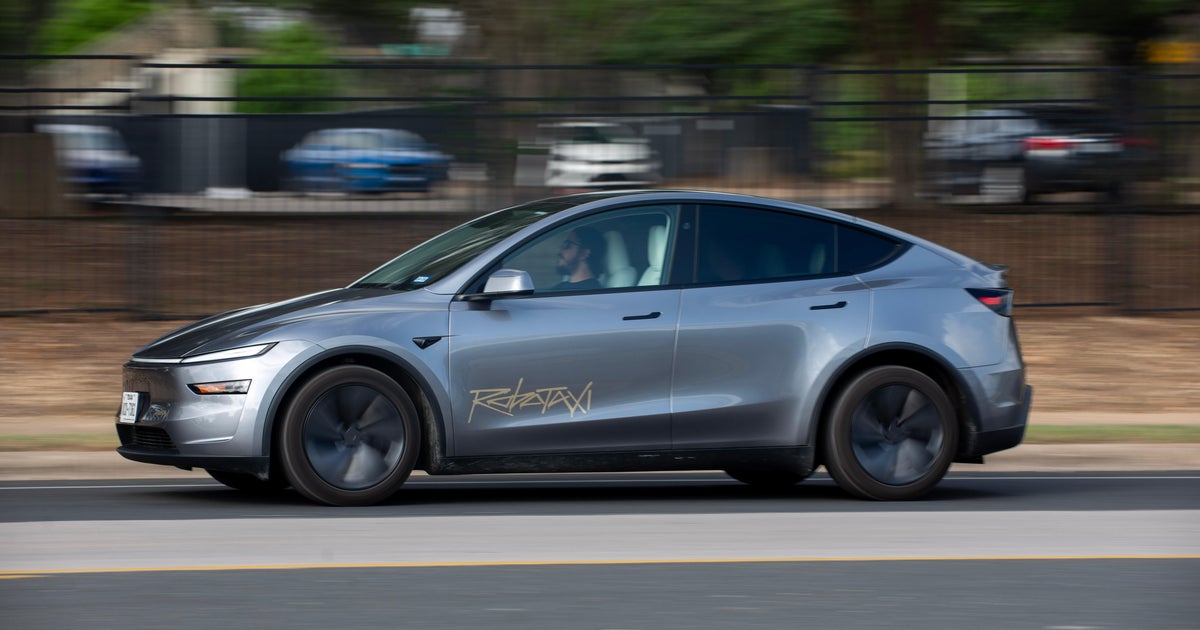
Tesla’s ambitious venture into autonomous ride-hailing has hit some bumps in the road—quite literally. Since launching its robotaxi service in Austin, Texas, last summer, the electric vehicle manufacturer has reported 14 crashes involving its self-driving taxis to federal safety regulators. While this might sound alarming at first glance, it’s important to understand the context of these incidents and what they mean for the future of autonomous transportation. The crashes occurred between the service’s June 2025 launch and January of this year, with five of the most recent incidents happening during December and January alone. According to data released by the National Highway Traffic Safety Administration (NHTSA), the majority of these crashes resulted in property damage when the robotaxis collided with either other vehicles or fixed objects like poles or barriers. Fortunately, most incidents didn’t result in injuries, though two crashes that occurred in July and October of last year did cause minor injuries to passengers or bystanders. This safety record is now under scrutiny as regulators and the public evaluate whether autonomous vehicles are ready for widespread deployment on America’s streets.
Federal Oversight and Safety Concerns
The federal government takes autonomous vehicle safety seriously, which is why companies like Tesla are required to report crash data to NHTSA whenever their self-driving systems are involved in incidents. This regulatory framework exists to protect consumers and ensure that new technology doesn’t compromise road safety. NHTSA operates under the Department of Transportation and has the authority to investigate these incidents thoroughly. If the agency discovers a safety defect in Tesla’s autonomous driving system, it has the power to take decisive action, including removing vehicles from the road or requiring software updates to fix problems. The investigation into Tesla’s robotaxis intensified just weeks after the Austin service launched, when disturbing videos surfaced on social media showing the self-driving cars behaving erratically. These videos captured Tesla robotaxis driving down the wrong side of the road, making sudden and unexpected stops, and exhibiting other concerning behaviors that would make any passenger nervous. NHTSA contacted Tesla directly about these incidents, seeking explanations and data about what caused the autonomous systems to malfunction. This level of regulatory scrutiny reflects the government’s cautious approach to allowing fully autonomous vehicles to share the road with human drivers, pedestrians, and cyclists.
How Tesla’s Robotaxi Service Works
Understanding how Tesla’s robotaxi service operates helps put these safety concerns in perspective. The company started its Austin rollout conservatively, beginning with a pilot program that invited a select group of participants to ride in a fleet of Model Y vehicles equipped with Tesla’s self-driving technology. This phased approach allowed the company to test its systems in real-world conditions with a limited number of passengers before opening the service to the broader public. Today, residents and visitors in Austin can hail one of Tesla’s autonomous taxis using the company’s dedicated Robotaxi app, similar to how people use Uber or Lyft. The vehicles navigate city streets without a human safety driver behind the wheel, relying entirely on Tesla’s cameras, sensors, and artificial intelligence to make driving decisions. This represents a significant technological leap from traditional ride-hailing services and even from Tesla’s existing Autopilot and Full Self-Driving features, which still require a human driver to remain alert and ready to take control. The Austin deployment serves as a crucial testing ground for Tesla’s autonomous ambitions, providing real-world data that will inform future rollouts in other cities across the United States.
Tesla’s Ambitious Autonomous Future
Despite these safety hiccups, Tesla CEO Elon Musk remains bullish on the company’s autonomous vehicle future. During Tesla’s most recent earnings call in January, Musk made it clear that the company is “moving into a future that is based on autonomy,” signaling that self-driving technology will become central to Tesla’s business strategy going forward. This commitment extends beyond the current robotaxi service to include the development of the Cybercab, a purpose-built autonomous vehicle designed specifically for ride-hailing rather than adapted from existing passenger cars like the Model Y. Musk’s vision is extraordinarily ambitious: he expects Tesla to eventually manufacture “far more Cybercabs than all of our other vehicles combined,” which would represent a fundamental shift in the company’s product lineup and business model. According to Wedbush equity analyst Dan Ives, Tesla has aggressive expansion plans for its robotaxi service, aiming to launch in seven U.S. cities during the first half of 2026. By the end of that same year, the company expects the service to operate in half of all U.S. states, bringing autonomous ride-hailing to millions of Americans. This rapid expansion timeline raises questions about whether Tesla can resolve the safety issues identified in Austin before deploying the service more widely, or whether the company views these early crashes as acceptable growing pains in the development of transformative technology.
The Broader Autonomous Vehicle Landscape
Tesla isn’t alone in experiencing challenges with autonomous vehicles, which suggests these problems may reflect broader technological limitations rather than issues specific to one company. Waymo, the self-driving car company owned by Google’s parent company Alphabet, has faced its own safety concerns despite being widely considered a leader in autonomous vehicle technology. Last year, Waymo had to recall more than 1,200 of its driverless vehicles due to faulty software that caused the cars to crash into chains, gates, and other roadway barriers—objects that human drivers would easily recognize and avoid. Even more concerning was an incident in January when a Waymo vehicle hit a child in Santa Monica, California. According to Waymo’s account, the child ran into the street from behind a double-parked SUV, creating a challenging situation for any driver, human or artificial. The company’s sensors detected the individual and automatically reduced the car’s speed from approximately 17 mph to under 6 mph before impact, which likely prevented more serious injuries. NHTSA reported that the child suffered only minor injuries, but the incident highlights the unpredictable nature of urban environments and the split-second decisions that autonomous systems must make. These challenges across multiple companies suggest that fully autonomous vehicles still have significant technological hurdles to overcome before they can match or exceed human driving safety records in all situations.
The Road Ahead for Autonomous Transportation
As Tesla continues to develop and expand its robotaxi service, the company faces the delicate balance between innovation and safety. The 14 crashes reported in Austin represent valuable data that Tesla’s engineers can analyze to improve the autonomous driving system, identifying patterns and edge cases that the artificial intelligence didn’t handle correctly. Every incident, whether it results in property damage or minor injuries, provides insights that can make the technology safer for future passengers and other road users. However, public trust remains fragile when it comes to autonomous vehicles, and highly visible incidents like cars driving on the wrong side of the road can significantly damage confidence in the technology. Tesla’s response to these challenges will likely determine whether the company can achieve its ambitious expansion timeline or whether it needs to slow down and focus on perfecting the technology in Austin before moving to other cities. The regulatory environment will also play a crucial role, as NHTSA and state transportation departments evaluate whether to allow broader deployment of robotaxis or impose stricter requirements for testing and safety validation. Ultimately, the success of Tesla’s robotaxi service and autonomous vehicles more broadly will depend on demonstrating that they can navigate the complexities of real-world driving not just adequately, but better than human drivers, reducing accidents rather than introducing new risks. The journey toward that goal continues, with Austin serving as an important proving ground for technology that could eventually transform how Americans move around their cities.