

Cuba’s Deepening Crisis: A Nation on the Brink
The Daily Struggle in a Ghost Town
Cuba is facing one of its most severe economic crises in recent memory, with the country virtually grinding to a halt since early January when a U.S. energy blockade cut off its primary oil supplies. The streets of Havana, once bustling with life and energy, now resemble a ghost town according to humanitarian workers on the ground. Valerio Granello, who directs CARE Cuba Country’s operations in the capital, paints a stark picture of daily life: only a handful of cars navigate the empty streets, while residents have been forced to adapt to a new reality of walking, cycling, or using electric vehicles that can only be charged during the precious two to three hours of daily electricity availability. The lack of power has transformed even the most basic tasks into major challenges, with families resorting to traditional methods like wood and charcoal for cooking—a step backward in time that reflects the severity of the situation.
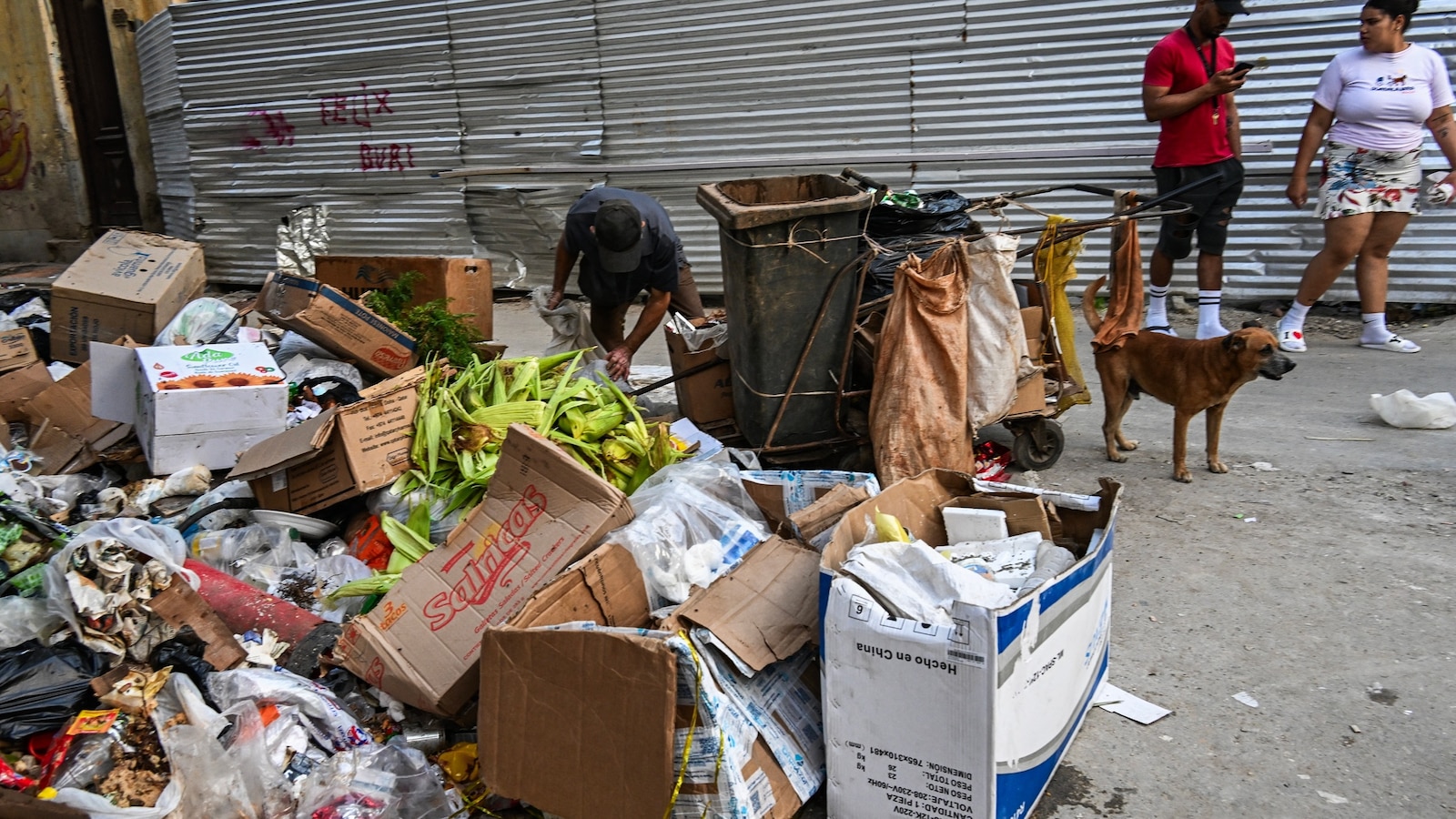
The human cost of this crisis is becoming increasingly visible throughout the capital. Granello reports a disturbing rise in the number of people begging on the streets and desperately searching through mountains of uncollected garbage for anything edible. The breakdown of basic services has created a cascade of problems that compound each other: transportation costs have skyrocketed fivefold, making it nearly impossible for many to get around the city, while food prices have climbed so high that vulnerable populations—particularly the elderly and disabled—can no longer afford basic nutrition. The situation in Havana, as dire as it is, may actually represent the better end of the spectrum, as conditions in rural areas and smaller cities are likely even worse. Adding to the nation’s woes, Cuba is still recovering from the devastating impact of Hurricane Melissa, which struck in October, leaving infrastructure damage that the cash-strapped government has been unable to fully repair.
Infrastructure Collapse and Cascading Failures
The crisis reached a critical point when Cuba’s national electric system suffered what officials called a “total disconnection,” plunging the entire nation into darkness and sparking civil unrest across the island. President Miguel Diaz-Canel acknowledged the growing frustration among Cuba’s population, attributing the prolonged blackouts to what he termed the “U.S. energy blockade,” which he claimed had been “cruelly intensified in recent months.” While expressing understanding for his citizens’ distress, Diaz-Canel also issued a stern warning against violence and vandalism, emphasizing that such actions threatening public tranquility and institutional security would not be tolerated. The government’s position reflects the delicate balance officials are trying to maintain—acknowledging the hardship while attempting to redirect anger toward external forces rather than the regime itself.
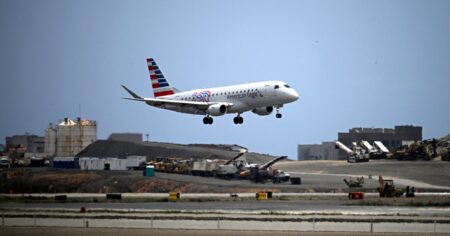
The electricity crisis has created a domino effect that touches every aspect of Cuban life. With 95% of the population relying on electric pumps for their water supply, the blackouts have effectively cut off access to clean drinking water for millions of people. In rural areas, farmers find themselves unable to transport their harvests to urban markets because the government has virtually suspended fuel sales throughout the country of approximately 10 million people. This means that even where food is being produced, it cannot reach the people who need it most. The tourism industry, which has long been a crucial pillar of Cuba’s economy, has collapsed almost entirely since early February. Major international airlines have suspended flights to the island due to the lack of available jet fuel, cutting Cuba off not just from tourist revenue but from one of its primary connections to the outside world. In a televised address on February 5, Diaz-Canel laid responsibility for these cascading failures squarely at the feet of what he called “aggressive and criminal” U.S. policies, arguing that the blockade has affected vital services ranging from education and transportation to food production and tourism.
Trump’s Blockade and Political Rhetoric
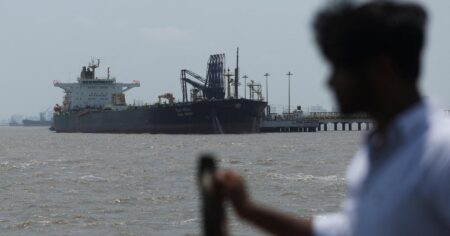
The current crisis can be traced directly to actions taken by the Trump administration earlier this year. The United States implemented an oil blockade that effectively cut off Havana’s access to foreign oil shipments, most critically those from Venezuela, which had been Cuba’s main supplier. On January 29, President Trump issued an executive order declaring a “national emergency” with respect to Cuba, claiming that the “policies, practices, and actions of the Government of Cuba constitute an unusual and extraordinary threat” to U.S. national security and foreign policy. This declaration provided the legal framework for the sanctions that have since strangled Cuba’s energy supply. The blockade’s effectiveness stems from its targeting of the entire supply chain—not just preventing U.S. companies from selling to Cuba, but threatening sanctions against any international entity that facilitates oil shipments to the island.
During an Oval Office event, President Trump made remarks that shocked observers and escalated tensions dramatically. He stated that he believes he will “have the honor” of taking Cuba, describing it as “a failed nation” with “no money,” “no oil,” and “no nothing.” Trump praised the island’s physical attributes, calling it “a beautiful island” with “nice land” and “nice landscape,” language that many interpreted as eyeing Cuba’s potential as a possession rather than respecting it as a sovereign nation. These comments sparked immediate outrage in Havana and raised alarm bells internationally about U.S. intentions toward its island neighbor. President Diaz-Canel responded sharply, accusing the U.S. of publicly threatening Cuba “almost daily” with plans to overthrow its constitutional order by force. He condemned what he called the “outrageous pretext” of blaming Cuba’s economic limitations while ignoring more than six decades of U.S. efforts to attack and isolate the country. Diaz-Canel’s response emphasized that “any external aggressor will clash with an impregnable resistance,” framing the crisis as part of a long-standing pattern of U.S. aggression rather than a consequence of the Cuban government’s own policies and mismanagement.
Behind-the-Scenes Negotiations
Despite the heated public rhetoric, Secretary of State Marco Rubio has been quietly engaged in negotiations with figures close to the Cuban government, seeking some resolution to the crisis. Rubio’s public comments have struck a different tone than Trump’s more inflammatory statements, though they remain firm in their position that Cuba must make fundamental changes. “They don’t get subsidies anymore. So they’re in a lot of trouble. And the people in charge of them, they don’t know how to fix it,” Rubio stated, adding that Cuba needs to “get new people in charge.” This language suggests that the U.S. is seeking regime change as a condition for lifting the blockade, a position that has historically been a non-starter for the Cuban government but which may be gaining traction as the humanitarian situation deteriorates.
President Diaz-Canel publicly acknowledged these negotiations in a televised address, confirming that Cuba was holding talks with “representatives of the United States government” as Trump’s pressure campaign intensifies. However, he was careful to manage expectations, stating that discussions were “in their first phase” and that negotiators were still working “to establish an agenda.” The Cuban president’s decision to acknowledge these talks publicly—something previous Cuban leaders might have avoided—suggests both the severity of the crisis and perhaps a recognition that some accommodation with the United States may be necessary for Cuba’s survival. The negotiations represent a high-stakes gamble for both sides: for Cuba, accepting too many U.S. demands could undermine the regime’s legitimacy and the revolutionary ideology it has promoted for more than six decades; for the Trump administration, being seen as causing a massive humanitarian catastrophe just 90 miles from Florida could create political problems despite the president’s hardline base.
Historical Context and Root Causes
Sabastian Arcos, director of the Cuban Research Institute at Florida International University, provides crucial historical perspective on the crisis, arguing that Cuba’s problems began long before the Trump administration’s sanctions. According to Arcos, the current situation is “a long-winded crisis that began with the collapse of the Soviet Union in 1991, when the Cuban economy and the Cuban regime were faced with dealing with the real world, the real-world economy without its former patron, the Soviet Union.” This analysis highlights how Cuba never successfully transitioned from its dependency on Soviet subsidies to a self-sustaining economic model. For decades, Cuba survived through a combination of limited reforms, subsidies from Venezuela, and revenue from tourism and remittances, but never addressed fundamental structural problems in its economy.
Arcos alleges that rather than investing in fixing crumbling infrastructure and modernizing its economy, the Cuban regime either stole or misallocated funds, pouring resources into “a gigantic security service to keep the regime in power.” This critique points to a fundamental choice made by Cuban leadership: prioritizing regime survival over economic development and the welfare of ordinary citizens. The situation is now “really dire,” according to Arcos, who believes the U.S. sanctions have brought the regime to “a tipping point.” However, he emphasizes that while January 3—the date U.S. forces captured Venezuelan President Nicholas Maduro on drug trafficking charges, cutting off Cuba’s main oil supply—marked a dramatic escalation, “it was already there. It just got worse.” This perspective suggests that the Trump administration’s actions accelerated and exposed an existing crisis rather than creating one from whole cloth. The Venezuelan connection is particularly significant, as Cuba had become heavily dependent on discounted oil from Caracas in exchange for sending doctors, teachers, and security advisors to support the Maduro regime.
Humanitarian Crisis and International Implications
As conditions continue to deteriorate, experts warn of an impending humanitarian catastrophe that could have far-reaching consequences beyond Cuba’s shores. Arcos predicts “a potential for a gigantic humanitarian crisis in Cuba that will be blamed on the United States, even though the regime is the main culprit.” This observation highlights the complex politics of blame and responsibility in international relations. While U.S. sanctions have undoubtedly accelerated Cuba’s collapse and intensified the suffering of ordinary Cubans, the regime’s own policies, corruption, and economic mismanagement created the underlying vulnerabilities that made such a rapid collapse possible. The question of responsibility matters not just for historical judgment but for practical policy decisions: if the international community views the U.S. as primarily responsible for Cuba’s humanitarian crisis, Washington may face pressure to ease sanctions regardless of whether the Cuban government makes reforms; conversely, if the regime is seen as the primary culprit, pressure may build for political change in Havana.
The potential for a mass migration crisis looms large in U.S. calculations. Florida, just 90 miles from Cuba, has historically been the destination for waves of Cuban refugees during previous crises. A complete economic collapse in Cuba could trigger an exodus dwarfing previous migrations, creating a political and humanitarian challenge for the United States that would be impossible to ignore. This reality gives Cuba some leverage despite its weakened position—the threat of uncontrolled migration may push the Trump administration toward negotiation rather than continuing to tighten the vise. The international community is watching closely, with many nations critical of U.S. policy toward Cuba but uncertain how to respond effectively. The crisis also raises fundamental questions about the ethics and effectiveness of comprehensive sanctions regimes: while targeted sanctions against specific regime figures might influence behavior, broad-based economic blockades that devastate entire populations raise serious moral questions and often generate sympathy for the targeted government rather than pressure for change. As negotiations continue behind closed doors and rhetoric escalates publicly, the people of Cuba continue to struggle through blackouts, food shortages, and mounting desperation, hoping for a resolution before their nation reaches complete collapse.