

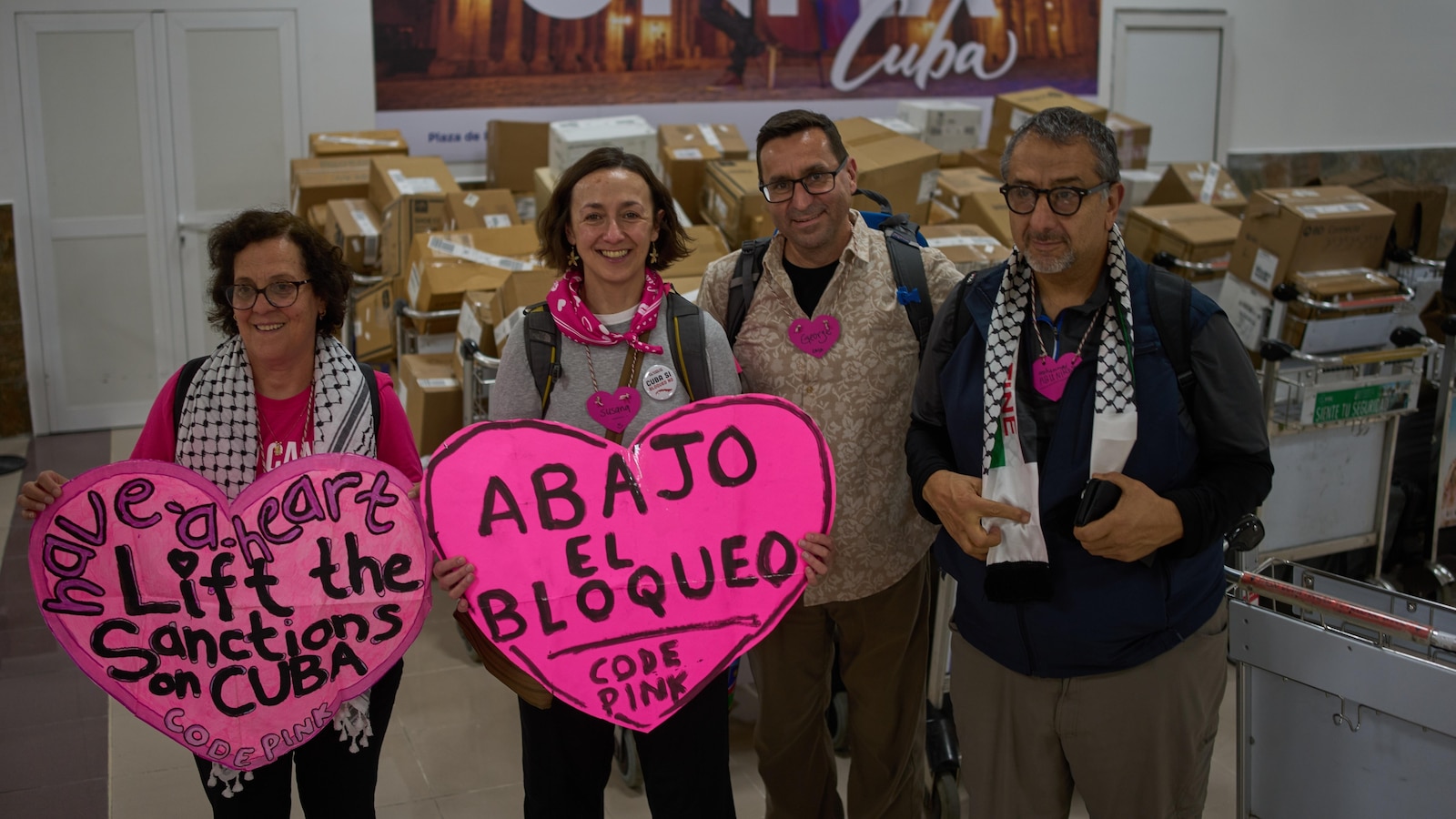

Global Solidarity Arrives in Cuba: A Humanitarian Lifeline Amid Crisis
An International Mission of Compassion
In a powerful display of international solidarity, approximately 650 delegates representing 33 countries and 120 organizations descended upon Cuba this week, bringing with them a beacon of hope during one of the island nation’s darkest hours. The “Our America Convoy to Cuba” represents far more than a simple humanitarian mission—it embodies a profound statement about human compassion transcending political boundaries. These volunteers, activists, and leaders arrived carrying approximately 20 tons of desperately needed humanitarian supplies, including solar panels, food, and critical cancer medications. The convoy participants traveled from diverse corners of the globe—Italy, France, Spain, the United States, and various Latin American nations—with some arriving by air on Friday and others scheduled to arrive Saturday aboard a flotilla of three vessels sailing from Mexico. This coordinated international effort comes at a critical juncture as Cuba faces what many describe as its most severe energy crisis in recent history, a situation that has brought daily life on the island to a near standstill and raised alarm bells about a potential humanitarian catastrophe.
A Crisis Years in the Making, Suddenly Accelerated
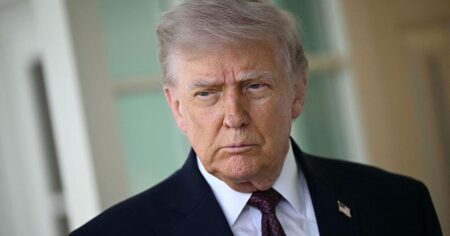
Cuba’s current predicament didn’t emerge overnight but rather represents the culmination of a five-year economic crisis that has steadily deteriorated living conditions across the island. However, the situation took a dramatic turn for the worse in January when U.S. President Donald Trump imposed a comprehensive energy embargo on the nation. This embargo has essentially choked off Cuba’s access to oil and energy resources, creating cascading effects throughout Cuban society. The Trump administration has been explicit about its intentions, with the President himself making provocative statements this week suggesting he expected to have the “honor” of “taking Cuba in some form,” and boasting that “I can do anything I want.” These comments have sent shockwaves through the international community and heightened tensions to levels not seen in decades. The energy embargo hasn’t merely created inconvenience—it has fundamentally disrupted the ability of hospitals to function, limited access to essential services, and threatened the basic infrastructure that modern life depends upon. Against this backdrop, the arrival of humanitarian aid takes on existential significance for millions of Cuban citizens who find themselves caught in a geopolitical struggle not of their making.
More Than Aid: A Political Statement Against Collective Punishment
The organizers and participants of this solidarity caravan understand that their mission extends beyond the immediate delivery of supplies. David Adler, a U.S. citizen serving as coordinator of Progressive International, one of the caravan’s organizing groups, articulated this broader vision when he stated: “In the end, we are dozens and dozens of delegates, and we represent millions of people in this convoy. We cannot allow this collective punishment. We cannot normalize it.” This framing—viewing the embargo and its effects as “collective punishment” targeting an entire population—reflects a perspective gaining traction in international humanitarian circles. Manolo de los Santos, representing The People’s Forum, another organizing entity, drew an even more alarming parallel, suggesting that traveling to Cuba at this critical moment isn’t only about “defying the U.S. blockade” but also preventing “another Gaza in the Americas.” This reference to Gaza resonates deeply, as several analysts and regional leaders, including Mexican President Claudia Sheinbaum, have issued warnings about the possibility of a full-scale humanitarian crisis unfolding in Cuba. The convoy’s participants include an impressive roster of international figures: British Parliamentarian Jeremy Corbyn, Colombian Senator Clara López, former Spanish politician Pablo Iglesias, U.S. labor leader Chris Smalls, and Brazilian humanitarian activist Thiago Ávila, alongside representatives from major political parties including Mexico’s Morena, Brazil’s Workers’ Party, and Uruguay’s Broad Front.
Cuba’s Response: Gratitude Mixed with Firm Boundaries
While expressing deep appreciation for the international support, Cuban officials have also used this moment to establish clear boundaries regarding ongoing talks with the United States. Deputy Foreign Minister Carlos Fernández de Cossío issued a firm statement on Friday explicitly refuting any suggestions that Cuba’s political system or leadership might be on the negotiating table. “The Cuban political system is not up for negotiation, nor is the president, nor the position of any official in Cuba, subject to negotiation with the United States or with the government of any other country,” Fernández de Cossío declared. This statement came in direct response to apparent discussions or speculations about potential changes to Cuba’s government structure or the possible departure of President Miguel Díaz-Canel as part of negotiations between the two nations. The deputy foreign minister emphasized that while Cuba remains open to dialogue with Washington on areas of common interest—as has occurred historically—the island’s sovereignty and right to self-determination remain non-negotiable principles. Meanwhile, President Díaz-Canel himself took to social media to express his gratitude for the incoming aid, stating: “They bring shipments of aid to combat the attempt to suffocate us. Welcome once again to the compassion of the people. Solidarity always returns to those who practice it with no other interest than human well-being.” His words reflect both appreciation for international support and implicit criticism of policies he views as deliberately designed to suffocate the Cuban people.
A Growing Wave of International Support
The “Our America Convoy” represents just the visible tip of a much larger iceberg of international solidarity. After several weeks during which Mexico stood virtually alone in providing assistance—sending food and hygiene products on three separate occasions—a broader movement has emerged as activists and leaders across multiple countries established support networks and organized donation drives. The response has been remarkable in its scope and diversity. Brazil announced plans to send 20,000 tons of food, primarily consisting of staples like rice, beans, and powdered milk—essential nutritional resources for a population facing potential shortages. A delegation of Chilean parliamentarians arrived Thursday with additional aid, demonstrating that support transcends ideological boundaries and speaks to shared humanitarian values. Perhaps most significantly, China’s embassy reported that a vessel carrying 60,000 tons of rice has set sail for Cuba, representing a substantial commitment from one of the world’s major powers. Interestingly, organizers noted that the flotilla heading to Cuba shares several supporters with the humanitarian flotilla that previously attempted to bring aid to Gaza, suggesting an emerging network of activists committed to challenging what they view as unjust blockades and embargoes wherever they occur. This cross-pollination of solidarity movements may represent a significant development in how international civil society responds to humanitarian crises with political dimensions.
Looking Forward: Humanitarian Need Versus Political Pressure
As this wave of international solidarity reaches Cuban shores, fundamental questions remain about the path forward. The humanitarian aid now arriving will provide critical relief and potentially prevent the worst-case scenarios that international observers have warned about. Solar panels may help address energy shortages, food supplies can prevent hunger, and medical supplies—particularly cancer medications—will literally save lives. However, these shipments, however generous, represent temporary solutions to problems rooted in larger political and economic structures. The Trump administration has made clear its intention to maintain maximum pressure on Cuba’s government, hoping to force political changes through economic hardship. The tension between this approach and the humanitarian costs it imposes on ordinary Cubans has created an international flashpoint, with governments and civil society organizations increasingly willing to challenge U.S. policy publicly. The acknowledgment by both governments that talks are ongoing suggests some recognition that the current trajectory may be unsustainable, yet President Trump’s provocative rhetoric about “taking Cuba” indicates that any diplomatic resolution remains distant. For the 650 delegates who traveled to Cuba this week, and the millions they represent, the message is clear: humanity and solidarity must take precedence over political maneuvering, and the collective punishment of entire populations through embargoes and blockades represents a moral line that the international community should refuse to accept. As Cuba continues to navigate this crisis, supported by this remarkable display of international compassion, the world watches to see whether humanitarian concerns will ultimately influence the political calculations that have brought the island to this precarious moment.