


High-Ranking Official Resigns Over Iran War: A Crisis of Conscience in the Trump Administration
A Stunning Departure from National Security Leadership
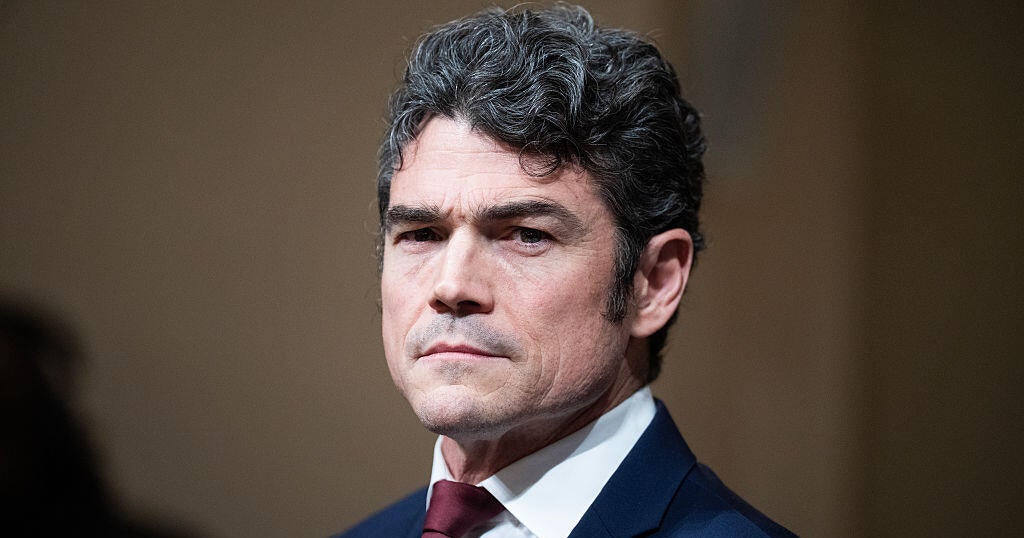
In an unprecedented move that has sent shockwaves through Washington’s national security establishment, Joe Kent, President Trump’s director of the National Counterterrorism Center, announced his immediate resignation on Tuesday morning. Kent, a retired Green Beret with years of decorated military service, took the extraordinary step of publicly breaking with the administration over what he described as a “manufactured” war with Iran. His resignation letter, posted directly to social media platform X, didn’t mince words about his reasons for leaving one of the most sensitive positions in American intelligence and counterterrorism operations. This wasn’t a quiet departure or a resignation couched in the usual diplomatic language about “spending more time with family” or “pursuing other opportunities.” Instead, Kent delivered a direct condemnation of the administration’s decision to engage in military conflict with Iran, stating bluntly that he could no longer “in good conscience support the ongoing war in Iran.” For someone who had been confirmed by the Senate just months earlier in July 2025, and who served as the president’s principal counterterrorism adviser, this public dissent represents one of the most significant ruptures between the Trump administration and its own appointed national security leadership.
The Core of Kent’s Objection: No Imminent Threat
At the heart of Joe Kent’s resignation lies a fundamental disagreement about the justification for war—a disagreement that cuts to the core of when and why America should commit its military forces to combat. In his resignation letter addressed directly to President Trump, Kent made his position crystal clear: “Iran posed no imminent threat to our nation.” This statement is particularly significant coming from someone whose entire professional responsibility centered on identifying and countering genuine threats to American security. As director of the National Counterterrorism Center, Kent had access to the nation’s most sensitive intelligence regarding potential threats from Iran and other adversaries. His assessment that Iran did not pose an imminent threat therefore carries substantial weight, as it comes from someone who would have been among the first to know if such a threat existed. The concept of “imminent threat” has long been the legal and moral standard by which America justifies preemptive military action, dating back to the Caroline test of 1837 and reinforced through modern international law and American military doctrine. Kent’s assertion that this standard was not met in the case of Iran suggests that, in his professional judgment based on the intelligence he reviewed, the military action did not meet the threshold that would justify launching a war.
The Israel Factor: Allegations of Foreign Influence
Perhaps the most controversial aspect of Kent’s resignation letter was his direct allegation about the origins of the conflict. He stated unequivocally that “it is clear that we started this war due to pressure from Israel and its powerful American lobby.” This accusation ventures into politically sensitive territory, touching on long-standing debates about the relationship between American and Israeli foreign policy interests in the Middle East. Kent’s claim is that American military action—which puts American lives at risk and commits American resources—was undertaken not because of direct threats to American interests, but because of external pressure from a foreign government and its domestic advocates. Whether one agrees or disagrees with Kent’s assessment, his willingness to state this publicly represents a remarkable break with the usual discretion expected of national security officials, even after they leave office. The allegation raises profound questions about the decision-making process that led to the conflict: Were American interests truly served by this military action? Was there undue influence from external parties in what should have been a decision based purely on American security needs? Kent’s military background and recent access to classified intelligence give his claims a credibility that makes them impossible for the administration to simply dismiss.
Kent’s Background: From Green Beret to Counterterrorism Chief
To understand the significance of this resignation, it’s important to appreciate who Joe Kent is and what his position entailed. Kent is a retired U.S. Army Special Forces officer—a Green Beret—with extensive combat experience and years of service in some of the most dangerous counterterrorism operations around the world. His military career gave him firsthand knowledge of the costs of war, both in terms of American lives and the complex geopolitical consequences that follow military intervention. After his military retirement, Kent entered the political arena, eventually catching the attention of President Trump, who nominated him to lead the National Counterterrorism Center in February 2025. The Senate confirmation process that followed would have involved extensive vetting and questioning about his qualifications, his views on national security, and his ability to lead one of the nation’s most critical intelligence organizations. He was confirmed in July 2025, just months before his resignation, meaning he had barely settled into the role before finding himself at odds with the administration’s decision to go to war with Iran. As director of the National Counterterrorism Center, Kent held one of the most important positions in the U.S. intelligence community, leading the nation’s counterterrorism and counternarcotics efforts and serving as the president’s principal adviser on terrorism-related threats. This wasn’t a mid-level bureaucrat or a political appointee with minimal responsibilities—this was someone at the very top of America’s national security apparatus.
The Broader Implications for the Trump Administration
Joe Kent’s resignation represents more than just one official’s departure; it is the highest-ranking resignation from the Trump administration over the Iran war, and it potentially signals deeper fissures within the national security establishment regarding the wisdom and justification of the conflict. When someone with Kent’s credentials and position publicly breaks with an administration over a matter of war and peace, it inevitably raises questions about who else within the government shares his concerns but hasn’t yet spoken publicly. The decision to post his resignation letter on social media rather than submitting it through traditional channels and keeping it private suggests Kent wanted to ensure his message reached the American public directly, without being filtered through official statements or media interpretations. This approach reflects a judgment that the situation is serious enough to warrant public disclosure, despite the potential personal and professional costs. For the Trump administration, this resignation creates a significant political problem, as it provides ammunition to critics of the Iran war and raises questions about the intelligence and decision-making process that led to the conflict. The administration will likely face renewed pressure to justify the military action, particularly the claim that Iran posed a threat requiring immediate military response. Kent’s departure also creates a practical problem: the National Counterterrorism Center now needs new leadership at a time when the nation is engaged in active military operations, a transition that could potentially create vulnerabilities in America’s counterterrorism posture.
What This Means for America’s Iran Policy and Beyond
As this story continues to develop, Kent’s resignation will likely prompt deeper examination of several critical questions: What intelligence did the administration rely on when making the decision to go to war? Were dissenting voices within the intelligence community heard and considered, or were they sidelined? What role did external pressure play in the decision-making process? And perhaps most importantly, if a war was initiated without an imminent threat to America, what does that mean for the nation’s stated principles about when military force is justified? Kent’s actions have opened a public debate that might otherwise have remained behind closed doors in classified briefings and secure conference rooms. By taking his concerns directly to the American people, he has ensured that questions about this war cannot be easily dismissed or ignored. Whether history will vindicate his decision to resign and speak out, or whether subsequent revelations will show the war was more justified than he believed, remains to be seen. What is already clear is that this resignation represents a significant moment in the ongoing debate about American foreign policy in the Middle East, the appropriate use of military force, and the influence of allied nations on U.S. decision-making. For now, the nation watches as this story unfolds, waiting to see whether other officials will follow Kent’s lead, how the administration will respond to his allegations, and ultimately, how the war itself will progress and what consequences it will bring for America’s position in the world.