

Energy Secretary Chris Wright Discusses Iran Tensions and Global Energy Security
The Unfinished Business with Iran
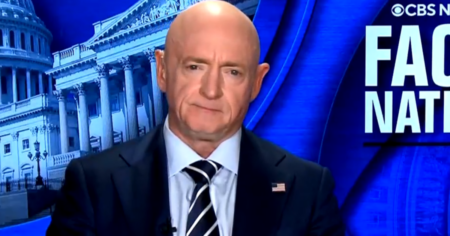
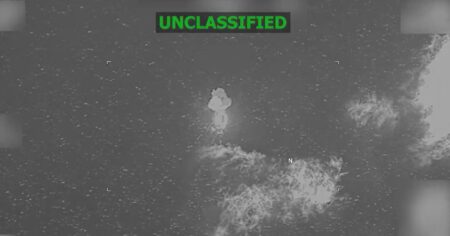
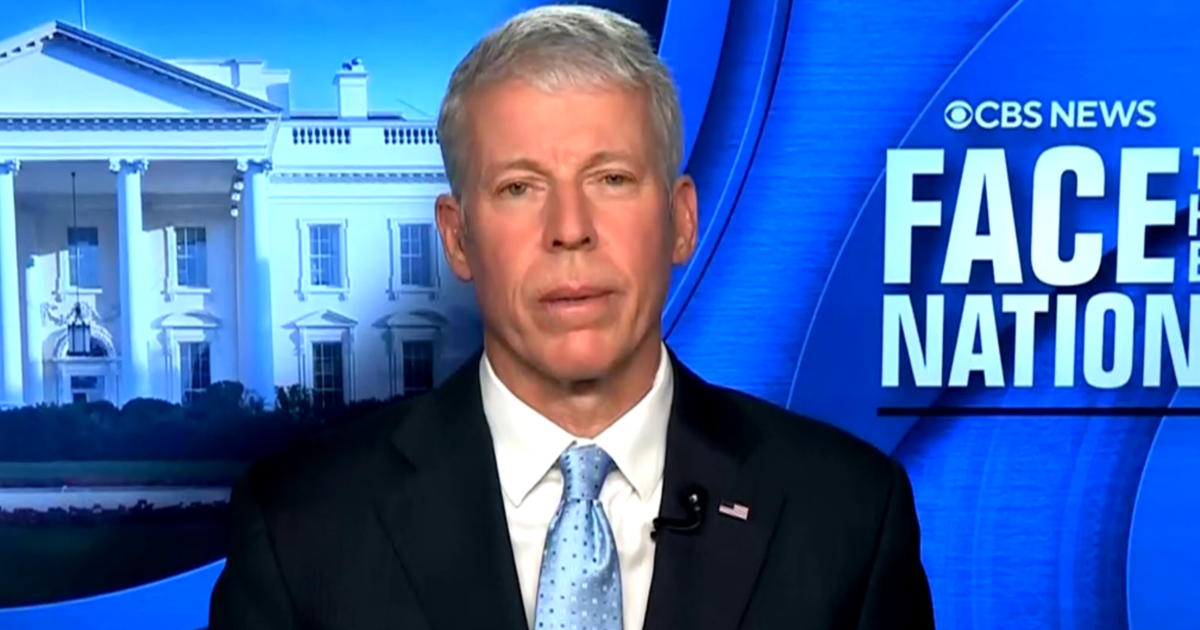
In a revealing Mother’s Day interview on “Face the Nation,” Energy Secretary Chris Wright painted a picture of a nation at a critical crossroads with Iran. Speaking with host Margaret Brennan, Wright acknowledged that while President Trump has declared hostilities terminated, the real work is far from over. The conversation revealed a complex situation where military objectives have been met, but the ultimate goal—dismantling Iran’s nuclear program—remains unfinished. Wright was candid about the uncertainty ahead, saying they know where this needs to end but not necessarily how they’ll get there. The goal is clear: ensuring free passage through the crucial Strait of Hormuz and completely ending Iran’s nuclear ambitions. What makes this particularly interesting is the contrast between what’s been accomplished and what still lies ahead. According to Wright, the U.S. and its allies successfully degraded Iran’s military capabilities over about five weeks—right in the predicted four-to-six-week window. Iran’s missile production facilities, drone manufacturing, naval forces, air force, and air defense systems have been largely eliminated. These weren’t just military targets; they were the protective shield around Iran’s nuclear program, the “porcupine” that made it untouchable. With those defenses now gone, the nuclear facilities stand exposed, but the question of what comes next remains open.
The Nuclear Challenge: America’s Primary Concern
Perhaps the most striking part of the interview was Wright’s discussion of Iran’s nuclear stockpile and what the United States plans to do about it. The numbers are sobering: Iran currently possesses nearly 1,000 pounds of uranium enriched to 60%—dangerously close to weapons-grade material and far beyond anything needed for civilian energy purposes. Wright didn’t mince words about Iran’s intentions, flatly stating that despite Iran’s claims about civil nuclear programs, “it was never about that. It was always about weapons.” As the person responsible for America’s nuclear program, Wright explained that his department has been actively monitoring the situation and planning for various scenarios. The expertise needed to handle such dangerous material resides within the Department of Energy, and his team is ready to act. But how exactly that will happen remains unclear. When pressed by Brennan about whether this means sending American personnel into Iran to retrieve the enriched uranium, Wright emphasized that ending the nuclear program is the goal, regardless of the method. It could involve Department of Energy experts, UN inspectors from the International Atomic Energy Agency, or even military personnel. The flexibility in approach suggests the administration is keeping all options on the table while hoping for a diplomatic solution that doesn’t require boots on the ground.
The Strait of Hormuz: Playing High-Stakes Poker
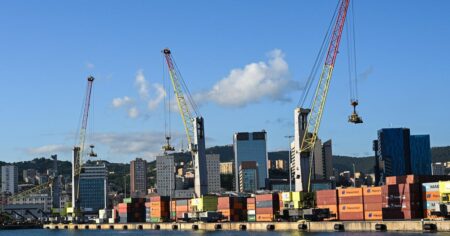
The situation in the Strait of Hormuz represents one of the most delicate aspects of this entire crisis. This narrow waterway is the world’s most important oil chokepoint, and Iran is using it as their primary leverage. Wright described it as Iran’s “only card,” which makes it both their strongest bargaining chip and their most predictable move. The United States has imposed a blockade on all traffic to and from Iranian ports, while Iran has been harassing other vessels trying to pass through the strait. The back-and-forth over “Project Freedom”—President Trump’s plan to use U.S. naval vessels to escort commercial ships through the waterway—reveals just how complicated this diplomatic dance has become. The project was announced with fanfare, then called off within 48 hours at Pakistan’s request (though Wright mentioned it was actually at Iran’s request), then threatened to resume “at a higher level and intensity,” and then put on hold again. This isn’t indecision; it’s strategic maneuvering. Wright explained that when the U.S. began preparations to militarily clear the strait, Iran essentially said “wait, let’s make a deal.” This is exactly what the administration wanted—to create enough pressure that Iran would come to the negotiating table seriously. Wright was clear that clearing the strait militarily isn’t a simple operation; it would take significant time and resources. But he was equally clear that if negotiations don’t show promise within days, the military option would resume.
Economic Pressure: Squeezing Iran from All Sides
Beyond the military and diplomatic pressure, the United States is waging an economic campaign that Wright believes is having significant effects. The blockade alone has cut off Iran’s main export revenues, strangling the government’s ability to function. But there’s another operation underway called “Economic Fury,” which targets the personal wealth of Iranian Revolutionary Guard Corps (IRGC) leaders. These corrupt officials have been funneling money out of Iran for years, squirreling it away in foreign accounts and investments. Now, the U.S. is systematically identifying and seizing those assets. This dual approach—strangling the country’s official revenue while also going after the personal fortunes of its leaders—is designed to create maximum motivation for Iran to negotiate. Wright emphasized that this pressure is “increasing dramatically” and is specifically aimed at driving Iranian leadership to the table. However, as Brennan pointedly noted, there’s an irony here: the U.S. is simultaneously declaring these IRGC leaders corrupt and terrible while also potentially negotiating a deal that would allow them to remain in power. It’s the kind of uncomfortable reality that comes with practical diplomacy—sometimes you have to make deals with bad actors to prevent even worse outcomes.
The Energy Market Reality: Pain at the Pump
For most Americans watching this interview, the geopolitical chess game matters less than what they see when they pull up to the gas station. Brennan pressed Wright repeatedly on gas prices, noting that they’ve been climbing and that the airline industry is warning customers not to expect relief anytime soon. Saudi Aramco’s CEO has warned that even when shipping routes reopen, the market won’t normalize quickly after losing access to a billion barrels of oil. Wright’s responses on this topic were notably more cautious than on other issues. When Brennan noted that he had previously said prices had peaked, he walked that back, saying “I don’t know the future of gas prices.” It was a moment of honesty that probably didn’t thrill his communications team but reflected the reality that no one can predict commodity markets with certainty, especially during a crisis. What Wright did emphasize was the bigger picture: yes, there’s short-term economic pain, but the alternative is worse. A nuclear-armed Iran would represent a permanent threat to Middle East peace and energy security. The region produces much of the world’s oil and gas, and allowing Iran to hold that production hostage with nuclear weapons would create long-term instability far worse than temporary price spikes. It’s a classic case of short-term pain for long-term gain, though that’s cold comfort when you’re filling up your tank or booking summer travel.
The Path Forward: Clarity Through Uncertainty
What emerged most clearly from this interview is that the Trump administration has a definite end goal but is remaining flexible about how to achieve it. Wright repeatedly emphasized that they know where this needs to end: free passage through the Strait of Hormuz, the complete elimination of Iran’s nuclear program, and the removal of enriched uranium from the country. How they get there—through negotiation, military action, or some combination—remains to be determined based on Iran’s response in the coming days and weeks. Wright portrayed President Trump as a “much clearer, black and white, stronger leader” than his predecessors, suggesting that the simplicity of the demand—end your nuclear program, period—should make negotiations relatively straightforward. Not months of complex talks like the Obama-era Iran deal, but potentially just weeks of direct negotiations. Whether that optimism is justified remains to be seen. Nuclear agreements are notoriously complex precisely because the technical details matter enormously. The difference between uranium enriched for power plants and uranium enriched for bombs is a matter of percentages and verification protocols. The interview revealed an administration confident in its military achievements, applying maximum pressure on multiple fronts, and betting that Iran will choose negotiation over continued isolation and potential military action. For the American public, it means continued uncertainty about gas prices and the broader economy, but with the promise that these sacrifices serve a larger purpose: preventing a nuclear-armed Iran from threatening regional and global security for decades to come. Whether that trade-off proves worthwhile will likely be debated long after this crisis resolves.