
Lessons from the Ashes: Why Los Angeles Must Rebuild Smarter, Not Just Faster
A Journalist’s Front-Row Seat to Disaster
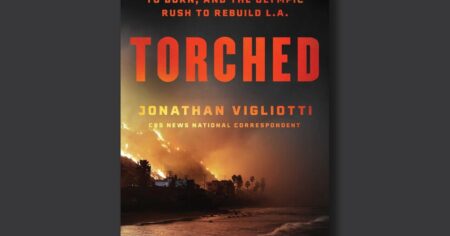
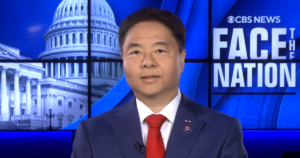
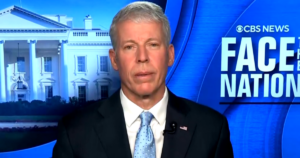
CBS News national correspondent Jonathan Vigliotti witnessed devastation on an unimaginable scale while covering last year’s catastrophic California wildfires. Through countless sleepless nights and grueling days on the ground, he documented not just the flames that consumed entire neighborhoods, but the human stories behind the destruction. His forthcoming book, “Torched: How a City Was Left to Burn, and the Olympic Rush to Rebuild L.A.,” set for publication on May 12 by Atria/One Signal, captures this harrowing experience in vivid detail. More importantly, it raises urgent questions about whether Los Angeles is learning the right lessons from this tragedy. As the city races to rebuild before hosting the 2028 Olympics, Vigliotti warns that speed without wisdom could set the stage for history to repeat itself. His message is clear and sobering: we have a narrow window of opportunity to build differently, to build smarter, and to build in ways that might actually withstand the next inevitable disaster. The question isn’t whether another fire will come – it’s whether we’ll be ready when it does.
The Three Little Pigs Come to Life in Los Angeles
Remember the childhood fable of The Three Little Pigs? Three brothers build three houses using different materials – straw, sticks, and bricks – and when the big bad wolf arrives, only the brick house withstands his huffing and puffing. This simple story, told to teach children about planning ahead and building wisely, played out with chilling accuracy in Los Angeles last year. The wolf in this real-life tragedy wasn’t a fairy tale villain but something far more relentless: extreme winds and fires supercharged by climate change. These forces tore through Pacific Palisades and Altadena with devastating efficiency, exposing the vulnerability of how we’ve chosen to build our homes. Just as in the classic tale, not all houses were created equal. The city’s “straw” homes – older wooden structures built before modern fire codes existed – comprised many of the losses, crumbling quickly under the fire’s assault. The “stick” homes, built to current code standards, performed better but still suffered significant damage because code requirements still permit wood construction in fire-prone areas. The “brick” homes – those rare structures built beyond minimum requirements using fire-resistant materials – told a different story. Many of these homes survived, standing as testaments to what’s possible when we prioritize resilience over convention. These survivors weren’t lucky; they were built differently, and their existence proves that we know how to construct homes that can withstand these catastrophes.
The Olympic Countdown and the Rush to Rebuild
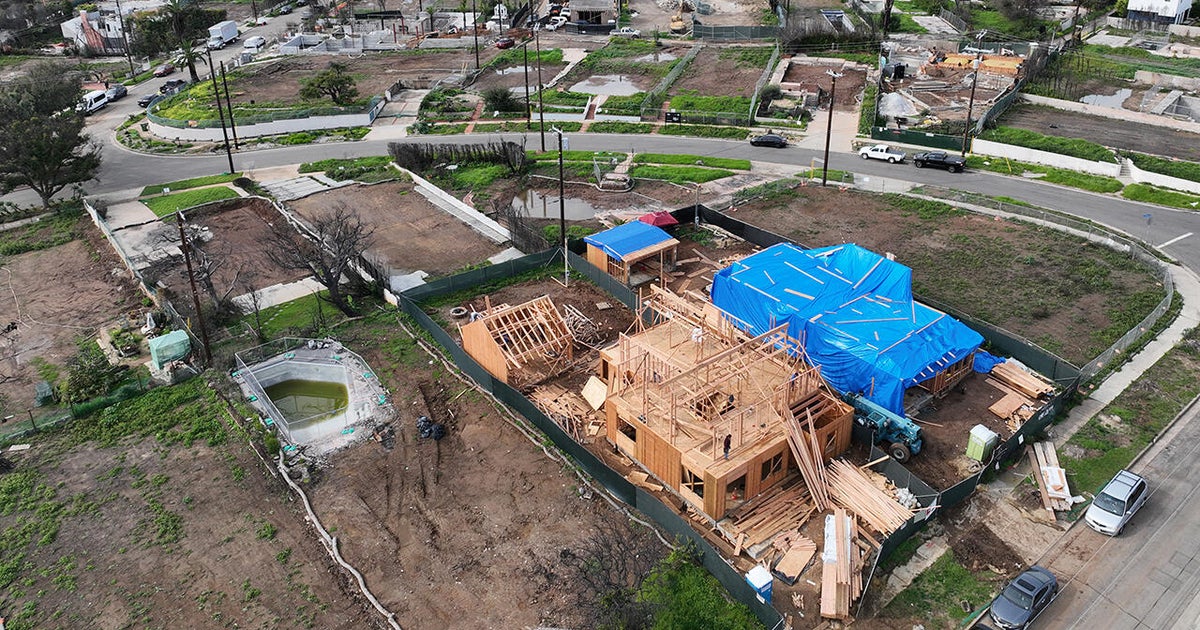
Los Angeles finds itself in a unique and pressurized situation. The city must rebuild after devastating losses while simultaneously preparing to host the world for the 2028 Olympics, an event Governor Newsom optimistically dubbed the “Recovery Games.” This dual challenge has created an unprecedented sense of urgency that’s compressing timelines in ways that should give us pause. Processes that typically take a full year – the careful work of cleanup, planning, permitting, and thoughtful reconstruction – have been squeezed into just a few months. City officials argue that this acceleration is necessary, and there’s some truth to the idea that “fast” isn’t automatically the enemy of “good.” After all, families need homes, communities need healing, and the Olympic deadline is non-negotiable. However, as Vigliotti points out, shortcuts almost always compromise quality and safety. In this high-speed rush to rebuild, a critical conversation is being sidelined: How do we build differently this time? Instead of treating this tragedy as a catalyst for transformation, Los Angeles appears to be reaching for the same old blueprint. New wood homes are rising on the ashes of old wood homes, even though fire-resistant alternatives exist. Steel and concrete composite homes can resist flames far longer than traditional wood construction, often cost about the same, and typically qualify for lower insurance premiums. Yet many homeowners rebuilding their lives aren’t even being informed about these options, because presenting alternatives, explaining their benefits, and adjusting plans all take precious time that the compressed schedule doesn’t allow.
What Other Cities Teach Us About Resilient Rebuilding
Los Angeles isn’t the first city to face the challenge of rebuilding after disaster, and the experiences of other communities offer valuable lessons that shouldn’t be ignored. After a devastating tornado leveled Joplin, Missouri, in 2011, city leaders made a consequential choice: they adopted significantly stronger building standards that went well beyond previous requirements. Similarly, following the catastrophic flooding of Hurricane Katrina in 2005, New Orleans didn’t simply rebuild homes in their original form. Instead, the city elevated rebuilt structures on stilts, acknowledging the reality of flood risk and designing around it rather than pretending the danger didn’t exist. These weren’t easy decisions. They cost more upfront, took longer to implement, and required convincing skeptical residents that change was necessary. On the tenth anniversary of Hurricane Katrina, President Obama reflected on New Orleans’ recovery and offered an observation that resonates powerfully with Los Angeles’ current situation: real change takes time, and it requires the courage to do things differently rather than simply doing them again. The cities that have rebuilt most successfully after disasters are those that paused long enough to ask hard questions about what went wrong and what could be done better. They recognized that the goal wasn’t just to restore what was lost, but to build something more resilient than what existed before.
Status Quo Versus Survival
In Los Angeles, despite these precedents and despite the clear evidence from homes that survived the fires, the status quo and the pressure for speed are driving the recovery process. This represents a troubling choice – prioritizing familiarity and velocity over adaptation and resilience. The construction industry, understandably, gravitates toward what it knows. Wood frame construction is familiar, the supply chains are established, the workforce is trained in these methods, and the permitting processes are streamlined for conventional building. Introducing alternative materials and methods disrupts all of this, creating friction and delay. For homeowners traumatized by loss and desperate to rebuild their lives, the path of least resistance is enormously appealing. Who can blame them for wanting to move quickly? Yet Vigliotti argues that there’s still time to pump the brakes, to step back and make better choices. While permits are indeed moving fast through the approval pipeline, most homes haven’t actually broken ground yet. This creates a narrow but crucial window of opportunity to adapt our approach. The infrastructure for change still exists – we can still choose to build differently if we decide to prioritize long-term safety over short-term convenience. The question is whether we have the collective will to do so, or whether the pressure to rebuild quickly and move on will override the lessons written in ash across Pacific Palisades and Altadena.
The Wolf Is Still Out There
Vigliotti’s most sobering reminder is that the “wolf” – the combination of climate change, extreme weather, and wildfire conditions – hasn’t gone anywhere. In fact, it’s getting stronger. Climate scientists tell us that the conditions that fueled last year’s fires aren’t anomalies but previews of what’s coming. Hotter temperatures, longer droughts, and more extreme wind events are creating a new normal in which devastating wildfires are increasingly likely. This isn’t speculation or fear-mongering; it’s the assessment of experts who study these patterns for a living. If we rebuild using the same materials and methods that proved vulnerable before, we’re not preparing for the next disaster – we’re ensuring it will be just as destructive as the last one. Yet despite this grim reality, there’s reason for hope, and it’s found in the evidence left behind by the fires themselves. Some houses still stood. Not because they were lucky, not because the wind happened to shift at the right moment, but because they were built to withstand extreme heat and flames. These survivors prove that we already have the knowledge and technology to build homes that can resist these disasters. We don’t need to invent new solutions or wait for breakthrough technologies. We simply need the courage to implement what we already know works. The fairy tale of The Three Little Pigs resonates across generations because it teaches a fundamental truth: preparation and thoughtful construction matter. The wolf huffed and puffed, but one house – the one built with care and superior materials – still stood. Los Angeles has the opportunity to write a similar ending to its story, but only if it chooses to build its future on a foundation of resilience rather than convenience. The clock is ticking, the Olympic deadline approaches, and decisions being made today will determine whether the next fire writes a story of tragedy or triumph.