



IOC Announces Major Policy Change: Transgender Women Barred from Female Olympic Competition
A Landmark Decision Based on Science and Fairness
The International Olympic Committee made waves this week with a groundbreaking announcement that will fundamentally reshape Olympic competition. Starting with the 2028 Los Angeles Games, transgender women athletes will no longer be eligible to compete in female Olympic events. This significant policy shift represents one of the most consequential decisions in recent Olympic history, affecting athletes worldwide and reigniting the ongoing debate about fairness, inclusion, and competitive integrity in women’s sports. The IOC emphasized that this wasn’t a decision made lightly or without careful consideration. According to their official statement, the new policy is firmly rooted in scientific evidence and expert medical consultation, designed specifically to preserve what they describe as the fundamental principles of fairness, safety, and competitive integrity within women’s athletic categories. This marks a definitive stance from the world’s premier sporting organization on one of the most contentious issues in modern athletics.
Understanding the Technical Details of the New Policy
The mechanics of how this policy will work are surprisingly straightforward, though the science behind it is complex. The IOC has announced that eligibility for female Olympic events will now be determined through a one-time genetic screening test that looks for the SRY gene. For those unfamiliar with genetics, the SRY gene is typically found on the Y chromosome and plays a crucial role in male sex determination during human development. Essentially, the presence of this gene generally indicates biological male development. Athletes who test positive for the SRY gene—including transgender women and those with certain differences of sexual development (DSD) conditions affecting XY chromosomes—will not be permitted to compete in female categories. However, the IOC was careful to clarify that this doesn’t mean these athletes are being excluded from Olympic competition entirely. They remain fully eligible to participate in male categories, including designated male positions in mixed-gender events, open categories, and in any sports that don’t separate competitors by sex. This nuanced approach attempts to balance competitive fairness with continued athletic opportunity.
The Rationale: Why the IOC Made This Decision Now
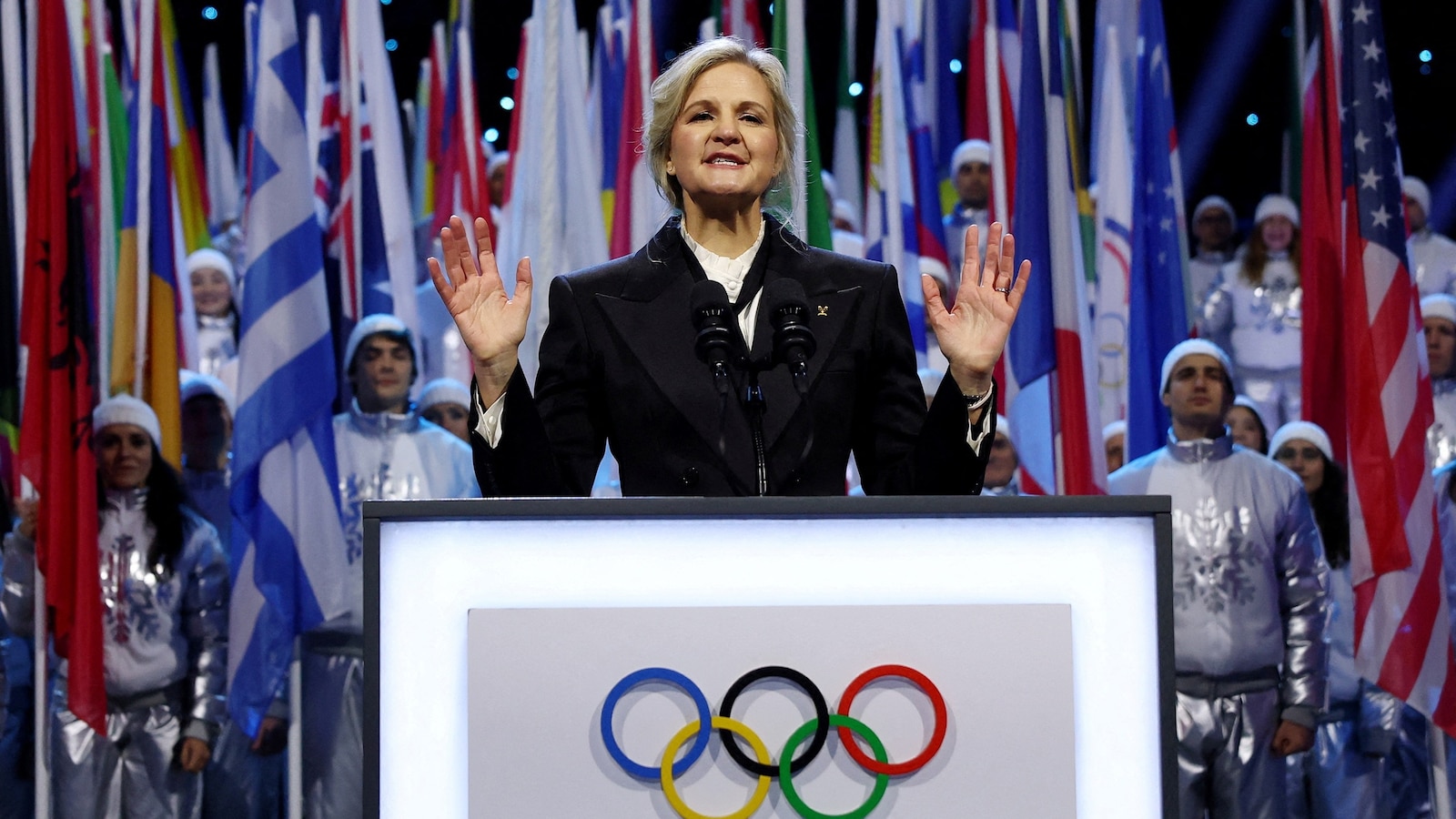
IOC President Kirsty Coventry didn’t mince words when explaining the reasoning behind this controversial policy change. In her official statement, she emphasized that the decision comes down to the razor-thin margins that define Olympic competition. At the highest levels of athletic achievement, we’re often talking about differences measured in hundredths of seconds or fractions of an inch—minuscule margins that separate gold medalists from those who don’t medal at all. In this context, Coventry argued, allowing biological males to compete in female categories simply wouldn’t be fair to female athletes who have trained their entire lives for these moments. But the concerns go beyond just fairness in results. The IOC president also highlighted safety considerations, particularly in contact sports and events where physical strength and power play significant roles. The biological differences between male and female athletes—including factors like bone density, muscle mass, lung capacity, and skeletal structure—develop during puberty and can create genuine safety risks in certain competitive situations. The committee’s position is that these advantages persist even after gender transition, making competition potentially dangerous in some circumstances.
The Broader Context: A Global Conversation About Women’s Sports
This Olympic policy doesn’t exist in a vacuum—it’s part of a much larger, ongoing conversation happening across the sporting world and society at large. Over the past several years, numerous sports organizations, from international governing bodies down to school athletic associations, have wrestled with how to create policies that respect transgender athletes while maintaining fair competition for female athletes. Different organizations have reached different conclusions, creating a patchwork of regulations that vary significantly from sport to sport and country to country. Some have implemented testosterone level requirements, some have mandated waiting periods after transition, and others have taken approaches similar to the IOC’s new policy. The debate has become increasingly heated, with passionate advocates on multiple sides. Supporters of inclusive policies argue that transgender women are women and deserve the right to compete in accordance with their gender identity, while those advocating for restrictions point to the biological advantages that many experts believe persist even after transition. The scientific community itself has been divided, with research offering evidence that different stakeholders interpret in different ways, making consensus extremely difficult to achieve.
What This Means for Athletes and the Future of Competition
For transgender athletes who have dreamed of Olympic competition, this policy represents a significant setback to those aspirations, at least in female categories. Some transgender women athletes have already achieved success in various sports, and this decision effectively closes the door on similar achievements at the Olympic level in women’s events. The emotional and practical impact on these athletes cannot be understated—for many, representing their country at the Olympics represents a lifetime dream, and this policy fundamentally alters what’s possible for them. Conversely, many female athletes and advocates have welcomed this decision as necessary protection for women’s sports. They argue that biological differences give transgender women unfair advantages that undermine the very purpose of having separate male and female categories in sports. These advocates contend that women’s sports exist specifically to give biological females a fair chance to compete and achieve at the highest levels, and that allowing transgender women to compete in these categories defeats that purpose. The IOC’s decision validates these concerns and prioritizes what they’ve determined to be competitive fairness for the broader population of female athletes.
Looking Ahead: Implementation, Reactions, and Ongoing Debates
As the 2028 Los Angeles Olympics approach, all eyes will be on how this policy is implemented in practice. Questions remain about the specifics of the genetic screening process, including how privacy will be protected, how results will be communicated, and what appeals processes might exist for athletes who wish to contest their results. The IOC will need to develop clear protocols and procedures to ensure the policy is applied consistently and fairly across all sports and countries. The international reaction has been predictably mixed, with sports officials, politicians, athletes, and advocacy groups offering a wide spectrum of opinions. Some countries and organizations have praised the IOC for taking what they see as a necessary stand for fairness in women’s sports, while others have criticized the decision as discriminatory and harmful to transgender athletes. The conversation certainly won’t end with this announcement—if anything, the IOC’s definitive stance is likely to intensify debates about transgender participation in sports at all levels. As scientific understanding continues to evolve and social attitudes continue to shift, sports organizations worldwide will continue grappling with how to create policies that balance competing values and interests. What’s clear is that the IOC has made its position known, setting a precedent that will influence sporting policy far beyond the Olympics themselves and continuing a conversation that shows no signs of resolution anytime soon.