

Trump Administration Lifts Sanctions on Venezuela’s New Leader in Historic Diplomatic Shift
A New Chapter in U.S.-Venezuela Relations
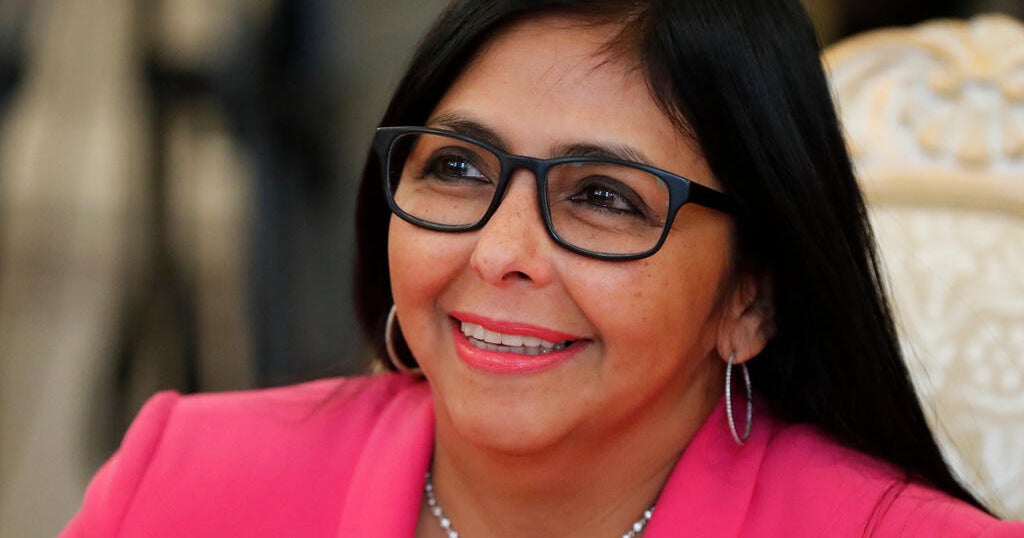
In a significant diplomatic development, the Trump administration has removed sanctions against Venezuela’s interim President Delcy Rodriguez, marking a dramatic turnaround in the troubled relationship between Washington and Caracas. The Treasury Department’s Office of Foreign Assets Control announced the decision, which allows Rodriguez to access previously frozen assets and conduct business with American companies. This move represents the latest step in what appears to be a concerted effort by the Trump administration to reset relations with Venezuela after years of isolation and confrontation. The timing is particularly notable, coming just three months after a dramatic special forces operation that resulted in the seizure of former President Nicolás Maduro and his wife, who were subsequently extradited to New York to face drug trafficking charges. Both have entered not guilty pleas, but their removal from power has opened the door for a complete reimagining of how the United States engages with this oil-rich South American nation.
From Maduro’s Ouster to Rodriguez’s Recognition
The removal of Rodriguez’s name from the Specially Designated Nationals list represents a remarkable reversal of fortune for the Venezuelan politician who was once considered part of Maduro’s inner circle. The shift in U.S. policy has been swift and decisive since Maduro’s dramatic removal from power. Last month, the United States took the historic step of formally recognizing Rodriguez as Venezuela’s legitimate leader and announced plans to reopen the U.S. Embassy in Caracas, which has been shuttered since 2019 when formal diplomatic relations were severed. President Trump himself has weighed in positively on the new Venezuelan leadership, publicly praising Rodriguez and stating that she is “doing a great job” and “working with U.S. Representatives very well.” This represents a striking change from the previous characterization of Rodriguez as someone who helped Maduro “maintain power and solidify his authoritarian rule,” as the Treasury Department described her when sanctions were first imposed in 2018. The transformation in how Washington views Rodriguez reflects both the changed political reality in Venezuela and the Trump administration’s pragmatic approach to advancing American interests in the region.
Economic Incentives and Oil Diplomacy
Behind the diplomatic reconciliation lies a significant economic motivation: Venezuela’s vast oil reserves, the largest in the world. The Trump administration has moved aggressively to incentivize American investment in Venezuela’s oil sector, systematically rolling back sanctions that had prevented U.S. companies from investing in infrastructure and production facilities. High-level delegations led by Energy Secretary Chris Wright and Interior Secretary Doug Burgum have traveled to Venezuela to explore opportunities and signal American commitment to helping rebuild the country’s energy sector, which had deteriorated significantly under years of mismanagement and international isolation. A Trump administration official explained that removing sanctions “signals our support for a more constructive U.S.–Venezuela relationship and for expanded private sector engagement that can help advance Venezuela’s economic recovery and democratic transition.” This approach reflects the administration’s belief that economic engagement and investment from American companies can serve as both a carrot to encourage continued cooperation from the new Venezuelan leadership and a mechanism to promote stability and potentially democratic reforms in a country that has experienced significant political turmoil and economic hardship in recent years.
Venezuela’s Response and Hopes for Further Relief
Rodriguez has responded positively to the removal of sanctions, acknowledging the decision in a post on her Telegram page and expressing cautious optimism about the future of bilateral relations. “We value President Donald Trump’s decision as a step toward normalizing and strengthening relations between our countries,” she wrote, adding that “we trust that this progress will allow for the lifting of current sanctions against our country, enabling us to build and guarantee an effective bilateral cooperation agenda for the benefit of our people.” Her statement suggests that while she welcomes this initial gesture, the Venezuelan government is hoping for more comprehensive sanctions relief that would allow the country greater access to international financial systems and markets. The sanctions imposed during the Maduro era had a devastating impact on Venezuela’s economy, which was already struggling with hyperinflation, shortages of basic goods, and a collapse in oil production. For ordinary Venezuelans who have endured years of economic hardship, the prospect of improved relations with the United States and the potential for increased investment and economic activity offers a glimmer of hope for better times ahead.
Questions About Rodriguez’s Past and Credibility
Despite the warming relations, significant questions remain about Rodriguez’s past role in the Maduro government and whether she can truly represent a break from the authoritarian policies that characterized that era. The sanctions originally imposed on Rodriguez and other Maduro government officials in 2018 came in response to what the U.S. and many other countries viewed as a rigged election that allowed Maduro to maintain power illegitimately. Rodriguez was specifically identified as someone Maduro had elevated to vice president to help him consolidate authoritarian control. These concerns have been echoed by Venezuelan opposition figures who question whether Rodriguez can be trusted to lead the country in a genuinely democratic direction. Maria Corina Machado, one of Venezuela’s prominent opposition leaders, thanked the Trump administration for removing Maduro but expressed skepticism about Rodriguez’s independence and commitment to democratic principles. In a February interview with Face the Nation moderator Margaret Brennan, Machado suggested that Rodriguez remains heavily influenced by American guidance rather than acting as an independent leader, stating that “everything Delcy Rodríguez is currently doing is because she’s complying with instructions she’s getting from the United States.” This criticism highlights the complex political dynamics at play and the challenges of transitioning from authoritarianism to democracy in a country where many current leaders were part of the previous regime.
Looking Ahead: Opportunities and Uncertainties
As the United States and Venezuela move forward with this diplomatic reset, both opportunities and uncertainties lie ahead. The potential for American investment in Venezuela’s oil sector could provide much-needed economic stimulus and help rebuild infrastructure that has fallen into disrepair, potentially improving living conditions for ordinary Venezuelans while also serving American energy interests. The reopening of formal diplomatic channels creates opportunities for cooperation on issues ranging from migration to counternarcotics efforts to regional security. However, significant challenges remain, including questions about the durability of Rodriguez’s leadership, the country’s ability to conduct credible democratic elections, concerns about corruption and rule of law, and the need to address the humanitarian crisis that has driven millions of Venezuelans to flee their country in recent years. The Treasury Department had not responded to requests for comment at the time of publication, leaving some details about the sanctions relief and future policy direction unclear. What is clear is that the Trump administration has made a strategic decision to engage with Venezuela rather than isolate it, betting that economic incentives and diplomatic recognition will prove more effective than sanctions and isolation in promoting American interests and encouraging positive change in Venezuela. Whether this gamble pays off will depend on Rodriguez’s willingness and ability to govern differently than her predecessor, the Venezuelan people’s desire for democratic reforms, and the Trump administration’s sustained commitment to supporting Venezuela’s transition. As this story continues to unfold, the world will be watching to see whether this diplomatic opening leads to genuine progress or merely represents a temporary thaw in a historically troubled relationship.