

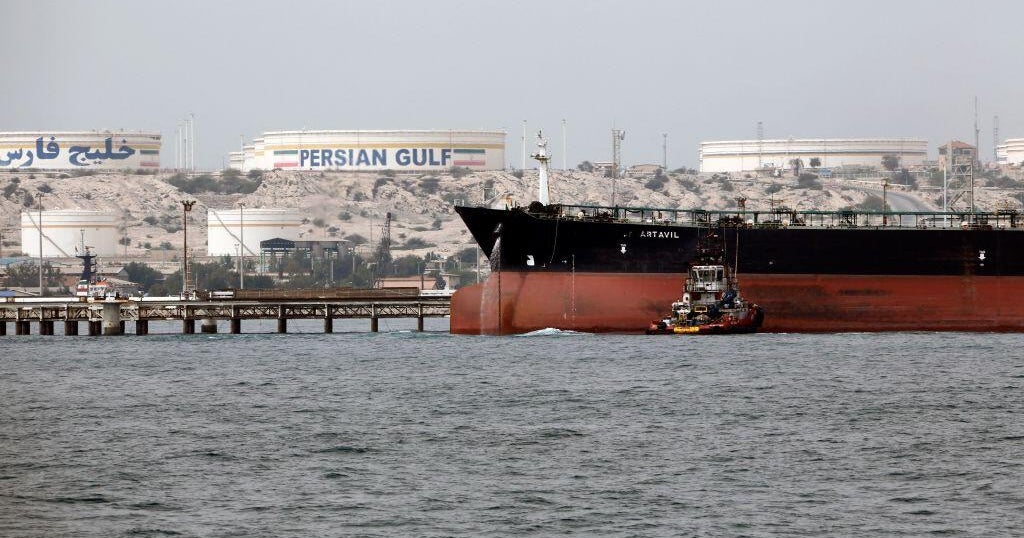

U.S. Grants Temporary Sanctions Relief on Iranian Oil Amid Escalating Conflict
A Strategic Shift in Wartime Energy Policy
In a surprising policy reversal that’s raising eyebrows across Washington and international capitals, the U.S. Treasury Department has issued a limited sanctions waiver allowing the purchase of Iranian oil already aboard ships at sea. This decision represents a significant departure from the stringent “maximum pressure” campaign that has defined America’s approach to Iran for years. The temporary measure, which applies to oil loaded onto vessels before 12:01 a.m. Eastern Time last Friday and remains valid until April 19, is being positioned by the Trump administration as a tactical move to combat skyrocketing oil prices during the ongoing conflict with Iran. Treasury Secretary Scott Bessent framed this decision as a way to redirect approximately 140 million barrels of Iranian crude—oil he claims would otherwise be “hoarded by China on the cheap”—back into global markets. By authorizing these purchases, the administration hopes to increase worldwide energy supplies and alleviate the intense supply pressures created by the current military operations, dubbed “Operation Epic Fury.” However, the waiver doesn’t apply to individuals or entities in North Korea, Cuba, or Russian-occupied territories in Ukraine, maintaining some geographic restrictions on who can benefit from this temporary sanctions relief.
The Economics Behind the Decision
Secretary Bessent’s announcement reveals a complex balancing act between maintaining economic pressure on Iran and preventing oil prices from spiraling out of control. The administration’s argument centers on using Iran’s own petroleum reserves as a weapon against Tehran’s economy while simultaneously providing relief to American consumers and the global economy. Bessent emphasized that despite this temporary loosening of restrictions, Iran would still face significant barriers to accessing the financial proceeds from these oil sales. “The United States will continue to maintain maximum pressure on Iran and its ability to access the international financial system,” he stated, suggesting that while the oil can be sold, the revenue streams will remain largely blocked. This represents what the administration views as having their cake and eating it too—flooding the market with Iranian oil to lower prices while theoretically preventing Tehran from capitalizing on those sales. The reality, however, may be more complicated, as any oil sales inevitably provide some economic benefit to the Iranian regime, whether directly or indirectly through various financial channels and intermediaries that have evolved to circumvent sanctions over the years.
A Pattern of Wartime Pragmatism
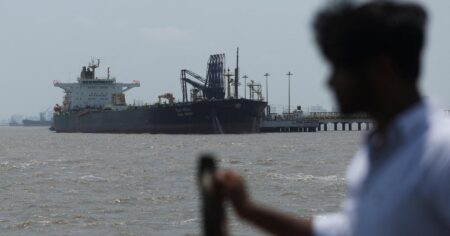
This Iranian oil waiver follows a similar move made just last week regarding Russian petroleum. The administration greenlit a one-month exemption allowing the purchase of Russian oil already at sea, temporarily easing the heavy sanctions that have weighed on Russia’s economy since its full-scale invasion of Ukraine began. These parallel decisions reveal a pattern in the Trump administration’s approach to wartime energy management: when military operations threaten to disrupt global oil supplies and send prices soaring, pragmatic economic considerations sometimes trump the ideological commitment to sanctions-based pressure campaigns. The administration finds itself walking a diplomatic and political tightrope, trying to pursue aggressive military operations against Iran while simultaneously managing the economic fallout that such actions inevitably create. The Strait of Hormuz—a narrow waterway between Iran and the Arabian Peninsula through which roughly 20% of the world’s oil passes—has become a critical bottleneck as tanker operators grow increasingly fearful of Iranian attacks. Ship traffic through this vital chokepoint has slowed dramatically, making it difficult for major Arab oil-producing nations to export their petroleum, even as Iran has continued allowing its own oil shipments to pass through the strait.
Political Backlash and Congressional Concerns
These sanctions waivers haven’t been universally welcomed, particularly among Congressional Democrats who view them as potentially counterproductive and possibly enriching America’s adversaries. The decision to ease restrictions on Russian oil purchases drew especially sharp criticism, with Senate Minority Leader Chuck Schumer and other Democratic senators issuing a strongly worded joint statement earlier this month. They argued that “the new channels for evasion the President is opening, coupled with dramatically higher global energy prices, are giving Putin a huge financial boost and the means to continue his bloody war in Ukraine.” Critics worry that these temporary measures could deliver windfall profits to hostile governments precisely when the United States should be maintaining maximum economic pressure. The controversy highlights a fundamental tension in wartime policy: the immediate need to prevent economic chaos and protect American consumers from price shocks can conflict with the longer-term strategic goal of economically weakening adversaries. Democrats have questioned whether the administration has adequately considered the broader implications of these decisions or whether they’re simply reacting to short-term political pressures created by high gas prices that could affect the president’s approval ratings and the administration’s political fortunes.
Limited Success in Controlling Oil Prices
Despite these sanctions waivers and other aggressive measures, the Trump administration has struggled to bring oil prices down from their multiyear highs. President Trump has deployed an array of tools attempting to address the supply crunch, including ordering the release of 172 million barrels from the Strategic Petroleum Reserve—a substantial drawdown of America’s emergency oil stockpile. The administration has also taken the unusual step of allowing foreign-flagged vessels to transport oil between U.S. ports, waiving longstanding maritime restrictions in an effort to improve domestic supply logistics. Yet these interventions have thus far proven insufficient to counteract the massive supply disruptions caused by the conflict with Iran and the resulting uncertainty in global energy markets. The petroleum industry on both sides of the conflict has suffered attacks, with facilities in Iran and U.S.-allied Arab states being struck throughout the war. Last week, President Trump ordered military strikes on targets at Kharg Island, which functions as Iran’s primary oil export terminal, and issued threats of additional strikes on oil-related infrastructure if Iran continues to interfere with shipping through the Strait of Hormuz. These military actions, while potentially degrading Iran’s capabilities, have the paradoxical effect of further spooking oil markets and driving prices higher—creating a cycle where military escalation necessitates economic interventions that may undermine the strategic pressure the military operations aim to create.
Future Uncertainty and Strategic Considerations
Looking ahead, the administration faces difficult questions about how to balance its military objectives with economic realities. President Trump has floated the idea of providing military escorts to oil tankers navigating the Strait of Hormuz, though he’s indicated he wants other nations to share this burden since the United States is less dependent on Middle Eastern oil than many of its allies. “If asked, we will help these Countries in their Hormuz efforts, but it shouldn’t be necessary once Iran’s threat is eradicated,” Trump wrote on his Truth Social platform, suggesting confidence that the current military operations will ultimately resolve the crisis. However, when pressed by reporters about potential plans for Kharg Island—the symbolic and practical heart of Iran’s oil export capability—Trump remained cryptic: “I can’t tell you that. Certainly a place that people are talking about, but I can’t tell you that.” This ambiguity reflects the delicate balance the administration must strike between maintaining operational security, preserving deterrence, and managing market expectations. The temporary nature of these sanctions waivers—expiring on April 19—suggests the administration views them as a bridge measure rather than a permanent policy shift. Whether this strategy ultimately succeeds in both defeating Iran’s military capabilities and stabilizing global energy markets remains to be seen, but the early results suggest that managing a major Middle Eastern conflict while maintaining economic stability is proving as challenging as ever.