

ICE Agents Deploy to Airports Amid TSA Funding Crisis
A New Security Arrangement Takes Shape
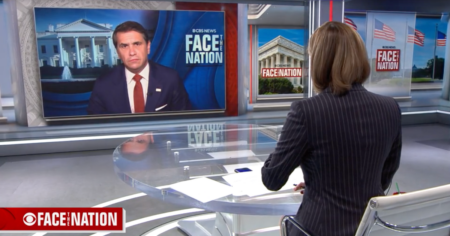
In an unprecedented move that’s raising eyebrows across the country, Immigration and Customs Enforcement agents started showing up at more than a dozen major airports nationwide this Monday. Their mission? To fill in for Transportation Security Administration officers who’ve been caught in the crossfire of a federal funding battle that’s left them without paychecks. White House Border Czar Tom Homan put it simply when speaking to ABC News: ICE agents are stepping in to “plug the holes of security” left by the TSA staffing crisis. But this isn’t just a straightforward personnel swap. President Trump made it clear that these ICE agents won’t be checking their law enforcement authority at the terminal door – they’ll continue enforcing immigration laws even while helping travelers get through security lines. It’s a dual role that’s already sparking concerns about how airport security will function moving forward and what travelers might experience when they head to catch their flights.
The President’s Vision and Controversial Guidance
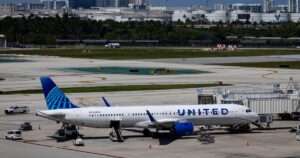
Standing on a Florida tarmac Monday, President Trump painted the ICE deployment as both a security solution and an enforcement opportunity. He described the agents as “a high-level group of people” who are excited about the chance to “arrest illegals as they come into the country,” calling airports “very fertile territory” for immigration enforcement. Still, he insisted that helping with airport operations was their primary purpose, though he didn’t rule out escalating the response even further if needed, mentioning the possibility of bringing in the National Guard. In a move that’s drawing particular attention, Trump took to social media with an unusual request: he asked ICE agents to take off their masks while working airport duty. His reasoning? The typical airport crowd consists of regular travelers, not the “hardened criminals” that agents might encounter in other enforcement situations. Trump argued that wearing masks gives the wrong impression to everyday people just trying to catch flights to visit family or return home. It’s a stark contrast to his support for masked agents during more intense enforcement operations, and it highlights one of the most contentious aspects of the administration’s immigration policies – the use of masks during ICE operations has become a flashpoint for critics nationwide.
What ICE Agents Will Actually Do at Airports
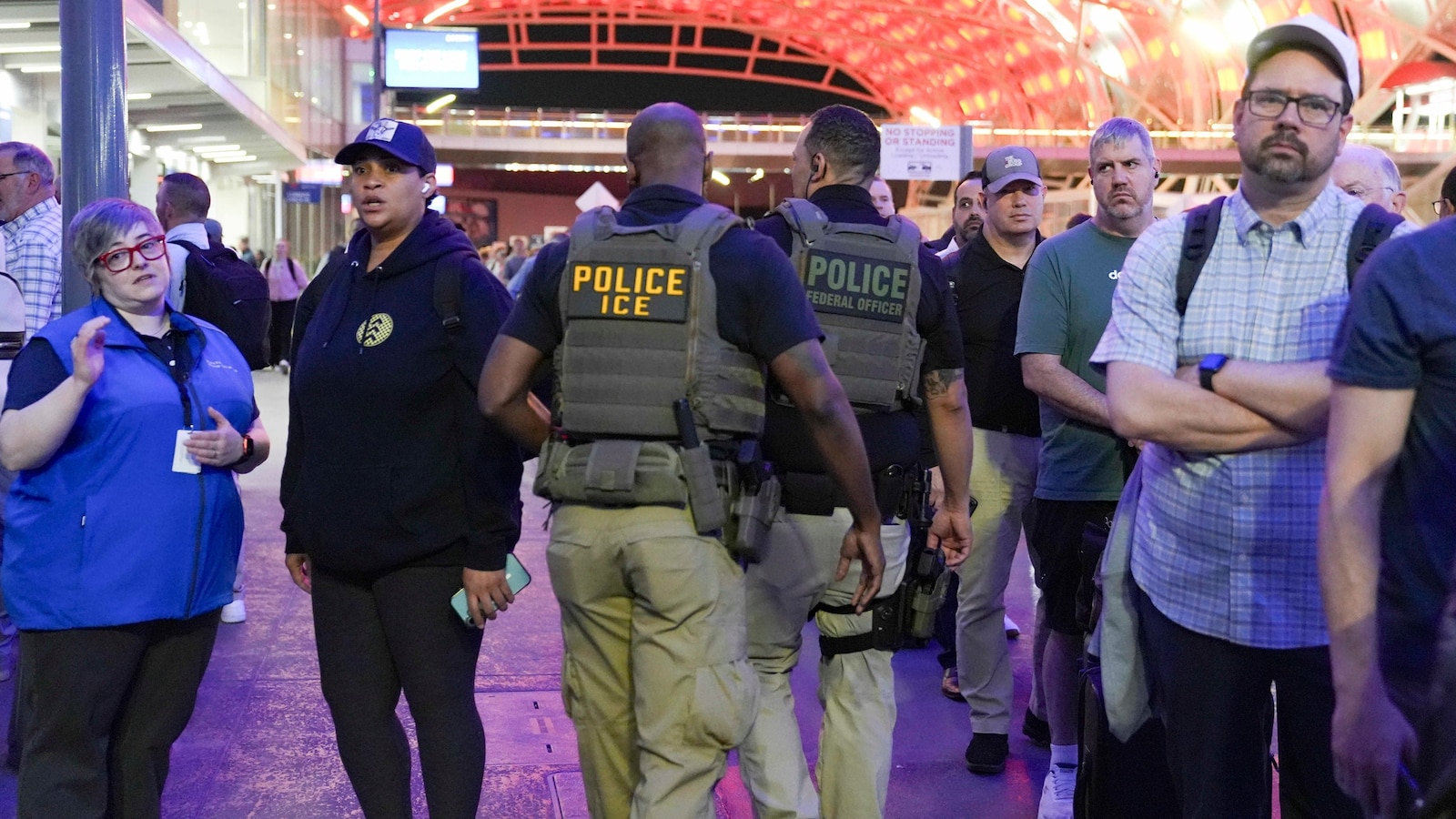
There’s been considerable confusion about exactly what role these ICE agents will play in airport operations, with administration officials sometimes seeming to contradict each other. Tom Homan explained that ICE agents aren’t trained for specialized TSA work like screening passengers or operating X-ray machines for carry-on luggage. Instead, they’ll handle what he called “non-significant roles” – things like guarding exits and checking identification before travelers enter screening areas. The idea is to free up trained TSA officers to focus on the technical security work that only they can do. However, Transportation Secretary Sean Duffy muddied the waters a bit when he suggested ICE agents actually do have experience with similar screening equipment from their work at the Southern border. The reality seems to be somewhere in between: ICE and Homeland Security Investigations already have a presence at airports for investigations into currency smuggling and human trafficking, so they’re familiar with some aspects of airport operations and certain types of screening equipment used for luggage and packages.
Immigration Enforcement Continues at the Gate
One thing that’s crystal clear is that ICE agents won’t be turning a blind eye to potential immigration violations just because they’re helping with airport crowd control. Homan emphasized that as sworn federal law enforcement officers, ICE agents will take action if they observe “illegal activity” of any kind – whether that’s human trafficking, alien smuggling, wanted individuals, or anyone who gives them reasonable suspicion of criminal activity. Of course, they’ll still need probable cause to make arrests, just like in any other law enforcement situation. This dual mandate is creating uncertainty for travelers and immigrant rights advocates alike. The sight of ICE agents at security checkpoints, even without masks, is likely to make some travelers nervous, particularly those from immigrant communities who might worry about being questioned or detained even if they’re traveling legally. It’s a situation that blends routine airport security with immigration enforcement in ways that haven’t been seen before on this scale.
The Funding Standoff Behind the Crisis
This unusual deployment of ICE agents to airports isn’t happening in a vacuum – it’s the direct result of a bitter political battle over Department of Homeland Security funding. Democrats have blocked DHS funding as leverage to push for reforms to ICE operations, responding to widespread concerns about the agency’s aggressive tactics that have triggered protests and lawsuits nationwide. The reforms Democrats are demanding include requiring ICE agents to wear body cameras, prohibiting them from wearing face masks during operations, and mandating that they obtain warrants signed by judges before entering homes or businesses. Republicans have rejected these proposals so far, creating a stalemate that’s having real consequences for federal workers and travelers alike. Here’s the complicated part: ICE actually remains funded through appropriations included in Trump’s tax and spending bill from last summer, but other critical DHS agencies like TSA, FEMA, and the Coast Guard are operating without funding. That’s why approximately 60,000 TSA officers have been working with partial pay for over a month, and as of last week, they’re receiving no paychecks at all. The human toll is mounting – more than 400 TSA officers have already quit, and others are calling in sick as they struggle to pay their bills without income.
What This Means for Travelers and the Future
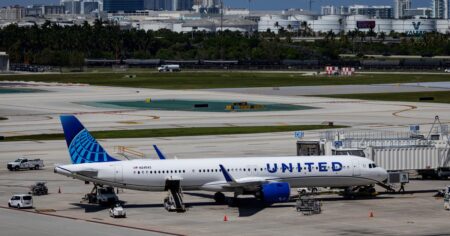
The practical impact of this situation is already visible at airports across the country. At Atlanta’s Hartsfield-Jackson International Airport on Monday morning, long security lines stretched outside the terminals as travelers faced delays and uncertainty. ICE agents were spotted helping with crowd control, but it’s clear that replacing trained, experienced TSA officers with agents from a different agency – even temporarily – creates challenges. Transportation Secretary Duffy acknowledged the unpredictability travelers now face, admitting that it’s difficult to know from day to day how long security lines will be or how early passengers need to arrive. Should you get to the airport an hour and a half before your flight, or play it safe with four hours? Nobody really knows until the day of travel. As this situation continues to unfold, travelers are caught in the middle of a political fight that shows no signs of quick resolution. The deployment of ICE agents to airports represents an improvised solution to a funding crisis, but it’s one that comes with its own complications – blending immigration enforcement with airport security in ways that raise questions about civil liberties, effective security practices, and the experiences of millions of Americans just trying to travel. Whether this arrangement is temporary or becomes the new normal may depend on how long lawmakers remain deadlocked over DHS funding and immigration policy reforms.