


Trump Extends Iran Deadline Again as Tensions Rise Over Strait of Hormuz
A Second Extension Amid Delicate Negotiations
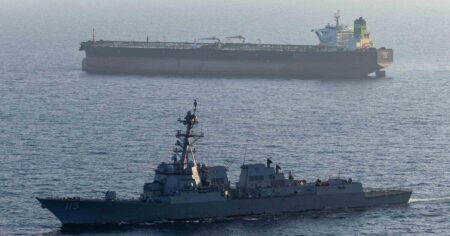
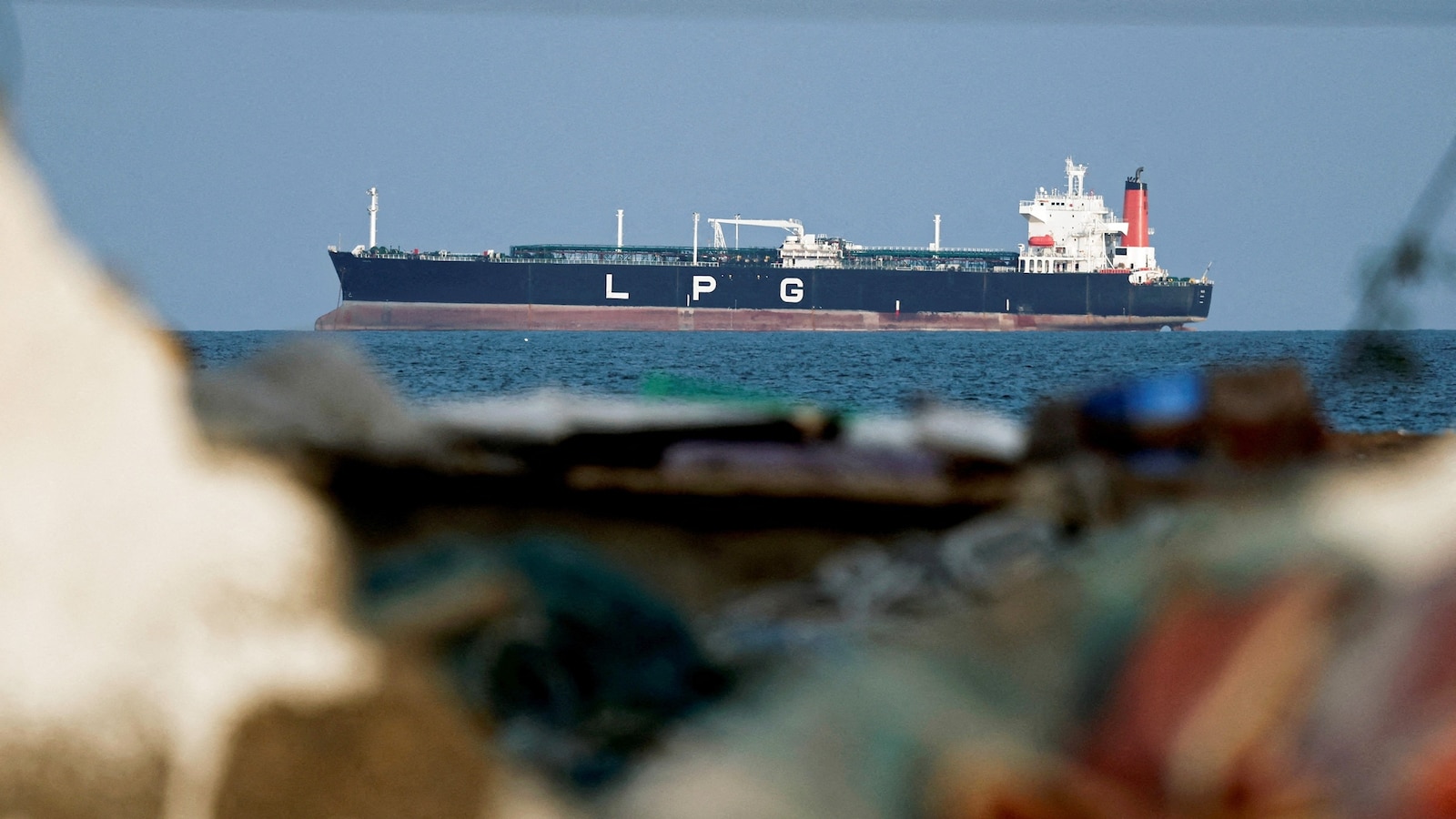
In an unfolding international crisis that has captivated global attention, President Donald Trump has once again pushed back his deadline for Iran to fully reopen the Strait of Hormuz to all international shipping. This marks the second extension this week, signaling both the severity of the situation and the potential progress being made in behind-the-scenes negotiations. Taking to social media on Thursday afternoon, Trump announced he was “pausing the period of Energy Plant destruction by 10 days” at Iran’s request, moving the deadline to April 6 at 8 p.m. Eastern Time. The president characterized the ongoing peace discussions as going “very well,” offering a glimmer of hope that this potentially explosive standoff might be resolved through diplomacy rather than further military action. This latest extension comes after Trump had already given Iran an additional five days beyond his initial Monday evening deadline, citing what he described as meaningful progress in peace negotiations. The stakes couldn’t be higher—the Strait of Hormuz is one of the world’s most critical maritime chokepoints, with roughly one-fifth of global oil supplies passing through its narrow waters.
The Cabinet Meeting Revelations and U.S. Negotiation Strategy
During his first Cabinet meeting since joint U.S.-Israel military operations against Iran began on February 28, President Trump provided rare insight into the administration’s thinking and the status of negotiations. The president made it clear that any further extensions would depend entirely on how talks with Iranian officials develop in the coming days. Vice President JD Vance and White House Special Envoy to the Middle East Steve Witkoff briefed Trump during the meeting on the current state of negotiations, following the United States sending Iran a comprehensive 15-point proposal aimed at ending the conflict. Trump revealed an interesting detail that he interpreted as a positive sign: Iran had allowed 10 oil tankers operating under the Pakistani flag to pass through the strait this week, which he described as a “present” and evidence that “we’re dealing with the right people.” However, the president also expressed frustration that Iran hadn’t taken these steps earlier, noting they “should have done that four weeks ago” or “when we first came into office.” His message was unambiguous: “We don’t want anything impeded. We want ships to go through.” The administration has been using Pakistan as an intermediary to communicate with Tehran, with the Pakistani government serving as the channel for transmitting the American peace proposal.
Iran’s Defiant Response and Conflicting Messages
The Iranian government’s public stance has been a mixture of defiance and selective cooperation, creating a complex picture of where negotiations actually stand. On Wednesday, Iran’s state media outlet Press TV quoted Iranian officials as rejecting the U.S. proposal, with regime representatives even denying that negotiations were taking place at all. Iranian Foreign Minister Abbas Araghchi delivered a particularly telling statement on state television, declaring that “Iran’s power is the Hormuz Strait” and explaining Iran’s position that the waterway isn’t completely closed—just closed to what Iran considers its “natural enemies.” Araghchi characterized the current situation as wartime, stating, “We are in a wartime situation; the region is a war zone. There is no reason to allow the ships of our enemies and their allies to pass, but it is free for the rest.” This position was echoed in a March 22 letter from Iran’s Ministry of Foreign Affairs to the United Nations’ International Maritime Organization, claiming the Strait of Hormuz remains open to “non-hostile” vessels. However, Iran’s state-aligned Tasnim news agency, which has connections to Iran’s Islamic Revolutionary Guard Corps, reported that Iran had actually responded to Trump’s 15-point plan Wednesday night, according to “an informed source.” This response reportedly outlined several Iranian conditions, including demands for an end to attacks and assassinations, guarantees that hostilities won’t resume, and compensation for damages suffered during the conflict. The source also indicated that Iran considers sovereignty over the Strait of Hormuz a “natural and legal right.”
Military Strikes Continue Despite Diplomatic Efforts
Even as diplomatic channels remain active, military operations have continued, demonstrating the dual-track approach the U.S. and its allies are taking. On Thursday morning, the Israeli Defense Forces announced a significant strike against Iranian military leadership, claiming they had “eliminated” Alireza Tangsiri, commander of Iran’s Islamic Revolutionary Guard Corps Navy, along with Behnam Rezaei, the head of Iranian naval intelligence. The IDF justified the strike by stating that Tangsiri was “responsible for attacks on oil tankers and commercial vessels and personally threatened the freedom of navigation and trade in the Strait of Hormuz.” According to the Israeli military, Tangsiri “led efforts to close the Strait of Hormuz and advanced terror attacks in the maritime domain” and was “one of the primary figures responsible for disrupting the global economy.” These strikes, occurring simultaneously with peace negotiations, illustrate the precarious nature of the current situation—where military pressure and diplomatic outreach are happening in parallel, each potentially influencing the other. The elimination of such high-ranking military figures could either push Iran toward the negotiating table or provoke retaliation that derails diplomatic progress entirely.
White House Optimism and Military Preparations
Despite the mixed signals and ongoing military operations, the Trump administration is projecting cautious optimism about the possibility of a diplomatic resolution. Steve Witkoff, speaking during Thursday’s Cabinet meeting, acknowledged the uncertainty while highlighting potential progress: “We will see where things lead and if we can convince Iran that this is the inflection point with no good alternatives for them other than more death and destruction. We have strong signs that this is a possibility.” Witkoff suggested that if an agreement is reached, “it will be great for the country of Iran, for the entire region and the world at large,” and noted that Iran appears to be “looking for an offramp following your powerful threat on Saturday.” That Saturday threat was particularly stark—Trump had posted on social media that if Iran didn’t “Fully OPEN, WITHOUT THREAT, the Strait of Hormuz, within 48 HOURS,” the United States would “hit and obliterate their various POWER PLANTS, STARTING WITH THE BIGGEST ONE FIRST!” However, even as diplomatic hopes remain alive, the administration is preparing for the possibility that negotiations might fail. According to sources familiar with the situation, elements of the 82nd Airborne Division, including combat troops, are being deployed to the Middle East for a possible ground operation in Iran. This military buildup serves both as insurance if diplomacy fails and as additional pressure on Iranian decision-makers to reach an agreement. White House press secretary Karoline Leavitt emphasized on Wednesday that the “remaining elements of the Iranian regime have another opportunity to cooperate with President Trump,” but warned that “President Trump does not bluff, and he is prepared to unleash hell.”
High Stakes for Global Economy and Regional Stability
The current standoff over the Strait of Hormuz carries enormous implications that extend far beyond the immediate parties involved. This narrow waterway, at its narrowest point only 21 miles wide, serves as a critical artery for global energy supplies, with approximately 21 million barrels of oil passing through it daily—roughly one-fifth of the world’s petroleum consumption. Any prolonged closure or significant disruption to shipping through the strait would send shockwaves through the global economy, dramatically increasing energy prices and potentially triggering broader economic instability. The shipping industry, insurance markets, and energy-dependent economies worldwide are watching developments with deep concern. Beyond the immediate economic considerations, the crisis represents a crucial test of American resolve and diplomatic skill in the Middle East. President Trump’s willingness to extend deadlines while maintaining military pressure demonstrates an approach that attempts to balance strength with flexibility, though critics might argue it shows inconsistency. His comment that Iran is “begging to make a deal” and that “otherwise, we’ll just keep bombing our little hearts out” captures the peculiar blend of brashness and negotiation that has characterized his administration’s foreign policy. The outcome of these negotiations will likely have lasting implications for regional power dynamics, with other nations closely observing whether direct confrontation with the United States leads to concessions or continued resistance. For Iran, the decision of whether to accept American terms or continue its closure of the strait to “hostile” nations represents a calculation of its own survival, regional influence, and national pride against the very real threat of devastating military consequences. As the April 6 deadline approaches, the world waits to see whether diplomacy or further military action will determine the resolution of this critical international crisis.