

Trump Administration Escalates Legal Pressure on New York Attorney General Letitia James
New Criminal Referrals Target Insurance Applications
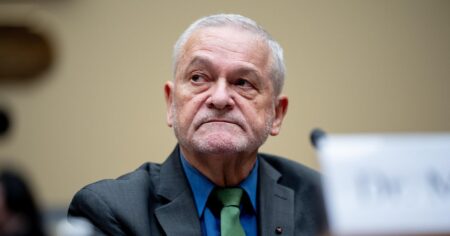
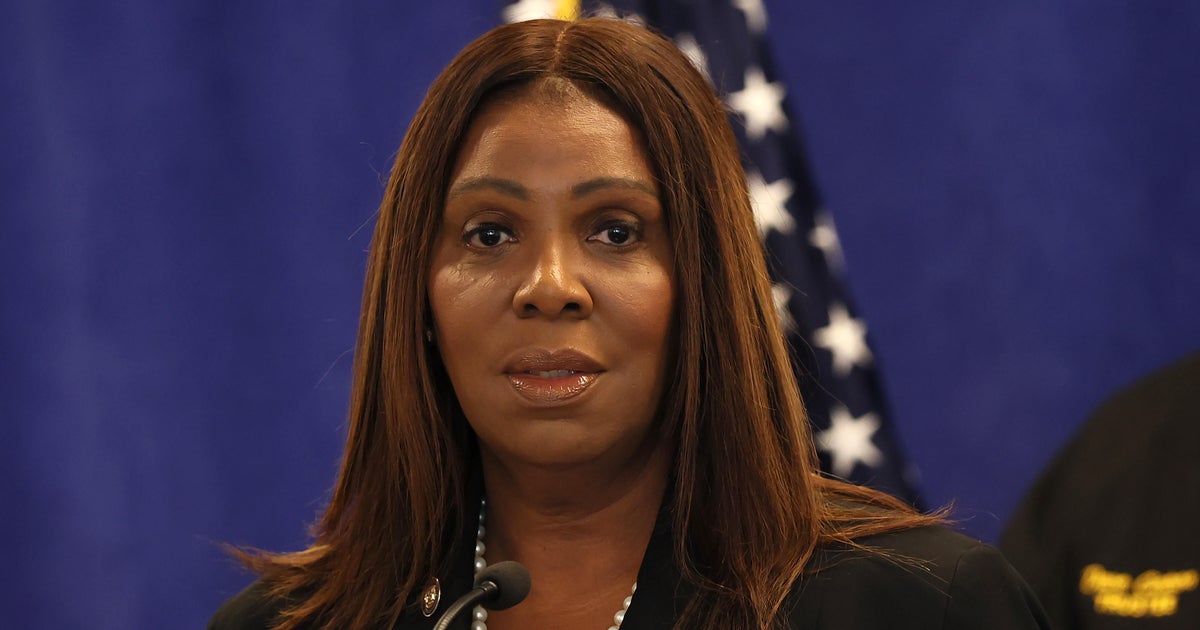
The ongoing battle between the Trump administration and New York Attorney General Letitia James has taken another turn, with federal officials making fresh criminal referrals against her. According to sources who spoke with CBS News, Bill Pulte, Director of the Federal Housing Finance Agency, has sent referrals to federal prosecutors in both Miami and Chicago, alleging possible insurance fraud. The allegations center on James’s homeowner’s insurance applications to two different companies. In a letter sent to prosecutors in Florida, Pulte suggested that James may have provided false information on her application to Universal Property Insurance, a company based in Fort Lauderdale. A similar referral was made regarding an application to Allstate, an Illinois-based insurance provider. These new allegations represent the latest chapter in what has become a protracted legal conflict between James and the Trump administration, which critics say has crossed the line from legitimate oversight into political persecution.
The timing and nature of these referrals raise significant questions about the motivations behind them. The prosecutors receiving these referrals are not random selections—they have connections to other politically sensitive investigations. Jason Reding Quiñones, the U.S. Attorney for the Southern District of Florida who received one of the referrals, is currently leading an investigation into Obama-era officials, including former CIA Director John Brennan. That investigation concerns an intelligence assessment that concluded Russia had interfered in the 2016 presidential election to benefit Donald Trump. Last year, Quiñones also requested records related to special counsel Jack Smith’s investigations into Trump. This web of interconnected investigations and the individuals involved paint a picture of a Justice Department that some argue has been weaponized for political purposes, targeting those who have opposed or investigated the president.
A Pattern of Legal Action and Dismissals
This isn’t the first time James has faced federal charges during Trump’s second term in office. Last fall, she was indicted on charges of bank fraud and making false statements to a financial institution. Those charges alleged that she had misrepresented information about a Virginia property to obtain more favorable mortgage terms. However, those charges were eventually dismissed by a federal judge, who ruled that the interim U.S. Attorney who brought the charges, Lindsey Halligan, had been appointed to her position unlawfully. The dismissal represented a significant setback for the Trump administration’s efforts to prosecute James. Following the dismissal, prosecutors attempted to revive the case, but two separate federal grand juries declined to re-indict James on the bank fraud charges, suggesting that the evidence presented may not have been as compelling as prosecutors believed.
The original bank fraud indictment had alleged that James purchased a house in Virginia in 2020 with a mortgage that required her to use the property as a second home. However, prosecutors claimed she instead rented it out and used it as an investment property, which would have allowed her to secure a lower mortgage rate. Interestingly, these charges stemmed from a different property than the one originally referenced in Pulte’s initial referral to the Justice Department, raising questions about how thoroughly the case had been investigated before charges were filed. The fact that grand juries twice declined to re-indict James suggests significant weaknesses in the prosecution’s case. Nevertheless, prosecutors have continued their pursuit, opening yet another investigation earlier this year that focuses on financial transactions between James and her long-time hairdresser, Iyesata Marsh. This investigation is being jointly conducted by the U.S. Attorney’s Offices in the Western District of Louisiana and the Northern District of New York, representing yet another front in the legal battle against James.
James and Her Attorney Respond to Allegations
Abbe Lowell, an attorney representing James, has been vocal in his criticism of what he characterizes as political persecution by the Trump administration. In response to the latest criminal referrals, Lowell issued a strong statement accusing the administration of “abusing their power to pursue a vendetta against her by trying to rename, refile, and repeat baseless allegations.” He characterized the Trump administration’s tactics as “desperate” and predicted that these efforts would fail just as previous attempts had failed. Lowell’s statement also condemned what he sees as an administration that has “abandoned its responsibility to the American people in favor of petty political payback.” This sentiment reflects a broader concern among Trump critics that the Justice Department and other federal agencies have been transformed into instruments of political revenge rather than impartial enforcers of the law.
James herself has consistently maintained her innocence and argued that she is being targeted for political reasons. Her position is that the Trump administration’s actions against her are retaliation for her previous legal actions against Donald Trump when he was a private citizen between his two terms as president. During that period, James sued Trump in civil court, alleging that he had lied about the value of his real estate assets. A New York judge found Trump and his company liable for fraud and initially ordered them to pay hundreds of millions of dollars, though an appellate court later overturned the financial judgment. This lawsuit and its outcomes provide important context for understanding why James might be targeted by Trump administration officials. From James’s perspective, she was simply doing her job as New York’s Attorney General by investigating potential fraud. From the Trump administration’s perspective, however, her actions may have been seen as politically motivated attacks that now warrant a response.
Concerns About Weaponization of Federal Agencies
James’s legal team has raised serious concerns about Bill Pulte’s role in this saga and his use of the Federal Housing Finance Agency as a tool for political warfare. In court papers filed last year, James’s attorneys accused Pulte of transforming the agency—which normally oversees mortgage giants Fannie Mae and Freddie Mac—into “a weapon to be brandished against President Trump’s political enemies.” This characterization suggests that federal agencies designed to serve specific regulatory functions are being repurposed to serve the president’s personal interests. The fact that Pulte has been so actively involved in making criminal referrals against James, rather than focusing on the FHFA’s traditional mission, lends credence to these concerns. According to CBS News reporting, Pulte has even sought a protective security detail due to alleged threats he received in connection with the James case, suggesting the controversy has become intense and personal.
The pattern of behavior exhibited by the Trump administration toward James fits into a broader narrative about the politicization of law enforcement and prosecution. When law enforcement and prosecutorial decisions appear to be driven by political considerations rather than genuine concerns about criminal conduct, it undermines public confidence in the justice system. The repeated failures to secure indictments or convictions against James, combined with the judge’s ruling that previous charges were brought by an unlawfully appointed prosecutor, suggest that these prosecutions may be more about political theater than legitimate legal concerns. Furthermore, the selection of prosecutors with ties to other politically sensitive investigations to receive these new referrals reinforces the appearance that politics, rather than evidence, is driving these decisions. This raises fundamental questions about the rule of law and the independence of the Justice Department.
The Broader Implications for American Democracy
The case of Letitia James represents more than just a legal dispute between a state attorney general and federal prosecutors. It raises profound questions about the use of federal law enforcement and prosecutorial power for political purposes, the independence of the Justice Department, and the ability of state officials to investigate wrongdoing by powerful political figures without fear of retaliation. If state attorneys general and other officials believe that investigating or prosecuting a president or his associates will result in federal prosecution against them, it creates a chilling effect that could undermine accountability. The American system of government relies on checks and balances, including the ability of state officials to investigate federal officials and vice versa. When that system breaks down due to political retaliation, it threatens the foundations of democratic governance.
The Justice Department has confirmed that its U.S. Attorney’s Offices have received the referrals, but the fact that previous attempts to prosecute James have failed repeatedly raises questions about whether these new referrals will result in charges, and if so, whether those charges will withstand judicial scrutiny. The pattern so far has been one of ambitious accusations followed by dismissals or grand juries declining to indict. As this legal saga continues to unfold, it will be watched closely by legal experts, political observers, and Americans concerned about the integrity of the justice system. Whether these latest referrals represent legitimate concerns about potential criminal conduct or merely another chapter in a politically motivated persecution campaign will ultimately be determined by the evidence presented and the decisions made by prosecutors and, potentially, judges and juries. What is clear, however, is that the relationship between the Trump administration and Letitia James has become one of the most significant ongoing conflicts over the proper use of prosecutorial power in recent American history.