


President Trump’s Historic Supreme Court Visit: A Constitutional Showdown Over Birthright Citizenship
A Presidential First in the Making
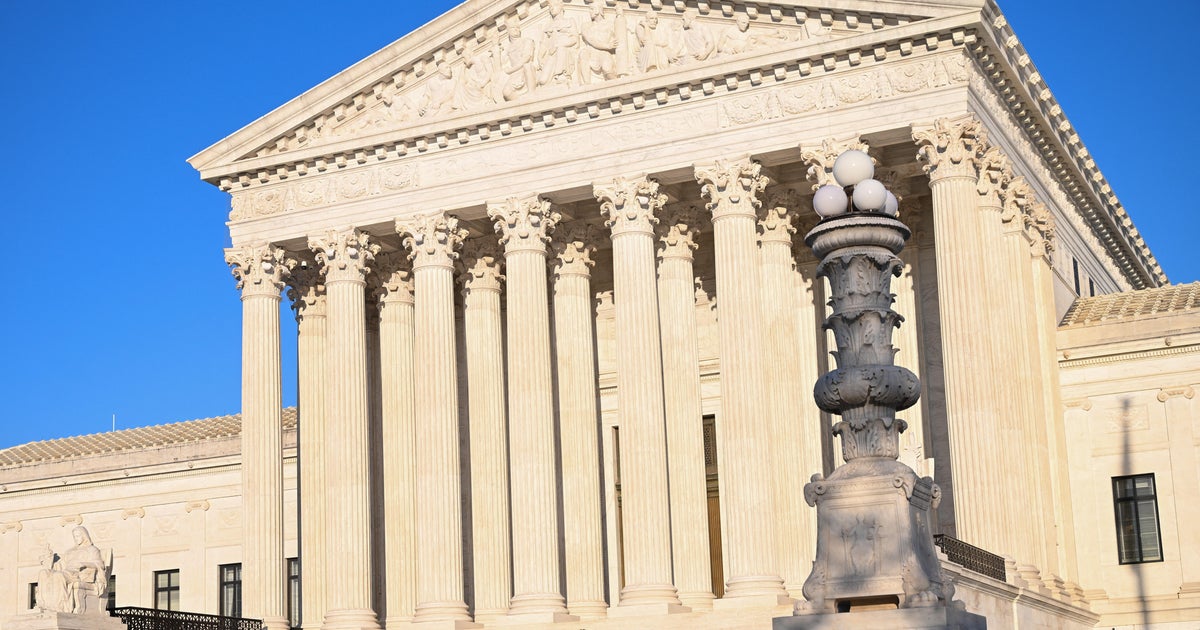
In what could mark an unprecedented moment in American legal history, President Donald Trump is preparing to personally attend oral arguments at the Supreme Court this Wednesday. The case at hand involves one of his most controversial executive orders—the attempted elimination of birthright citizenship for children born in the United States to undocumented or temporary immigrants. According to the White House’s official schedule, the President is expected to arrive at 10 a.m. to witness the proceedings firsthand. If he follows through with this plan, Trump would become the first sitting president on record to personally observe arguments at the nation’s highest court. This potential attendance isn’t entirely surprising, as Trump had previously hinted at his intentions earlier in the week when speaking with reporters. The very act of a president sitting in the Supreme Court chamber during arguments about his own policies raises fascinating questions about the separation of powers and the symbolic weight such a visit might carry.
The Executive Order That Sparked Constitutional Debate
The controversy centers on an executive order Trump signed within hours of returning to office, which fundamentally challenged a constitutional principle that has stood for over 150 years. The order sought to prevent automatic citizenship for babies born on American soil if their parents are undocumented immigrants or are in the country on temporary status. This bold move immediately triggered a cascade of legal challenges across the country, with opponents arguing it directly violates the Citizenship Clause of the 14th Amendment to the Constitution. That amendment, ratified in the aftermath of the Civil War, contains straightforward language: “All persons born or naturalized in the United States, and subject to the jurisdiction thereof, are citizens of the United States.” For generations, this clause has been interpreted to grant citizenship to virtually everyone born within U.S. borders, with only the narrowest of exceptions—primarily involving the children of foreign diplomats who are not fully subject to American jurisdiction. The President’s order has not actually gone into effect yet, as courts across the nation have blocked its implementation while the legal battles play out.
A Clash of Constitutional Interpretations
The heart of this legal dispute lies in fundamentally different interpretations of what the framers of the 14th Amendment intended when they wrote the Citizenship Clause in 1868. Trump administration officials have put forward a revisionist argument, claiming that the amendment has been misunderstood for decades. Their position holds that the Citizenship Clause was specifically crafted to address one particular historical situation—granting citizenship to formerly enslaved people and their descendants after the Civil War—and was never meant to apply to the children of people who entered the country illegally or temporarily. This reading represents a dramatic departure from how constitutional scholars, courts, and government officials have understood this provision for more than a century. Critics of the executive order argue that the language of the amendment is clear and unambiguous, and that the Trump administration’s interpretation requires ignoring the plain meaning of the words “all persons born” in the United States. They contend that if the framers had wanted to limit birthright citizenship only to certain categories of people, they would have written that explicitly into the constitutional text.
The Journey to the Supreme Court
This isn’t actually the first time the Supreme Court has dealt with Trump’s birthright citizenship order. The Court previously heard a case related to the executive order last year, but that earlier case sidestepped the central constitutional question. Instead of ruling on whether the order itself was constitutional, the justices focused on a narrower procedural issue—whether lower court judges had overstepped their authority by issuing overly broad injunctions that blocked the policy nationwide. Now, however, the Court is finally ready to confront the core question head-on: Does the President have the constitutional authority to redefine birthright citizenship through executive action? The stakes couldn’t be higher, as a ruling in Trump’s favor would fundamentally reshape American citizenship law and potentially affect millions of people. The Court is expected to issue its decision by July, meaning that within a few months, we’ll have a definitive answer to this constitutional question that has divided legal scholars, politicians, and the American public.
A Conservative Court with an Independent Streak
The Supreme Court currently has a solid 6-3 conservative majority, with three of those justices—Neil Gorsuch, Brett Kavanaugh, and Amy Coney Barrett—appointed by Trump himself. This might lead some to assume that the President’s position has a built-in advantage, but recent history suggests the picture is more complicated. Despite the conservative tilt of the Court, the justices have demonstrated a willingness to rule against the Trump administration when they believe the law requires it, regardless of political considerations. This judicial independence has clearly frustrated the President, who has publicly criticized the Court when it hasn’t ruled in his favor. Most notably, when the Supreme Court struck down many of Trump’s tariffs on foreign imports last month, the President responded with a scathing attack on social media, calling some of the conservative justices “an embarrassment to their families.” Such harsh criticism of the judiciary by a sitting president is highly unusual and breaks with longstanding norms about respecting the independence of the courts. Trump’s frustration was evident again when he predicted on Truth Social that “this supreme court will find a way to come to the wrong conclusion” in the birthright citizenship case as well, essentially preemptively attacking the Court in case it rules against him.
The Significance of Presidential Attendance
President Trump’s contemplation of attending Supreme Court arguments isn’t entirely new. Last year, when the Court was considering the legality of his tariff policies, Trump told reporters he felt he had “an obligation to go” and witness the proceedings. However, he ultimately decided against attending, explaining on Truth Social that he didn’t “want to distract from the importance of this Decision.” If he does attend Wednesday’s arguments in the case formally known as Trump v. Barbara, it would send a powerful signal about how crucial this issue is to his political agenda and his vision for reshaping American immigration policy. The image of a sitting president in the Supreme Court chamber, watching as lawyers debate the constitutionality of his own executive action, would be historic and symbolically loaded. It could be interpreted as the President showing respect for the judicial process, or conversely, as an attempt to intimidate or influence the justices. Regardless of his motivations, Trump’s potential presence would make an already high-profile case even more dramatic and would underscore just how central the question of birthright citizenship has become to the broader national debate over immigration, citizenship, and what it means to be an American in the 21st century.