


Rising Tensions: Trump Considers Military Action Against Iran
The President’s Stark Warning
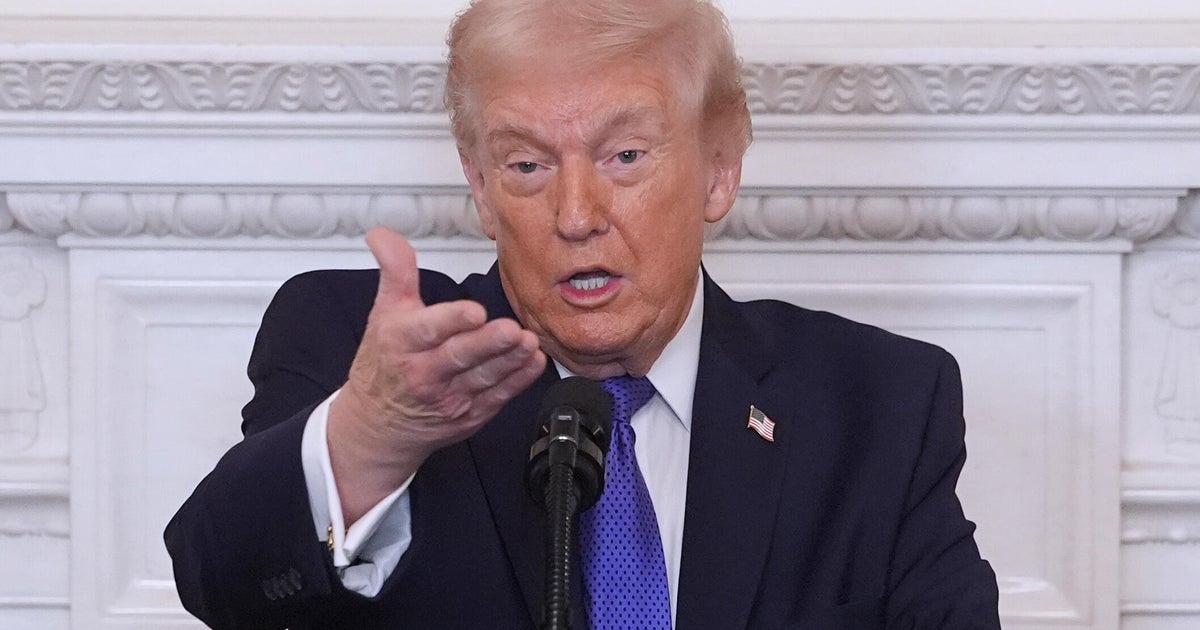
In a moment that sent shockwaves through diplomatic circles, President Trump openly acknowledged that he’s weighing the possibility of launching a limited military strike against Iran. Speaking to reporters on Friday during a meeting with state governors, the president confirmed what many had suspected when asked directly about potential military action. “I guess I can say I am considering that,” Trump stated, his words hanging in the air before journalists were quickly escorted from the room. The abrupt end to the exchange left many questions unanswered, but the message was unmistakably clear: the United States is seriously contemplating military intervention. This isn’t just political posturing or empty threats—behind the scenes, the American military machine is already positioning itself throughout the Middle East, preparing for what could become a significant escalation in one of the world’s most volatile regions.
Military Preparations Underway
The pieces on the geopolitical chessboard are moving rapidly. According to CBS News sources with intimate knowledge of the ongoing discussions, the president hasn’t yet made his final decision about whether to pull the trigger on military strikes. However, top national security officials have made it abundantly clear to Trump that the U.S. military stands ready to execute potential strikes as early as this Saturday. The level of preparedness indicates just how seriously the administration is taking this potential course of action. Military assets are being positioned, contingency plans are being refined, and commanders are awaiting the green light. That said, sources suggest that even if the president does authorize action, the actual timeline for any strikes would likely extend beyond this weekend, giving diplomacy a few more precious days to potentially defuse the situation. The military buildup in the region represents a significant show of force, sending an unmistakable signal to Tehran that Washington’s patience is wearing dangerously thin.
The Ultimatum: Ten Days and Counting
President Trump has never been known for subtle diplomacy, and his approach to Iran follows that pattern. Earlier this week, he delivered what amounts to an ultimatum to the Iranian leadership: they have somewhere between 10 to 15 days to reach an agreement on their nuclear program. The clock is ticking, and the president has made it painfully clear what he believes will happen if that deadline passes without a deal. “Bad things” is how Trump characterized the potential consequences—a deliberately vague phrase that nonetheless carries ominous implications. The language is typical of Trump’s negotiating style: create pressure, establish a deadline, and leave the consequences somewhat ambiguous to maximize leverage. For Iran’s leaders, the challenge is determining whether this is a genuine red line or another round of maximum pressure tactics. The stakes couldn’t be higher, as miscalculation on either side could lead to a military confrontation with unpredictable consequences.
A Fork in the Road
Speaking at the inaugural meeting of his Board of Peace—an event that also addressed security concerns in Gaza—President Trump laid out what he sees as two distinct paths forward for Iran. His message oscillated between offering an olive branch and wielding a stick, reflecting the complex dance of diplomacy and deterrence. “Now is the time for Iran to join us on a path that will complete what we’re doing,” Trump explained to those gathered. He continued with a statement that perfectly captures his approach to international relations: “And if they join us, that’ll be great, if they don’t join us, that’ll be great, too. But it’ll be a very different path.” The president’s words contain both invitation and warning. He emphasized that Iran cannot continue threatening the stability of the entire region—a reference to Iran’s support for various militant groups and its ongoing nuclear activities. The message is clear: make a deal, or face the consequences. Trump even seemed to acknowledge the possibility that negotiations might fail, saying he could understand if it doesn’t happen, but immediately adding that “bad things will happen if it doesn’t.”
The Regional Context
This latest crisis doesn’t exist in a vacuum. The Middle East remains a powder keg of competing interests, sectarian tensions, and long-standing conflicts. Iran’s influence stretches across the region through proxy forces in Lebanon, Syria, Iraq, and Yemen. The country’s nuclear program has been a point of international concern for decades, with previous agreements meant to constrain it becoming political footballs in American domestic politics. The 2015 nuclear deal, which Trump withdrew from during his previous term, was designed to limit Iran’s nuclear capabilities in exchange for sanctions relief. Since that withdrawal, Iran has gradually expanded its nuclear activities, enriching uranium to levels that bring it closer to weapons-grade material. For neighboring countries, particularly Israel and Saudi Arabia, an Iranian nuclear weapon represents an existential threat. The Trump administration’s approach appears designed to force Iran back to the negotiating table with a deal that addresses not just nuclear issues but also Iran’s ballistic missile program and regional activities—a much broader agenda than previous negotiations.
What Happens Next
As the world watches and waits, several scenarios could unfold in the coming days and weeks. Diplomacy could still prevail if Iran decides that the threat of military action is credible enough to warrant serious negotiations. Back-channel communications between the two nations might be happening even as public rhetoric remains heated. Alternatively, Trump could authorize limited strikes targeting specific military or nuclear facilities, hoping to degrade Iran’s capabilities without triggering a wider war—though history shows such calculations often go awry. There’s also the possibility that the deadline passes with neither agreement nor military action, revealing Trump’s threats as bluffs and potentially weakening American credibility. What’s certain is that the next two weeks will be critical. Allied nations are likely urging restraint while preparing for potential fallout. Iran’s leadership must weigh whether defiance or negotiation better serves their interests. And military planners on both sides are gaming out scenarios and counter-scenarios. For ordinary people in both Iran and across the Middle East, the uncertainty creates real anxiety about whether their region is about to plunge into another devastating conflict. The world has seen before how quickly situations in the Middle East can spiral from tense standoffs to active warfare, and nobody can predict with certainty where this confrontation will lead.