

President Trump Plans Prime-Time Address on Iran Conflict
A Nation Awaits Critical Update on Middle East Tensions
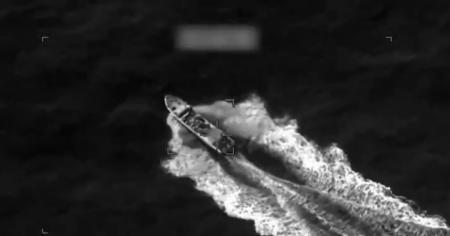
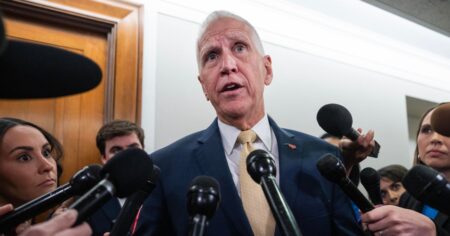
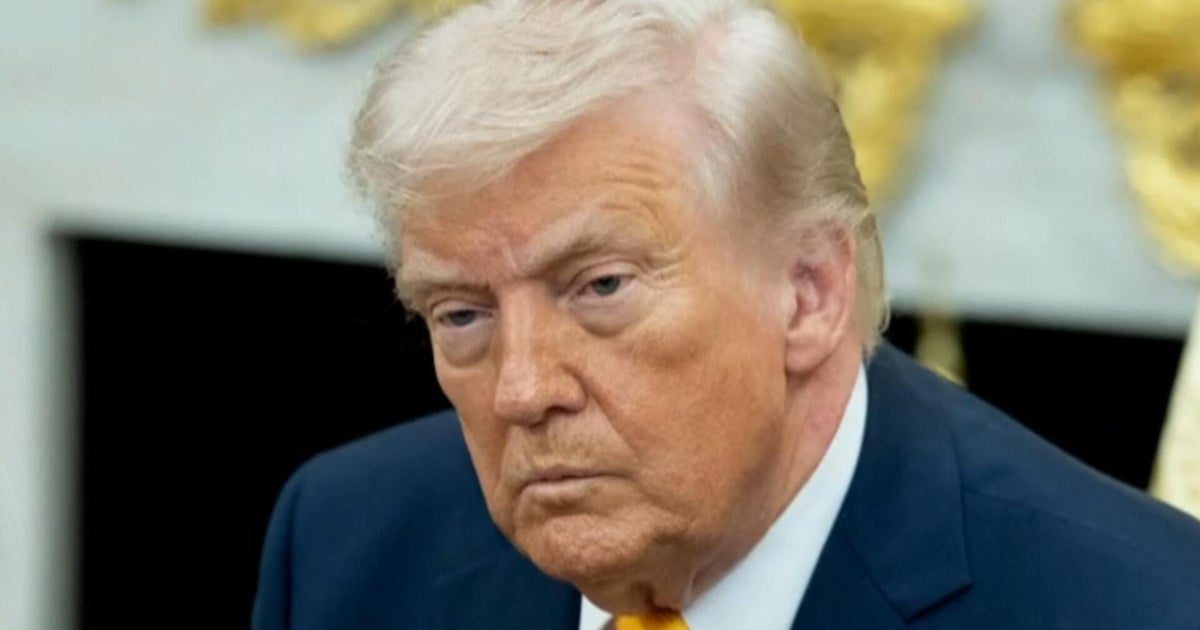
President Trump is set to address the American people Wednesday evening at 9 p.m. ET with what the White House is calling “an important update on Iran.” The announcement, made by White House Press Secretary Karoline Leavitt via social media, has left many wondering what exactly the President will reveal during this prime-time moment. While details remain scarce, the timing couldn’t be more significant. The United States finds itself at a crossroads in its monthlong conflict with Iran, and Americans across the country are anxious to hear where things stand. The address comes as the President publicly signals his desire to reach a diplomatic agreement with Iran and bring the military engagement to a close within weeks, even as he privately considers more aggressive options, including the possible deployment of ground forces. Defense Secretary Pete Hegseth added to the sense of urgency earlier Tuesday, stating that “the upcoming days will be decisive” – a statement that suggests major decisions are imminent and the situation could shift dramatically in either direction very soon.
Trump Predicts Swift Resolution to Iran Conflict
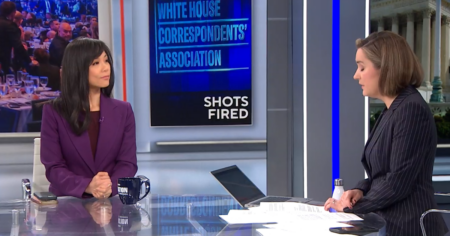
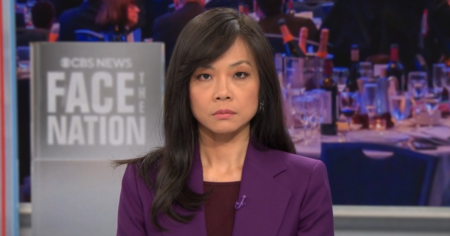
In remarks to reporters Tuesday afternoon, President Trump expressed confidence that the conflict with Iran could conclude in as little as “two weeks, maybe three.” His optimism stems from what he describes as substantial progress in degrading Iran’s military capabilities, which he views as the United States’ primary objective in this confrontation. The President’s timeline suggests he believes the military pressure campaign has been effective enough to bring Iran to the negotiating table on American terms. However, his comments also revealed a strategic shift in how the United States might approach regional security going forward. Trump made it clear that he expects other nations, particularly those dependent on Middle Eastern oil, to take greater responsibility for protecting their own energy supplies. When it comes to the Strait of Hormuz – the vital waterway through which roughly a fifth of the world’s oil supply passes – the President hinted that America may not be willing to play the leading role in reopening it after Iran effectively closed it down. While he told CBS News reporter Weijia Jiang that he isn’t ready to withdraw U.S. forces from efforts to pressure Iran to reopen the strait “quite yet,” he emphasized that other countries “have to come in and take care of it,” signaling a potential pivot toward burden-sharing with international partners who have just as much, if not more, at stake in keeping Middle Eastern oil flowing.
Behind-the-Scenes Negotiations and Military Preparations
The situation with Iran has become increasingly complex, with diplomatic efforts happening alongside military preparations. President Trump has recently expressed cautious optimism about peace talks between the United States and Iran, though the diplomatic picture remains somewhat murky. Iranian officials have publicly denied that formal negotiations are taking place, yet they have confirmed that messages have been exchanged between the two nations through intermediaries. This indirect communication channel is typical of sensitive diplomatic situations where neither side wants to appear weak or too eager to compromise before their domestic audiences. The use of mediators allows both countries to explore possible agreements while maintaining plausible deniability if talks break down. Meanwhile, the military dimension of this crisis continues to expand in ways that give President Trump multiple options for escalating if diplomacy fails. CBS News has reported that hundreds of U.S. Special Operations Forces, including elite Navy SEALs and Army Rangers, are now positioned in the Middle East, joined by Marines and Army paratroopers. This significant military presence isn’t just for show – it represents real operational capability that could be deployed quickly if the President decides to expand the scope of military action. Earlier this month, Pentagon officials began developing detailed plans for potential ground operations inside Iran, a dramatic escalation that would mark a new and dangerous phase in the conflict.
High-Stakes Options Under Consideration
Among the more dramatic military options reportedly under discussion is a high-risk Special Operations mission to seize Iran’s stockpile of highly enriched uranium – the material that could potentially be used to build nuclear weapons. Sources told CBS News earlier this month that the Trump administration has been strategizing about whether such a mission would be feasible, though the President hadn’t appeared to make a final decision at that point. Such an operation would be extraordinarily dangerous, requiring American special forces to penetrate deep into Iranian territory, locate and secure nuclear materials, and extract them – all while under potential attack from Iranian military forces. The fact that this option is even being seriously discussed indicates how concerned the administration is about Iran’s nuclear program and how willing they might be to take significant risks to neutralize that threat. Another target that’s been the subject of public discussion is Kharg Island, a strategically vital Iranian facility that handles the vast majority of the country’s oil exports. Striking this location would have enormous economic consequences for Iran, potentially crippling their ability to sell oil and generate revenue. The President himself weighed in on these potential targets in characteristically blunt fashion through a Truth Social post on Monday, where he laid out what could happen if diplomatic efforts fail.
Presidential Ultimatum and Escalation Threats
In his Monday social media post, President Trump acknowledged that “great progress has been made” but then outlined a stark ultimatum for Iran. If a deal isn’t reached shortly – which he believes “probably will be” – and if Iran doesn’t immediately reopen the Strait of Hormuz for business, Trump threatened to conclude America’s involvement in Iran by launching devastating strikes. His list of potential targets was extensive and alarming: all of Iran’s electric generating plants, oil wells, Kharg Island, and possibly even the country’s desalinization plants. The inclusion of desalinization facilities is particularly noteworthy because these plants provide fresh drinking water in a region where water scarcity is already a critical issue. Trump pointed out that the United States has “purposefully not yet ‘touched'” these targets, implying that America has been showing restraint but that patience has limits. The President’s public threat serves multiple purposes – it’s meant to pressure Iran into reopening the strait and agreeing to U.S. terms, it signals to American allies that the United States is serious about protecting its interests, and it prepares the American public for the possibility of more extensive military action if diplomacy fails. Whether this represents genuine intent or negotiating tactics remains to be seen, but the specific nature of the threats suggests serious military planning has been done.
What Wednesday’s Address Might Reveal
As Americans await Wednesday night’s prime-time address, speculation runs high about what President Trump will announce. Will he reveal that a breakthrough has been achieved in negotiations with Iran, potentially bringing the conflict to a peaceful conclusion? Will he announce expanded military operations, including the deployment of ground forces or strikes against new targets? Or will the address fall somewhere in between, updating the public on progress while keeping all options on the table? The President’s communication style tends toward the dramatic, and choosing prime-time for this address suggests he has something significant to say. The timing is critical – coming at a moment when military forces are in position for expanded operations, when diplomatic channels are reportedly active, and when international pressure is mounting for some kind of resolution. Whatever Trump announces will have profound implications not just for U.S.-Iran relations, but for the broader Middle East, global oil markets, and America’s role in the region going forward. The American people, along with allies and adversaries around the world, will be watching closely to see whether this address marks a turning point toward peace or signals an escalation in the conflict. One thing seems certain: the decisions made in the coming days will shape Middle Eastern geopolitics for years to come.