


Royal Guests Set to Grace the White House Amid Transatlantic Tensions
A Month of Monarchs at 1600 Pennsylvania Avenue
The White House is preparing for an unusual diplomatic season next month, with not just one but two European monarchs scheduled to visit President Trump. King Charles III of the United Kingdom is expected to arrive sometime in April, marking a significant moment in U.S.-British relations. Additionally, King Willem-Alexander and Queen Máxima of the Netherlands will make their way to Washington for what promises to be a historic visit. The timing of these royal visits is particularly noteworthy as they come during a period of considerable strain between the United States and its traditional European allies. While the White House has not released extensive details about King Charles’s visit, the fact that both monarchs are making the journey to America’s capital within the same month signals the importance both nations place on maintaining strong diplomatic ties with the United States, even during turbulent times.
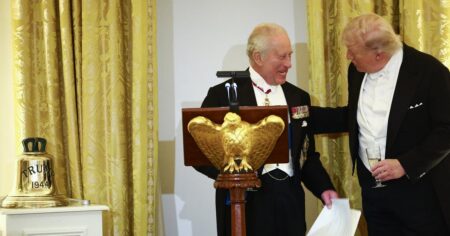
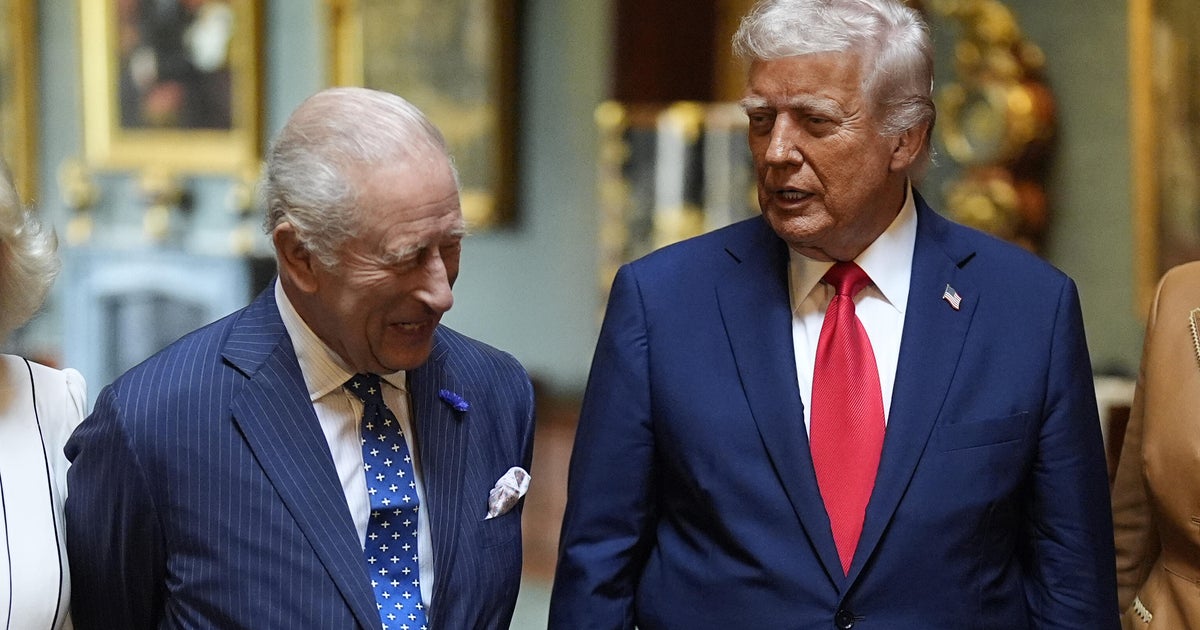
The relationship between President Trump and the British royal family has evolved over recent years, with the president having already made significant inroads with the monarchy. Last September, Trump traveled to London for a state visit that included all the pomp and circumstance befitting such an occasion. The highlight of that trip was an elaborate state dinner hosted by King Charles III and Queen Camilla at the historic Windsor Castle, located just outside London. The event was attended by other senior members of the royal family, including Prince William and his wife Catherine, the Princess of Wales, demonstrating the importance the British monarchy placed on cultivating a positive relationship with the American president. These prior interactions have laid the groundwork for King Charles’s upcoming visit to Washington, suggesting a continued effort by both nations to strengthen their historical “special relationship” despite political disagreements that have emerged on various policy fronts.
The Dutch Royal Couple’s Historic Overnight Stay
The visit from the Dutch royal couple carries its own unique significance, particularly because King Willem-Alexander and Queen Máxima will be staying overnight at the White House itself—an extraordinarily rare honor in modern diplomatic protocol. Typically, visiting heads of state and dignitaries are accommodated at Blair House, the government-owned guest residence located conveniently across the street from the White House. Blair House was purchased by the U.S. government during World War II specifically to serve this purpose, and it has hosted countless world leaders over the decades. The decision to have the Dutch royals stay within the White House itself therefore represents an exceptional gesture of hospitality and respect, underscoring the value the Trump administration places on the relationship with the Netherlands.
This visit actually represents a reciprocation of hospitality previously extended to President Trump. During a trip to the Netherlands last June, Trump was hosted by King Willem-Alexander and Queen Máxima at Huis ten Bosch Palace, one of the royal residences located in The Hague. By inviting the Dutch monarchs to stay at the White House, Trump is returning the favor in kind, maintaining the diplomatic tradition of reciprocal state visits. According to the Dutch National Information Service (known as RVD), the royal couple’s American tour will extend beyond Washington to include stops in Philadelphia and Miami. The RVD has indicated that the primary focus of this working visit is to strengthen and “underline economic relations” between the two nations, suggesting that trade, investment, and business partnerships will feature prominently in discussions. This economic emphasis is particularly timely given the global economic uncertainties that have emerged from recent geopolitical tensions.
A Celebration of Shared History
The timing of these royal visits carries symbolic weight that extends beyond immediate diplomatic concerns. Next year marks the 250th anniversary of the signing of the Declaration of Independence, when thirteen American colonies declared their separation from British rule to form a new nation. Ironically, many of those original colonies were settled by immigrants from both Britain and the Netherlands, making both nations integral to America’s founding story. The Netherlands, in particular, holds a special place in early American history—New York City was originally New Amsterdam, a Dutch colonial settlement, and Dutch influence shaped much of the early development of what would become the United States. By hosting these monarchs now, the Trump administration may be setting the stage for broader commemorations of this historic milestone, acknowledging the complex historical relationships that bind these three nations together despite their revolutionary past.
The symbolism of former colonial powers visiting the nation that broke away from European control cannot be understated. These visits represent how far diplomatic relations have evolved over two and a half centuries—from colonial subjects and imperial rulers to equal partners and allies. The fact that these visits are happening in the lead-up to America’s 250th birthday celebration suggests they may be part of a broader diplomatic strategy to reinforce transatlantic bonds and highlight the shared democratic values that now unite these nations. Despite the revolutionary break that created the United States, the cultural, economic, and political ties between America and both Britain and the Netherlands have proven enduring and mutually beneficial throughout the subsequent centuries.
Growing Tensions With European Allies
Despite the diplomatic pleasantries that these royal visits represent, they are taking place against a backdrop of increasingly strained relations between the Trump administration and European leaders. Multiple policy disagreements have created friction in what has historically been one of the world’s most stable alliance systems. Chief among these tensions is the ongoing war with Iran, which has effectively closed the strategically vital Strait of Hormuz and sent energy prices soaring worldwide. Many European nations have expressed strong opposition to the military action against Iran, finding themselves caught between their alliance with the United States and their own strategic interests in the Middle East. This conflict has exposed significant differences in how America and Europe view the use of military force and regional stability.
NATO Secretary General Mark Rutte addressed some of these tensions during an appearance on “Face the Nation with Margaret Brennan,” explaining that the strikes against Iran were launched without prior consultation with European allies due to “security and safety” concerns. Rutte acknowledged that “it is only logical that European countries needed a couple of weeks to come together” in response to the American action. However, he also pointed to progress in alliance coordination, noting that since Thursday, twenty-two countries—most of them NATO members, but also including Japan, Korea, Australia, New Zealand, Bahrain, and the UAE—have united to address three critical questions: “what do we need? When do we need it? And where do we need it?” This coalition is working to answer President Trump’s call to ensure the security of free navigation through the Strait of Hormuz, demonstrating that despite initial discord, the alliance is attempting to present a united front.
The European economy has been particularly hard hit by the energy crisis resulting from the Iranian conflict, coming as it does while the continent is still struggling to recover from energy disruptions caused by the Russian invasion of Ukraine four years ago. This double blow to European energy security has created enormous economic pressure on European governments, making them understandably cautious about any actions that might further destabilize energy markets. Beyond Iran, President Trump’s rhetoric regarding Greenland has also created diplomatic headaches. While his public statements about the semi-autonomous Danish territory have recently cooled somewhat, there are no indications that the administration plans to abandon its demands for increased NATO defense operations in the Arctic region. This has put Denmark in a difficult position, and earlier this year, the Netherlands publicly expressed support for Denmark, emphasizing Greenland’s right to self-determination—a subtle but clear pushback against American pressure.
The British Prime Minister and the Churchill Comparison
The tensions between the United States and its European allies have even affected the traditionally close U.S.-UK relationship. President Trump recently made headlines when he criticized British Prime Minister Keir Starmer, declaring that he is “no Winston Churchill” because of Starmer’s refusal to join the American military campaign against Iran. This comparison to Churchill—Britain’s legendary wartime leader who stood alongside America against Nazi Germany—was clearly intended to shame Starmer for not supporting U.S. military action. The comment reflects Trump’s frustration that even Britain, America’s closest traditional ally, has declined to participate in the Iranian war. This public criticism of a sitting British Prime Minister is unusual in modern diplomacy and highlights just how significant the policy disagreements between Washington and European capitals have become.
Despite this tension between President Trump and Prime Minister Starmer, King Charles’s planned visit to the White House indicates that the British government is working to maintain the overall relationship between the two nations. The British monarchy, while ceremonial in its governmental role, serves an important diplomatic function in maintaining international relationships that transcend the political disagreements of the moment. By sending King Charles to visit President Trump, Britain is signaling that whatever policy differences may exist between the two governments, the fundamental relationship between the American and British people remains strong and important. This ability to separate day-to-day political disputes from deeper strategic partnerships is one of the key functions of constitutional monarchies in modern diplomacy. The royal visit allows both nations to showcase their enduring friendship and shared values while their elected leaders work through more contentious policy issues behind the scenes. As these two monarchs prepare to visit Washington next month, they carry with them not just the symbolic weight of their crowns, but the hopes of their nations that the transatlantic alliance can weather current storms and emerge stronger on the other side.