


Deadly Attack Near Israeli Consulate in Istanbul: Nine Suspects Detained
Overview of the Incident
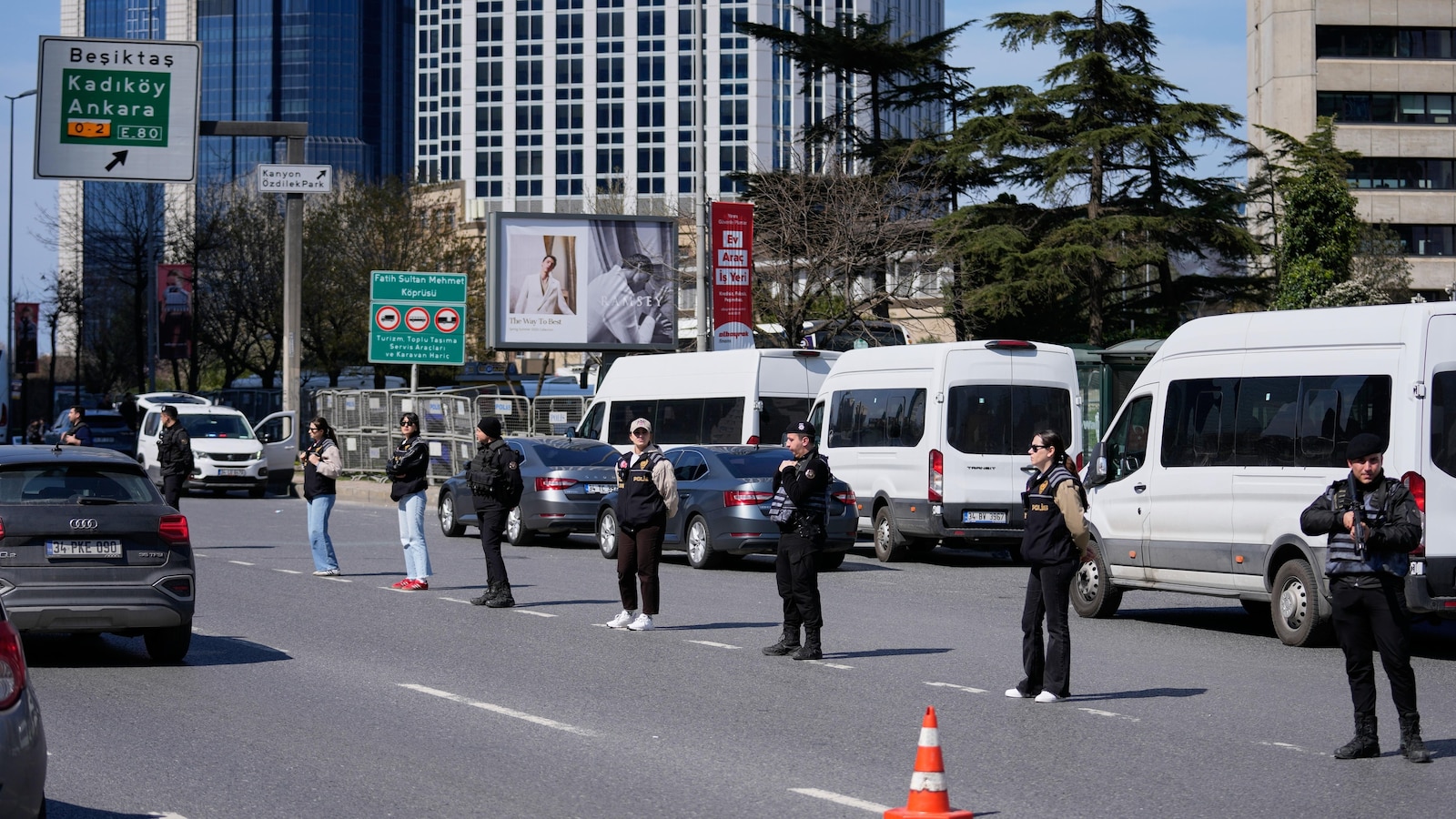
A violent confrontation unfolded in the heart of Istanbul’s bustling financial district on Tuesday, sending shockwaves through Turkey’s largest city and raising fresh concerns about regional security tensions. The attack, which took place outside a building that houses the Israeli Consulate, resulted in a fierce gun battle between armed assailants and Turkish police officers. When the smoke cleared, one attacker lay dead, two others were wounded and taken into custody, and two police officers suffered minor injuries during the exchange of gunfire. Turkish authorities wasted no time launching a comprehensive investigation into the incident, which appears to have been a planned assault on the diplomatic facility. By Wednesday, state-run news agency Anadolu reported that security forces had expanded their dragnet significantly, detaining nine additional suspects across multiple provinces in coordinated operations designed to uncover the full scope of the attack and any potential network behind it.
The Expanding Investigation and Arrests
The swift response by Turkish security forces demonstrated the seriousness with which authorities are treating this attack. The investigation quickly expanded beyond Istanbul’s city limits, with law enforcement conducting simultaneous operations in three different locations. Besides the main operations in Istanbul itself, security teams moved into action in Konya and Kocaeli provinces, casting a wide net to capture anyone potentially connected to the assault. The nine newly detained individuals are now facing intensive questioning alongside the two wounded attackers who were captured at the scene. Turkish investigators are working methodically to piece together the planning stages of the attack, the motivations behind it, and whether the suspects belong to a larger organizational structure. While authorities have been somewhat tight-lipped about specific details regarding the detained suspects, the geographic spread of the arrests suggests investigators believe the attack involved coordination across different regions of Turkey, rather than being the work of isolated individuals acting spontaneously.
Details About the Attackers
Turkish Interior Minister Mustafa Ciftci provided some revealing information about the assailants and their possible connections during his public statements following the attack. He disclosed that the attackers had made their way to Istanbul from Izmit, a city located in Kocaeli province, traveling in a rented vehicle—a detail that suggests some degree of premeditation and planning. Perhaps most significantly, Minister Ciftci indicated that at least one of the attackers had established connections to what he described as a group that “exploits religion,” though he stopped short of explicitly naming the organization in question. This carefully worded statement has led analysts and observers to speculate about possible links to extremist groups that have historically operated in the region. Turkey has unfortunately been no stranger to attacks by the Islamic State group, which has carried out several deadly assaults on Turkish soil in previous years, making this a natural focus of investigative concern. Adding another layer to the story, authorities revealed that the two wounded assailants who were captured are actually brothers, identified by Turkish media following local privacy conventions as Onur C. and Enes C. Investigators also uncovered that Onur C., the elder or first-mentioned brother, has a previous criminal history related to drug offenses, though it remains unclear how or whether this background connects to the current attack.
The Israeli Consulate and Diplomatic Context
The timing and target of this attack cannot be understood without considering the broader diplomatic landscape between Turkey and Israel. The Israeli Consulate in Istanbul, while an established presence in Turkey’s largest city, has been operating under unusual circumstances in recent months. Israel had proactively withdrawn its diplomatic personnel from Turkey over growing security concerns and the rapidly deteriorating state of relations between Ankara and Jerusalem. These tensions escalated sharply following the outbreak of the war in Gaza, which has strained Israel’s relationships with numerous countries throughout the region and beyond. Turkish officials confirmed that at the time of Tuesday’s attack, the consulate building was not functioning in its normal capacity—the facility was closed, and no Israeli diplomatic staff were present inside. This fact may have prevented what could have been a far more tragic outcome had the building been fully operational with staff members inside during the assault. The empty status of the consulate raises questions about the attackers’ knowledge of the building’s operational status and whether they had intended to target personnel or simply to make a symbolic statement by attacking Israeli diplomatic property.
Regional Security Implications
This violent incident in Istanbul serves as a stark reminder of the complex security challenges facing Turkey, particularly in the context of Middle Eastern conflicts and their spillover effects. Turkey occupies a unique geographical and political position, serving as a bridge between Europe and Asia, and between the Western world and the Middle East. This positioning, while strategically advantageous in many respects, also makes the country vulnerable to violence stemming from regional conflicts and extremist ideologies. The attack on the Israeli Consulate compound comes at a time when tensions across the Middle East remain exceptionally high due to the ongoing Gaza conflict, which has inflamed passions throughout the Muslim world and beyond. Turkey’s government, under President Recep Tayyip Erdogan, has been openly critical of Israel’s military operations in Gaza, creating a political atmosphere that some extremist elements might perceive as permission or encouragement for violent action. The fact that the attack occurred in Istanbul’s financial and business district—an area typically bustling with international business people, tourists, and local residents—underscores the potential for such incidents to have wide-ranging impacts beyond their immediate targets. Turkish security services now face the challenge of determining whether this was an isolated incident or part of a larger pattern of planned attacks against Israeli or Western interests in the country.
International Response and Moving Forward
In the aftermath of the attack, diplomatic channels quickly activated, with Israel’s Foreign Ministry issuing an official statement condemning the violence while simultaneously offering praise for Turkish authorities’ rapid and effective response. This measured reaction from Israeli officials reflects the delicate balance of acknowledging the security threat while also recognizing Turkey’s efforts to prevent further bloodshed and bring the perpetrators to justice. The Israeli statement specifically commended Turkish security forces for their role in preventing what could have been a more catastrophic outcome. This diplomatic approach suggests that despite the strained relations between the two countries, both sides recognize the importance of security cooperation when it comes to protecting diplomatic facilities and personnel. As the investigation continues, Turkish authorities face pressure to provide more complete information about the attackers’ backgrounds, motivations, and any organizational affiliations they may have had. The coming days and weeks will likely bring additional arrests and revelations as investigators follow leads and interrogate the suspects in custody. For Istanbul’s residents and the international community watching closely, this incident serves as an unsettling reminder that diplomatic tensions and regional conflicts can suddenly manifest in violent local incidents. The Turkish government will need to balance its criticism of Israeli policies with its responsibility to protect all diplomatic facilities on its soil, while also addressing the underlying security threats posed by extremist groups that may seek to exploit regional tensions for their own destructive purposes. Moving forward, both Turkey and other nations with diplomatic presence in the country will likely reassess their security protocols and threat levels in light of this brazen daylight attack in one of Istanbul’s most prominent districts.