



Rediscovering Joy: How “Kidulting” Fitness Classes Are Transforming Exercise Into Play
Bringing the Playground Back to Adult Life
In the bustling heart of North London, something wonderfully unusual is happening at the David Lloyd gym in Enfield. Adults are abandoning traditional treadmills and weight machines to dive headfirst into a fitness revolution that’s equal parts nostalgic and energizing. “Welcome to kidulting! Come in, come in!” trainer Rachel Dennis enthusiastically greets participants as they arrive for what might be the most unconventional workout class in the city. Instead of the usual grunts and clanging weights associated with gym culture, this space fills with screams of laughter and playful chaos as grown adults engage in childhood classics like “stuck in the mud.” The premise is delightfully simple: players who get tagged must freeze like statues until teammates crawl through their legs to set them free, creating a dynamic game of tag that gets hearts racing and faces smiling. This is kidulting—a fitness trend that’s challenging everything we thought we knew about working out by tapping into something we’ve all been missing: the pure, uninhibited fun of being a child again.
The Games That Time Forgot (But Your Body Remembers)
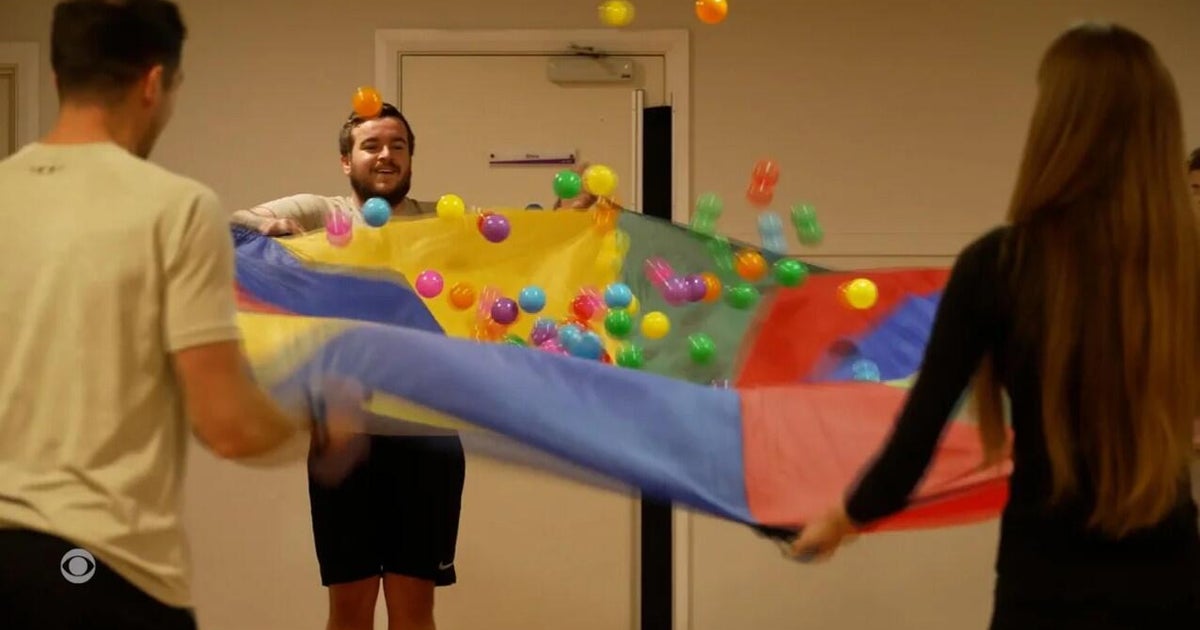
The kidulting classes at David Lloyd Clubs across the United Kingdom are carefully designed around the games that defined playground culture and physical education classes from decades past. These aren’t just random activities thrown together—they’re thoughtfully selected childhood favorites that most participants haven’t experienced since elementary school. The variety is impressive and instantly recognizable to anyone who grew up playing outdoors or in school gyms. Wheelbarrow races have participants like Pran Varatharajan cheering while holding up classmates’ legs and pushing them across the floor in friendly competition. The iconic parachute game makes a triumphant return, with Dennis holding up the massive circle of colorful fabric and assigning teams by color: “If you’re yellow, you’re gonna be… shall we be a banana?” The pace moves quickly from one activity to the next, keeping energy levels high and preventing the monotony that often causes people to abandon traditional workout routines. After racing back and forth across the parachute, participants shift seamlessly into “popcorn,” huffing and puffing to keep colorful balls bouncing energetically on the fabric. Class member Sophie Doe, taking a quick break between games, shared with CBS News that her heart was pounding—in the best possible way. She particularly loved the parachute activities and admitted she hadn’t played some of these games since she was seven or eight years old.
The Science and Psychology Behind the Fun
What makes kidulting more than just a quirky trend is the solid foundation of science and psychology supporting its effectiveness. Personal trainer Kielan Edwards at David Lloyd Enfield understands the fundamental challenge many adults face when trying to establish exercise habits. “A lot of people find it very laborious getting used to the exercise before they turn it into a habit. But that’s because they’re forgetting the fun element of it,” he explains while demonstrating the gym’s “Joyride”—an ingenious exercise bike transformed to look like the beloved Little Tikes Cozy Coupe toy car that generations of children have loved. The concept behind kidulting addresses a critical gap in traditional fitness: the emotional connection to movement. “We’re trying to replicate those memories that you might have had while you were younger here, in a more, sort of, gym-based environment,” Edwards continues. This isn’t just feel-good philosophy—it’s backed by research. Scientists have found compelling evidence that when exercise incorporates enjoyment rather than obligation, people are significantly more likely to stick with it long-term. The U.S. National Institutes of Health has published findings showing that adults who regularly engage in playful, childlike activities report better cognitive function and memory retention as they age. This creates a powerful double benefit: not only are participants getting cardiovascular exercise and building strength, but they’re also potentially protecting their mental acuity for years to come.
More Than Exercise: Emotional Time Travel
For many participants, kidulting offers something that conventional fitness classes simply cannot provide—an emotional journey back to simpler times. The trend taps into something deeper than physical health; it addresses the psychological need many adults have to reconnect with the carefree joy they experienced in childhood. Varatharajan, who enthusiastically participated in the wheelbarrow races, articulated this sentiment beautifully: “I think it just kind of gives you a chance to reminisce, it also gives you a chance to revisit that period of your life that you thought was gone and you’re not gonna get back.” This emotional dimension transforms exercise from a chore into an experience worth anticipating. Traditional gym environments can feel clinical, competitive, or intimidating, creating psychological barriers that prevent people from showing up consistently. Kidulting dissolves these barriers by creating an atmosphere where vulnerability becomes strength and silliness is celebrated rather than judged. When Dennis calls out “What’s the time, Mr. Wolf?” and the entire class sprints across the floor yelling “Dinner time!” in response, something magical happens—the stress and responsibilities of adult life temporarily disappear, replaced by the liberating sensation of play without consequence or self-consciousness.
The “Work” Removed from Workout
David Lloyd Clubs’ approach to kidulting represents a fundamental rethinking of what fitness spaces should offer their members. The traditional gym model has long operated on the assumption that people will endure discomfort, boredom, or intimidation to achieve physical results. Kidulting flips this model entirely, asking instead: what if working out didn’t feel like work at all? By building classes around playground games and PE favorites, the clubs are deliberately taking the “work” out of workouts. This isn’t about making exercise easier in terms of physical intensity—participants are genuinely getting their heart rates elevated and engaging multiple muscle groups. Rather, it’s about making exercise mentally and emotionally easier by removing the psychological resistance many people experience when faced with traditional gym equipment and routines. The atmosphere Dennis creates is intentionally fun and even silly, with moments designed to make people laugh as much as sweat. This approach acknowledges a truth that fitness culture has often overlooked: humans are far more motivated to do things that bring them joy than things that feel like obligations, even when those obligations promise health benefits.
A Growing Movement with Lasting Impact
The emergence of kidulting classes at gyms like David Lloyd represents something larger than a passing fad—it signals a meaningful shift in how we think about fitness, play, and adult life. In a world where grown-ups are increasingly burdened by responsibilities, stress, and the constant pressure to be productive, creating sanctioned spaces for play feels almost revolutionary. Trainers and participants alike recognize that kidulting works because, as they say, being a kid never gets old. The success of these classes suggests that many adults are hungry for permission to be playful, to prioritize joy, and to exercise in ways that feel natural rather than forced. As more research emerges supporting the cognitive and emotional benefits of playful activities for adults, and as more people discover how much more sustainable fun-based fitness is compared to traditional approaches, kidulting may well expand beyond specialized gym classes into a broader cultural movement. The trend reminds us that the distinction between “adult activities” and “children’s games” may be more artificial than we’ve believed, and that reconnecting with our inner child—whether through parachute games, tag, or riding a bike shaped like a toy car—might be exactly what our bodies, minds, and spirits need to thrive in our grown-up lives.