
The Complex Dance Between the U.S. and Iran: Nuclear Negotiations and Rising Tensions
The Road to Diplomacy Before Military Action
In the weeks and months before the United States launched military strikes against Iran, both nations were actually sitting at the negotiating table, working through the intricate details of what could have been a landmark nuclear agreement. It’s one of those situations that perfectly captures the contradictions of international diplomacy—two countries simultaneously preparing for both peace and conflict. The negotiations kicked off with indirect talks in Oman during early February, a neutral location that has historically served as a bridge between Washington and Tehran when direct communication proved too politically sensitive. Following these initial discussions, negotiators moved to Switzerland for two additional rounds of talks later that month. The choice of these locations wasn’t random; both Oman and Switzerland have long-standing reputations as neutral facilitators of difficult international negotiations, providing the kind of discreet environment where adversaries can speak candidly without the glare of media scrutiny or domestic political pressure constantly bearing down on them.
Diverging Perspectives on Progress
What’s fascinating about these negotiations is how differently the two sides perceived the progress being made. Iranian officials painted a relatively optimistic picture of the discussions, suggesting that meaningful headway was being achieved on key issues. President Trump himself acknowledged that Iran appeared interested in reaching an agreement, which represented at least some common ground between the longtime adversaries. Perhaps the most optimistic assessment came from Omani Foreign Minister Badr Albusaidi, who played a crucial mediating role throughout the process. Speaking to CBS News after the third round of negotiations wrapped up, Albusaidi expressed genuine hope, stating that a deal was “within our reach” and that negotiators just needed “a little bit more time” to bridge the remaining gaps. His words suggested that the fundamental framework of an agreement was taking shape, even if some critical details remained unresolved. However, President Trump’s public comments told a very different story. Shortly after that same third round of talks, Trump expressed frustration to reporters, saying he was “not happy” with how quickly things were moving forward. He complained that Iran was “not willing to give us what we have to have,” suggesting that the two sides remained far apart on fundamental issues that the U.S. considered non-negotiable.
The Enrichment Sticking Point
At the heart of the disagreement lies Iran’s uranium enrichment program—a highly technical issue that carries enormous political and security implications. President Trump made clear that he wanted Iran to agree to “no enrichment,” meaning a complete cessation of all uranium enrichment activities. For the Trump administration, this represented a red line, a minimum requirement for any acceptable agreement. The reasoning from the American perspective is straightforward: uranium enrichment is the most technically challenging part of developing nuclear weapons, and eliminating Iran’s capability to enrich uranium would effectively remove their ability to quickly develop a bomb, regardless of their stated intentions. However, Iran has consistently and firmly ruled out completely abandoning its uranium enrichment program. Iranian officials and leaders have repeatedly stated that their enrichment activities serve peaceful purposes—specifically, producing fuel for nuclear power plants and radioisotopes for medical and research applications. Beyond the technical arguments, the enrichment program has become a matter of national pride for Iran, a symbol of technological achievement and sovereign rights that many Iranians across the political spectrum support. Asking Iran to completely dismantle this capability is, from Tehran’s perspective, asking them to surrender a fundamental right that other nations enjoy under the Nuclear Non-Proliferation Treaty.
What Iran Was Willing to Offer
Despite the fundamental disagreement over complete enrichment cessation, the Omani Foreign Minister’s comments suggested that Iran had put some significant concessions on the table. According to Albusaidi’s characterization of Iran’s position, Tehran agreed that it will “never, ever have … nuclear material that will create a bomb.” This represents a clear commitment regarding the end goal, even if the means of ensuring that commitment remain disputed. Furthermore, Iran reportedly agreed that its existing stockpiles of enriched uranium—some of which had been enriched to levels well beyond what’s needed for civilian purposes—would be “blended to the lowest level possible.” This blending process would essentially dilute the enriched uranium, making it much less useful for weapons development while still allowing Iran to maintain some enrichment capacity for legitimate civilian uses. Perhaps most significantly, Iran agreed to grant inspectors from the International Atomic Energy Agency (IAEA) “full access” to nuclear sites. This monitoring provision is crucial because it would provide the international community with eyes on the ground to verify compliance with any agreement. Albusaidi summarized Iran’s offer with a memorable phrase: “There would be zero accumulation, zero stockpiling, and full verification.” If accurate, this package would address many of the immediate proliferation concerns while allowing Iran to save face by not completely abandoning enrichment.
Beyond Nuclear: The Broader Regional Security Picture
While the nuclear program dominated the actual negotiations, the scope of what any potential deal should cover became another point of contention. The direct U.S.-Iran talks largely focused on nuclear issues specifically, treating them as a distinct problem that could potentially be solved in isolation from other regional tensions. However, Israeli Prime Minister Benjamin Netanyahu, whose country views Iran as an existential threat, pushed for a much more comprehensive approach. Netanyahu called for any deal with Iran to also include enforceable restrictions on Iran’s ballistic missile program and requirements that Iran stop funding and supporting proxy forces throughout the Middle East—groups like Hezbollah in Lebanon, various militias in Iraq and Syria, and the Houthis in Yemen. This broader agenda reflects Israel’s security concerns, which extend well beyond Iran’s nuclear program to include conventional military threats. Secretary of State Marco Rubio addressed this issue in late February when speaking with reporters, acknowledging the tension between different approaches. He noted that the decision to pursue a nuclear-only deal versus a more comprehensive agreement ultimately rested with President Trump. However, Rubio made clear that Iran’s “insistence on not discussing ballistic missiles is a big, big problem” from the administration’s perspective. The missile issue is particularly sensitive because ballistic missiles could serve as delivery vehicles for nuclear weapons, making them intrinsically linked to nuclear proliferation concerns, even if Iran and others argue they’re separate issues.
The Shadow of Military Options
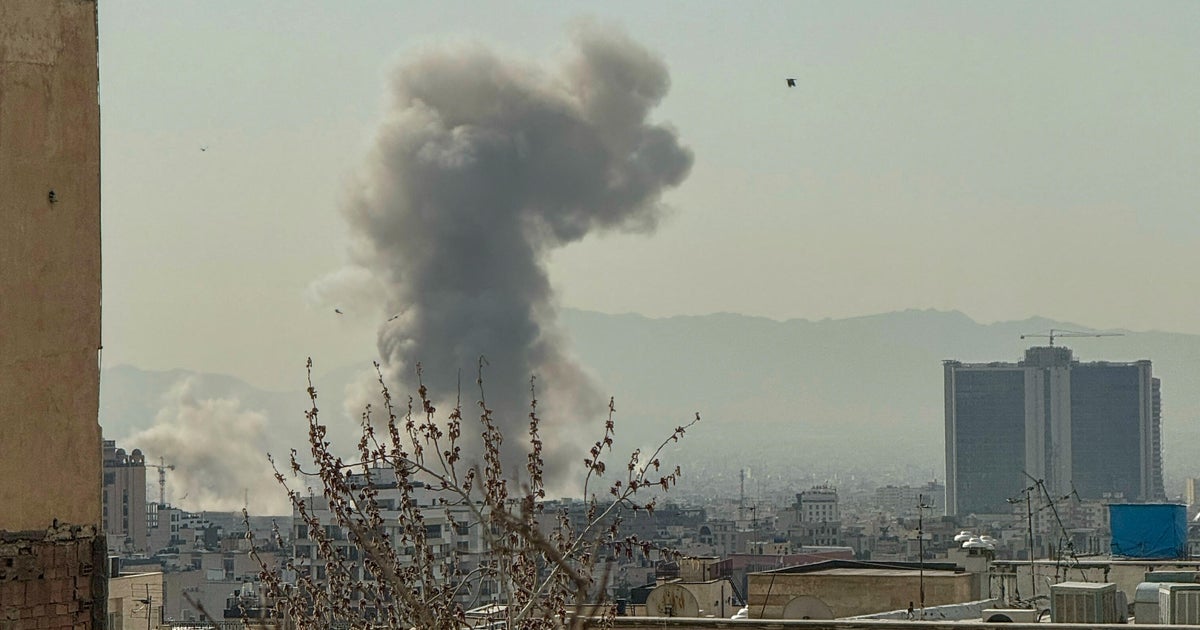
Hanging over all these diplomatic efforts was the ever-present possibility of military action. CBS News previously reported that President Trump told Prime Minister Netanyahu in December that he would support Israeli strikes targeting Iran’s ballistic missile program if negotiations failed to produce an acceptable deal. This revelation demonstrates how diplomacy and military planning proceeded on parallel tracks—talks continued in good faith, but both sides prepared for the possibility that negotiations might collapse. This dual-track approach isn’t unusual in high-stakes international relations, but it does create a challenging environment for negotiators. When diplomats know that failure to reach agreement could trigger military strikes, it adds both urgency and pressure to the process. It can motivate compromise, but it can also create brinkmanship dynamics where each side tests the other’s resolve. The fact that strikes ultimately occurred suggests that the diplomatic process couldn’t overcome the fundamental gaps between the two positions—particularly around enrichment and the scope of any agreement. The tragedy of this outcome is that, according to mediators like the Omani Foreign Minister, the two sides were genuinely close to agreement on many important points. The gap between “within our reach” and actual agreement proved to be an unbridgeable chasm, at least in the time available before other factors pushed events toward military confrontation instead.