


Rising Tensions Between the U.S. and U.K. Over Diego Garcia and Iran Strategy
Diplomatic Friction Emerges Over Strategic Military Base
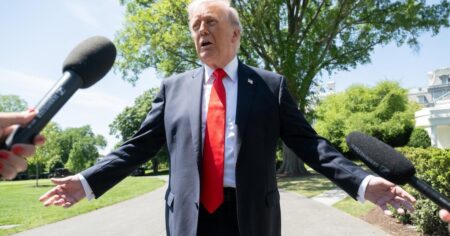
The traditionally strong alliance between the United States and the United Kingdom is facing an unexpected test as disagreements emerge over the future of a remote but strategically vital military installation. U.S. Secretary of State Marco Rubio and British Foreign Secretary Yvette Cooper met in Washington on Friday to address growing tension surrounding the Chagos Islands, particularly the Diego Garcia military base. The dispute centers on Britain’s decision to transfer sovereignty of these islands to Mauritius while retaining control of Diego Garcia through a 100-year lease agreement. President Trump has publicly criticized this arrangement, calling it “a big mistake” and warning British Prime Minister Keir Starmer against giving away Diego Garcia. The disagreement has taken on greater urgency because Trump has suggested he may need to use Diego Garcia, along with the RAF Fairford base in England, to launch potential strikes against Iran if diplomatic negotiations over Tehran’s nuclear program fail. This public clash between two of the world’s closest allies highlights how regional security concerns in the Middle East are creating ripples far beyond Iran’s borders, affecting diplomatic relationships and military planning across the globe.
The Strategic Importance of Diego Garcia in U.S. Military Operations
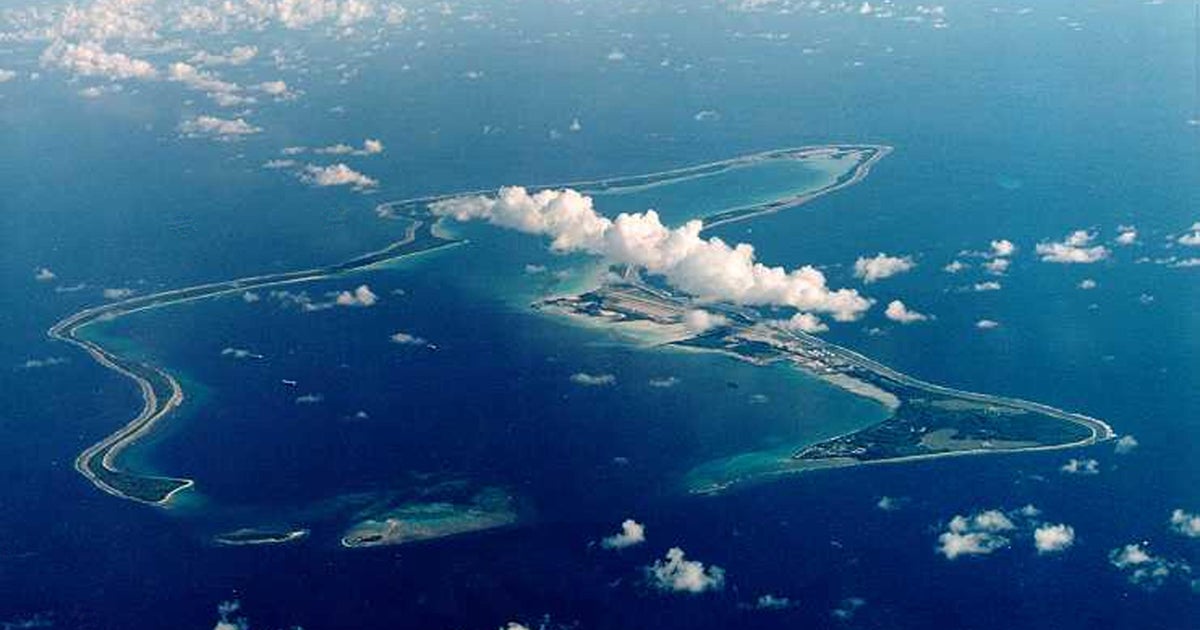
Diego Garcia represents far more than just another military installation in America’s global network of bases. Located in the Indian Ocean, roughly halfway between Africa and Indonesia, this island serves as a critical launching point for U.S. military operations across the Middle East, South Asia, and East Africa. The base has historically hosted American long-range bombers and served as a refueling station for operations in some of the world’s most volatile regions. The facility’s remote location, combined with its extensive infrastructure, makes it invaluable for projecting American military power when other regional allies might be reluctant to allow their territory to be used for sensitive operations. In the current standoff with Iran, Diego Garcia’s importance has become even more pronounced because several traditional U.S. allies in the Middle East—including Saudi Arabia, Jordan, and the United Arab Emirates—have explicitly stated they will not permit their airspace or territory to be used for strikes against Iran. This reluctance by regional partners makes Diego Garcia and similar facilities absolutely essential to any potential military action. The Chagos Islands comprise more than 60 individual islands, with Diego Garcia being the largest and most developed. For decades, the joint U.S.-U.K. facility there has operated relatively quietly, but the current geopolitical situation has thrust it into the spotlight as a potential flashpoint in both U.S.-Iran relations and U.S.-U.K. cooperation.
Britain’s Reported Denial and the Diplomatic Fallout
The situation took a more serious turn when multiple British news outlets, including The Times of London, reported that the U.K. government had denied the United States permission to use both Diego Garcia and the RAF Fairford base for potential strikes on Iran. This reported denial represents a significant departure from the usual cooperation between these longtime allies on military matters. While the U.K. Ministry of Defense declined to comment directly on operational matters, a government spokesperson emphasized Britain’s support for the ongoing diplomatic process between Washington and Tehran, stating clearly that “Iran must never be able to develop a nuclear weapon, and our priority is security in the region.” This carefully worded response suggests London is trying to balance several competing priorities: maintaining its special relationship with Washington, supporting diplomatic solutions to the Iran nuclear issue, avoiding becoming directly involved in what could become a major military conflict, and managing its new relationship with Mauritius regarding the Chagos Islands. President Trump’s unusually direct public criticism of Prime Minister Starmer—describing the Chagos agreement as “an act of GREAT STUPIDITY” on his Truth Social platform—reveals the depth of American frustration with the situation. The State Department had initially issued a statement on Tuesday supporting London’s agreement with Mauritius, only for Trump to contradict that position the very next day, highlighting apparent divisions within the U.S. government itself about how to handle this delicate situation.
America’s Massive Military Buildup Around Iran
While diplomatic tensions with Britain simmer, the United States is moving forward with a substantial military deployment aimed at pressuring Iran to negotiate seriously on its nuclear enrichment program. President Trump has ordered a significant buildup of American military assets around Iran, creating what amounts to a show of force designed to back up his diplomatic threats with credible military capability. The deployment includes the USS Abraham Lincoln aircraft carrier strike group, already positioned in the Arabian Sea, and a second strike group led by the USS Gerald R. Ford—the largest aircraft carrier in the world—which was spotted crossing the Strait of Gibraltar on Friday as it made its way toward the Mediterranean. These two carrier strike groups, along with their associated warships, submarines, and dozens of combat aircraft, will give the United States overwhelming firepower within striking distance of Iran. The deployment represents one of the most significant concentrations of American naval power in the region in recent years and sends an unmistakable message to Tehran about Washington’s willingness to use military force if diplomacy fails. A senior regional official explained to reporters that one key reason for deploying two full carrier strike groups is precisely the reluctance of regional U.S. allies to grant permission for their territory to be used in strikes on Iran. With traditional staging areas potentially off-limits, the Navy’s ability to operate independently from international waters becomes even more critical to maintaining America’s military options in the region.
Iran’s Response and International Legal Arguments
As tensions escalate and military hardware moves into position, Iran has responded by taking its case to the international community through the United Nations. In a letter sent Thursday to members of the U.N. Security Council, Iran’s mission to the United Nations characterized President Trump’s threats about potentially using Diego Garcia to attack Iran as a “flagrant violation” of both the U.N. charter and international law. The letter warned that such actions risked “plunging the region into a new cycle of crisis and instability” at a time when the Middle East can ill afford additional conflict. Iranian officials emphasized in their communication that Tehran has “engaged constructively, with seriousness and in good faith, in nuclear talks” with the United States, presenting themselves as the reasonable party in the negotiations while painting Washington as the aggressor. The letter called on the United Nations and its member states to “act without delay, before it is too late” to “ensure that the United States immediately ceases its unlawful threats of the use of force.” This appeal to international law and multilateral institutions represents a familiar Iranian strategy of seeking to isolate the United States diplomatically even while facing potential military pressure. Whether this approach will gain Iran any meaningful support from Security Council members remains uncertain, particularly given that several council members have their own concerns about Iran’s nuclear program and regional activities.
Looking Ahead: Alliance Strains and Nuclear Diplomacy
The current situation presents significant challenges not just for U.S.-Iran relations but for America’s broader alliance structure and diplomatic approach. The friction with Britain over Diego Garcia highlights how even the closest alliances can be tested when national interests diverge on specific issues. London appears to be trying to chart a middle course—supporting American diplomatic efforts to prevent Iran from developing nuclear weapons while avoiding direct participation in potential military strikes that could have unpredictable consequences. The Friday meeting between Secretary of State Rubio and Foreign Secretary Cooper was expected to address these concerns directly, though finding a resolution that satisfies both Washington’s desire for military options and London’s reluctance to facilitate strikes will not be easy. For the broader international community, the standoff represents another test of whether diplomatic pressure backed by military threat can achieve nonproliferation goals, or whether such approaches simply escalate tensions toward conflict. The reluctance of Saudi Arabia, Jordan, and the UAE to allow their territory to be used for strikes suggests regional powers are increasingly wary of being drawn into confrontations they see as potentially destabilizing. As military assets continue moving into position and diplomatic talks continue, the coming weeks will be critical in determining whether this crisis can be resolved through negotiation or whether the world is heading toward another major military conflict in the Middle East.