
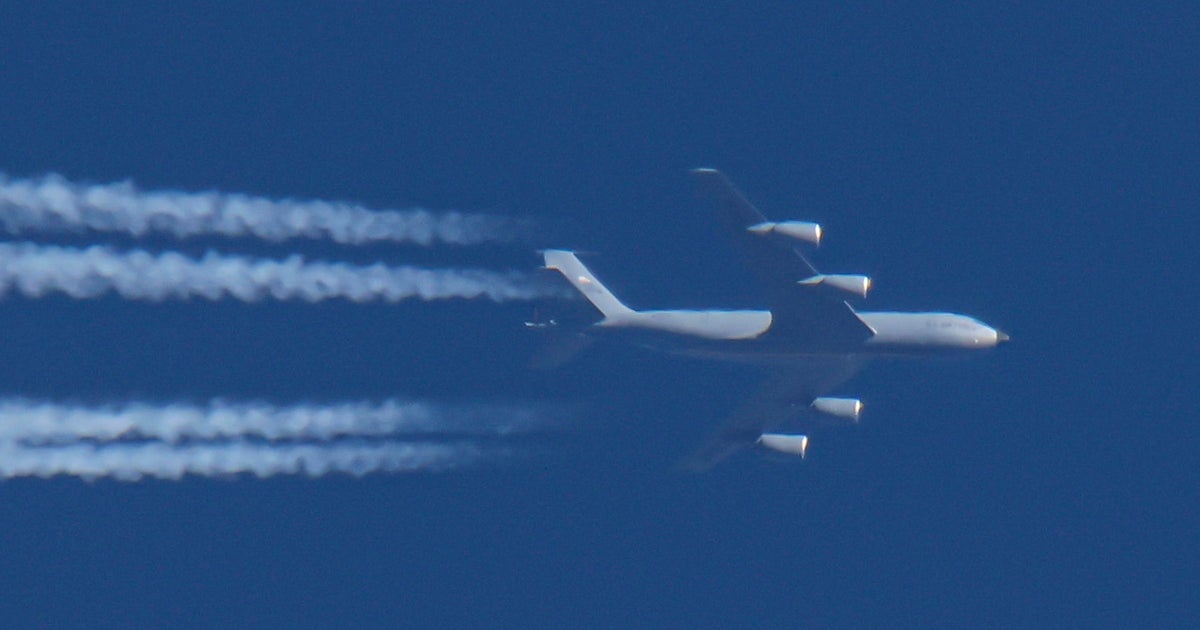

American Military Tanker Crashes in Iraq During Iran Operations
Tragic Incident Near Iraqi-Jordanian Border
In a somber development that underscores the inherent dangers of military operations, an American aerial refueling tanker crashed in western Iraq on Thursday while participating in U.S. military operations targeting Iran. Multiple U.S. officials confirmed to CBS News that a Boeing KC-135 Stratotanker went down near Turaibil, a remote area situated along the Iraqi-Jordanian border. The incident has prompted immediate recovery efforts in the crash zone, though details about the fate of the crew members remain uncertain at this time. Adding to the gravity of the situation, a second Stratotanker involved in the same incident sustained damage but managed to land safely, preventing what could have been an even more devastating loss. Flight tracking data from FlightRadar24 revealed that a KC-135 tanker had declared an emergency before making an emergency landing in Tel Aviv on Thursday evening, highlighting the precarious nature of the aircraft’s final moments in the air.
Official Response and Investigation
The U.S. Central Command moved quickly to address the incident, releasing an official statement Thursday afternoon that provided crucial details about the circumstances surrounding the crash. According to the statement, both aircraft were involved in the same incident, which has been definitively ruled out as being caused by hostile fire from enemy forces or friendly fire from allied military units. This determination is significant as it shifts the focus of the investigation toward mechanical failure, human error, or other non-combat related factors that may have contributed to the tragedy. The military’s swift response in clarifying these details demonstrates their commitment to transparency while managing a developing crisis. However, the statement left many questions unanswered, particularly regarding the condition and whereabouts of the crew members aboard the downed aircraft, leaving families and the public anxiously awaiting further updates.
Part of a Troubling Pattern
This crash represents the fourth publicly acknowledged aircraft loss as part of Operation Epic Fury, a designation that now carries an increasingly heavy toll. The operation, aimed at conducting military strikes against Iranian targets, has proven costly in terms of equipment and has put American service members at significant risk. Just days earlier, on Monday, the U.S. military confirmed another serious incident involving three F-15E Strike Eagles that were downed in what was determined to be a friendly-fire incident involving Kuwaiti forces. Fortunately, all six crew members from those aircraft successfully ejected and survived the ordeal. However, the accumulation of these incidents—four aircraft losses in a matter of days—raises serious questions about the operational challenges, coordination difficulties, and inherent risks associated with large-scale military operations involving multiple aircraft, nations, and complex mission parameters in the volatile Middle Eastern theater.
The Critical Recovery Mission Underway
Following the crash, American forces immediately initiated what military personnel call TRAP missions—Tactical Recovery of Aircraft and Personnel—a specialized and often dangerous type of operation that each service branch conducts under slightly different protocols but with the same urgent objectives. These recovery missions are launched with exceptional speed after an aircraft goes down, as time becomes a critical factor in multiple respects. U.S. forces must race against the clock to secure the crash site before enemy forces or hostile actors in the area can reach it, creating a tense and potentially dangerous situation for the recovery teams. The primary goals of these missions are twofold and equally important: first, to retrieve pilots or crew members who may be injured, in hiding, or tragically deceased, providing them with immediate medical attention or ensuring their remains are respectfully recovered; and second, to retrieve or completely destroy sensitive military equipment, classified technology, and communications gear that could provide valuable intelligence to adversaries if it falls into the wrong hands.
The Human Cost and Family Anxieties
Behind the military terminology and operational updates lies a deeply human story of service members whose lives hang in the balance and families back home facing agonizing uncertainty. The fact that the status of the crew remains unknown creates an excruciating waiting period for loved ones, who must endure the torment of not knowing whether their family members are safe, injured, or worse. The Boeing KC-135 Stratotanker typically carries a crew of several personnel, including pilots, navigators, and boom operators who manage the refueling operations. These highly trained professionals volunteered to serve their country, knowing the risks but perhaps never imagining they would face such a crisis. Military families across the nation are likely holding their breath, waiting for the phone call or knock on the door that will either bring relief or devastating news. The military’s family support systems have undoubtedly been activated, providing counseling, information, and assistance to those directly affected while maintaining operational security about sensitive details.
Ongoing Situation and Broader Implications
As this story continues to develop, the incident raises broader questions about the sustainability and safety protocols of Operation Epic Fury and similar large-scale military operations in contested regions. The loss of four aircraft in such a short timeframe, regardless of the causes, suggests potential issues with coordination, communication, mechanical readiness, or operational planning that military leadership will need to address. The Pentagon will likely conduct thorough investigations into each incident, examining everything from equipment maintenance records to mission planning documents to radio communications between aircraft and command centers. For the immediate future, recovery teams on the ground in western Iraq remain focused on their critical mission, working in a potentially hostile environment to locate the crew members and secure the crash site. The remote location near the Iraqi-Jordanian border presents its own challenges, requiring coordination with regional allies and careful navigation of complex political relationships. As Americans await further updates on the crew’s condition and the investigation’s findings, this incident serves as a stark reminder of the sacrifices made by military personnel and the unpredictable dangers they face, even when the threat doesn’t come from enemy fire.