


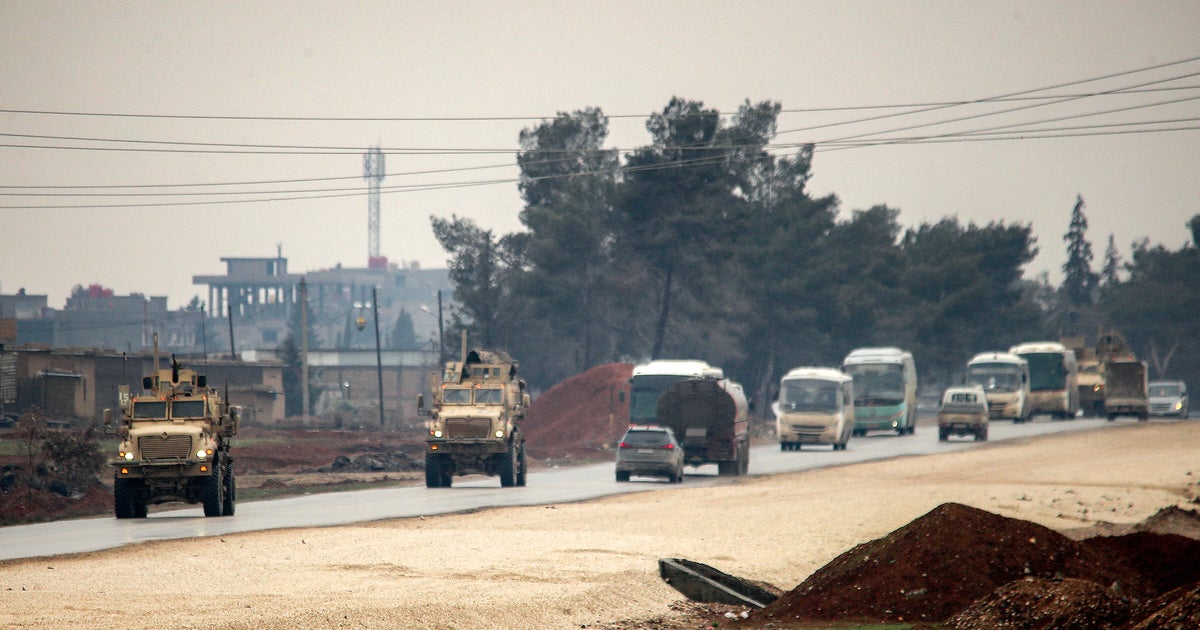

U.S. Completes Massive Transfer of ISIS Suspects from Syria to Iraq
A Major Security Operation Comes to an End
The United States military has completed a significant security operation involving the transfer of over 5,700 suspected ISIS fighters from detention facilities in Syria to neighboring Iraq. The mission, which wrapped up on February 12 following a nighttime flight, took 23 days to complete and was carried out by U.S. Central Command (CENTCOM), the military authority responsible for American operations throughout the Middle East region. According to official statements, the operation became necessary due to mounting security concerns in post-war Syria, particularly after a mass prison break occurred at one Syrian facility in late January. Admiral Brad Cooper, CENTCOM’s commander, praised the joint forces involved, acknowledging the exceptional challenges they faced while executing the mission with professionalism and coordination alongside regional partners. The admiral also expressed gratitude toward Iraq’s leadership for recognizing that transferring these detainees was crucial for maintaining regional security and stability.
Preventing an ISIS Resurgence
U.S. Army Major General Kevin Lambert, who commands the American-led military coalition tasked with continuing the fight against remaining ISIS elements in the region, emphasized that this carefully orchestrated transfer operation would play a vital role in preventing ISIS from regaining strength in Syria. The concern about ISIS potentially resurging has been a persistent worry for military strategists and regional security experts, especially given the ongoing instability in parts of Syria following years of conflict. The detention facilities in northeastern Syria had been holding thousands of suspected ISIS members since the territorial defeat of the extremist group, but the security situation surrounding these makeshift prisons had become increasingly precarious. By relocating these detainees to more secure facilities in Iraq, U.S. officials believe they have significantly reduced the risk of mass escapes that could allow dangerous individuals to rejoin terrorist networks and potentially restart violent campaigns across the region.
Human Rights Concerns and Iraq’s Justice System
Despite the security rationale behind the transfer, serious concerns have emerged from international human rights organizations about what awaits these detainees in the Iraqi justice system. A significant issue is that many of the transferred individuals have not been formally charged with specific crimes, and some may not have been definitively confirmed as actual ISIS members. Iraq has offered to put the detainees on trial, but this has alarmed advocacy groups who point to the country’s troubling history with terrorism prosecutions. Sarah Sanbar, a researcher with Human Rights Watch based in New York, expressed particular worry that many detainees could face terrorism charges within an opaque judicial system that, just seven years ago, convicted alleged ISIS militants—including European nationals—and sentenced them to death following what were widely criticized as unfair proceedings. The concern centers on whether Iraq’s courts can handle such a massive influx of cases while ensuring due process and fair trials for all defendants.
The Legacy of Iraq’s Previous Terrorism Trials
The historical context makes these concerns far from theoretical. After Iraq declared victory over ISIS’s local presence at the end of 2017, the country embarked on a massive prosecution effort, putting thousands of suspected group members on trial. According to the United Nations mission in Iraq, between January 2018 and October 2019 alone, Iraqi courts processed more than 20,000 terrorism-related cases—an astonishing number that overwhelmed the judicial system. While Iraqi officials never publicly disclosed how many death sentences were handed down during this period, human rights organizations including Human Rights Watch and Amnesty International estimate that approximately 8,000 people currently remain on death row in Iraq, including non-Iraqi citizens. Among those sentenced were seven French nationals, as reported by The Wall Street Journal and other news outlets in 2019. These trials became internationally controversial due to widespread reports of serious procedural violations, including confessions extracted under torture, defendants being tortured in detention centers, trials lasting as little as ten minutes without legal representation present, and death sentences issued based solely on testimony from anonymous informants without corroborating evidence. As Sanbar starkly characterized them to CBS News: “They were totally sham trials.”
Iraq’s Response and Current Preparations
Iraqi officials have firmly rejected these accusations and insist their justice system has evolved significantly. An official from the Iraqi National Center of Justice and International Judicial Collaboration told CBS News that “the Iraqi judiciary categorically rejects torture” and emphasized that extracting confessions through coercion is actually a crime under Iraqi law. The official maintained that terrorism trials in Iraq are conducted according to current laws within a constitutional framework that guarantees the right to fair trials, defendants’ rights to legal defense, and the ability to appeal rulings through proper legal channels. These proceedings, the official noted, are overseen by specialized judges working under extraordinary circumstances given the scale and nature of the crimes involved. Iraq’s judiciary announced on February 2 that investigations had already begun into more than 1,300 ISIS suspects among those transferred from Syria. Judge Dr. Faiq Zidan, President of the Supreme Judicial Council and Iraq’s top legal official, stated in a televised address on January 23 that his country was fully prepared to handle the cases of both foreign and domestic ISIS suspects, ensuring fair and decisive trials that would achieve justice for terrorism victims while preserving security in Iraq and other nations.
International Responsibilities and Uncertain Futures
Perhaps the most troubling aspect of this situation is the apparent abandonment of these detainees by their countries of origin. U.S. Secretary of State Marco Rubio confirmed months ago that the prisoners would be in Iraq “temporarily” and urged their home countries to repatriate their own nationals. However, most nations have shown little interest in bringing their citizens home to face justice in their own legal systems. During a 2019 visit by CBS News to a prison housing ISIS suspects in Hasaka, northeast Syria, reporters found inmates from Iraq and Syria, but also many Europeans, Asians, Turks, citizens of other Arab countries, and even one American man (who was later repatriated). As Sanbar observed, countries whose citizens left to join ISIS have “completely washed their hands of any sort of responsibility” and have “let them languish there for the last 10 years.” No third country has publicly commented on the transfer of its nationals to Iraq or the possibility of them facing trial there. Adding to the opacity, significant uncertainty remains about the detainees’ identities and legal status. “We don’t know who is there,” Sanbar noted, calling on Iraqi authorities and the coalition to be transparent about who they’re transferring, to inform families, and to provide access to legal representation so that, at minimum, there’s clarity about who is actually being held and prosecuted. The Iraqi National Center of Justice and International Judicial Collaboration indicated it was communicating with multiple countries regarding the matter but declined to identify which nations were involved in these discussions.