

Hope on the Horizon: U.S. and Iran Edge Toward Potential Peace Deal
Diplomatic Channels Open After Weeks of Tension
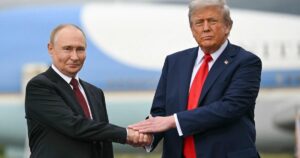
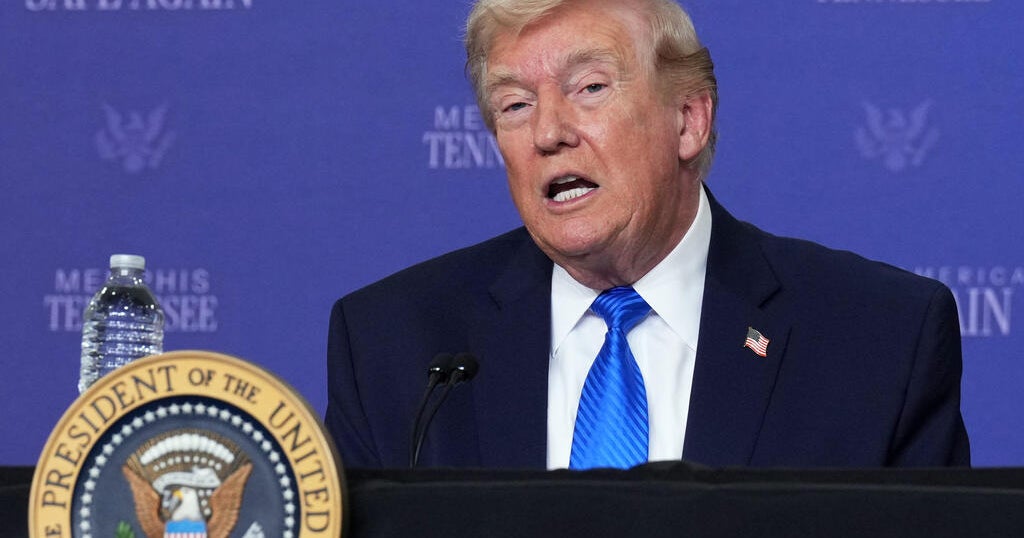
In a development that could mark a turning point in one of the most volatile conflicts in recent memory, Iran has confirmed receiving communication from the United States through third-party mediators, according to a senior Iranian Foreign Ministry official speaking with CBS News. This acknowledgment comes on the heels of President Trump’s surprisingly optimistic announcement that the two nations have been engaged in what he described as “very good and productive conversations” aimed at completely resolving their hostilities. The news sent shockwaves through global markets in a positive way, with oil prices tumbling 10% and the S&P 500 stock index surging more than 1% as investors digested the possibility that this dangerous 23-day conflict might be approaching its end. For ordinary people watching gas prices and their retirement accounts, this diplomatic breakthrough offers a glimmer of hope that cooler heads may prevail.
The Iranian official’s careful statement that they have “received points from the U.S. through mediators and they are being reviewed” represents a significant moment in a conflict that has kept the world on edge. President Trump elaborated further when speaking with reporters, revealing that the two sides have reached agreement on approximately 15 points and that Iranian officials have communicated their desire for peace. His words carried an uncharacteristic note of optimism: “I think there’s a very good chance we’re going to end up in a deal.” For families on both sides who have lived through weeks of air raid sirens, military strikes, and the constant fear of escalation, these words offer the first real hope that normal life might return. The human cost of conflict—the sleepless nights, the economic disruption, the lives lost and families torn apart—makes any movement toward peace profoundly meaningful.
Strategic Pause and the Role of Regional Mediators
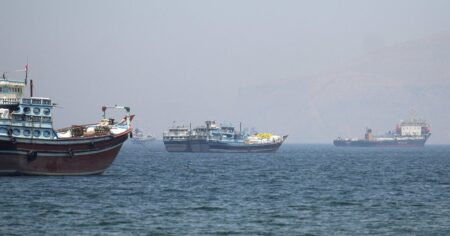
In what appears to be a calculated gesture of good faith, President Trump announced a five-day pause on planned U.S. military strikes against Iran’s energy infrastructure, a significant de-escalation from his weekend ultimatum demanding Iran reopen the strategic Strait of Hormuz or face devastating attacks on its power plants. This tactical retreat represents more than just military strategy; it’s a recognition that diplomacy might achieve what bombs cannot. The Strait of Hormuz, through which roughly one-fifth of the world’s oil supply passes, has been at the center of this crisis, and its closure has sent ripples through the global economy that ordinary consumers feel every time they fill their gas tanks or pay their heating bills.
The diplomatic dance between Washington and Tehran unfolds through an intricate network of intermediaries, a necessity born from the fact that the United States and Iran have had no formal diplomatic relations for decades. Pakistan has recently stepped forward, expressing its willingness to serve as a bridge between these two adversaries, while Oman has long played this delicate role, most recently facilitating nuclear negotiations earlier this year. These go-between nations perform the unglamorous but critical work of international diplomacy, carrying messages, clarifying intentions, and helping both sides save face while finding common ground. President Trump mentioned that the U.S. is communicating with a “top person” in Iran, though notably not the country’s new supreme leader, Ayatollah Mojtaba Khamenei. In a rare moment revealing the dangerous nature of these negotiations, Trump declined to identify this contact, stating bluntly: “I don’t want him to be killed.” This sobering comment underscores the personal risks that individuals on both sides take when they work toward peace in an environment where hardliners view any compromise as betrayal.
The Nuclear Question and Unresolved Issues
While the momentum toward dialogue is encouraging, significant questions remain about what any potential agreement might actually contain. President Trump told reporters that Iran has “agreed they will not have a nuclear weapon,” which represents one of his stated war objectives alongside degrading Iran’s conventional military capabilities. However, this claim deserves scrutiny and context. Iran has consistently maintained, for years, that it has no interest in developing nuclear weapons, arguing that its uranium enrichment program serves purely civilian energy purposes. The challenge has always been verification and trust—or rather, the profound lack of trust between these two nations.
The nuclear issue has proven to be a diplomatic minefield before. Earlier this year, negotiations broke down when President Trump insisted that Iran must completely abandon all uranium enrichment activities—a red line that Iranian leaders have repeatedly refused to cross. From Iran’s perspective, they argue they have the right under international law to peaceful nuclear energy development, and that giving up all enrichment would be an unacceptable surrender of sovereignty. From the American perspective, any Iranian enrichment capability represents a potential pathway to weapons development. For ordinary Iranians, who have suffered under crippling economic sanctions for years, the hope is that their government can find a formula that lifts these restrictions while preserving national dignity. For Americans and their allies, the concern remains preventing a nuclear-armed Iran that could destabilize an already volatile region. Finding language that satisfies both sides’ core concerns while allowing each to claim victory to their domestic audiences represents the ultimate diplomatic challenge.
Israel’s Role and Allied Complications
Adding another layer of complexity to these potential negotiations is the unclear role of Israel, America’s closest Middle Eastern ally. The conflict began with joint U.S.-Israeli strikes against Iranian targets in late February, but cracks in this unified front have appeared as the campaign progressed. President Trump publicly expressed disapproval last week when Israeli forces struck a major Iranian natural gas field, suggesting that the allies don’t always see eye-to-eye on targeting decisions or overall strategy. This divergence raises uncomfortable questions: Would any U.S.-Iran agreement include provisions regarding Israel? Would Israel be expected to accept or even participate in such a deal? Or could we see the unusual situation where America makes peace while its ally continues hostilities?
For Israeli citizens, who have their own long history of conflict with Iran and concerns about Iranian support for groups like Hezbollah and Hamas, the prospect of an American deal that doesn’t fully address their security concerns would be deeply troubling. The Israeli government has historically taken a harder line on Iran than even the most hawkish American administrations, viewing Iranian regional ambitions and rhetoric as an existential threat. Balancing these Israeli concerns with the Trump administration’s apparent desire to end this costly conflict presents a diplomatic puzzle with no easy solution. The human dimension here matters enormously—Israeli families living under the threat of Iranian-backed rocket attacks, Iranian families suffering under the economic consequences of isolation and sanctions, and American military families deployed far from home all have legitimate hopes that their leaders will make decisions that enhance rather than endanger their security.
Market Reactions and Global Economic Implications
The immediate market reaction to news of potential diplomatic progress tells its own story about the global economic stakes involved in this conflict. The 10% plunge in Brent Crude oil prices and the strong rally in U.S. stocks reflect the enormous economic anxiety that this conflict has generated. For weeks, traders and investors have been pricing in the risk of wider war, disrupted oil supplies, and potential global recession. The possibility of a negotiated settlement suddenly made the world seem like a much less dangerous place, at least economically.
But behind these abstract market movements are real consequences for real people. High oil prices mean higher costs for transportation, manufacturing, and heating—expenses that hit working families hardest. The economic uncertainty caused by the conflict has likely caused businesses to delay investments and hiring decisions, affecting employment and wage growth. Global supply chains, still recovering from pandemic-era disruptions, face new vulnerabilities when major shipping routes like the Strait of Hormuz are threatened. For people in developing nations particularly dependent on food and fuel imports, conflicts that drive up commodity prices can mean genuine hardship or even hunger. The diplomatic progress, if it holds, could provide relief to millions of people who have never heard of the Strait of Hormuz but whose lives are nonetheless affected by it. Markets may be impersonal, but their movements reflect very human hopes and fears about the future, and the positive reaction to peace talks suggests that investors—and by extension, people everywhere—are desperate for this crisis to end peacefully rather than escalate further.