


U.S. Military Strikes Against Alleged Drug Traffickers Claim More Lives in the Caribbean
A Deadly Campaign Unfolds Across Latin American Waters
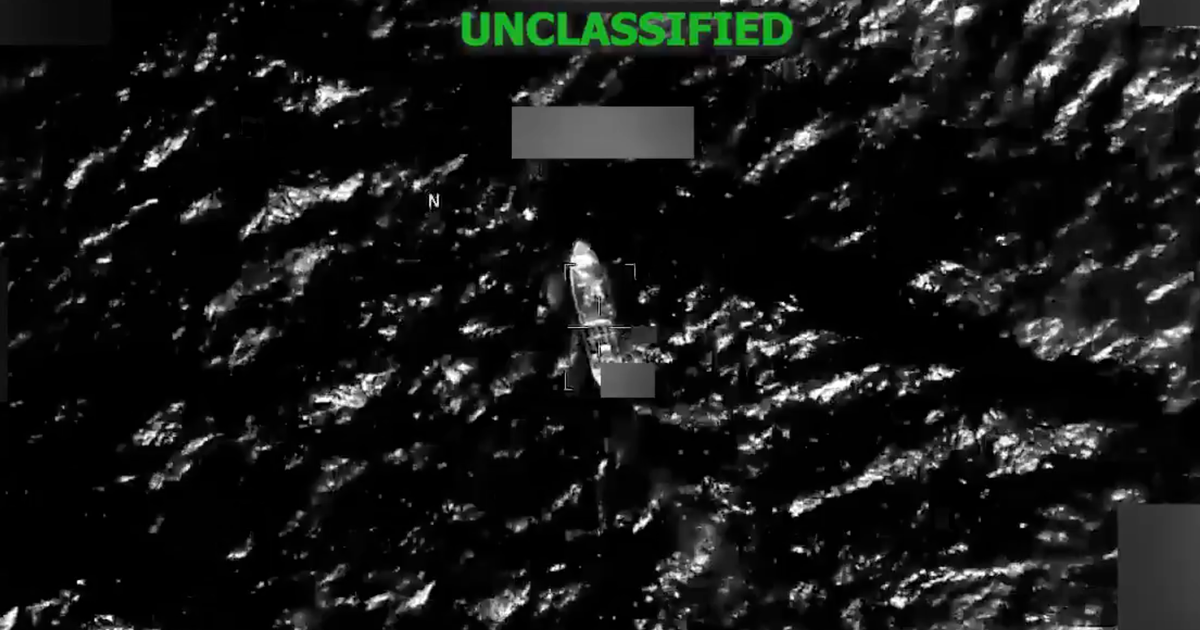
The United States military has intensified its controversial military operations in Latin America, with the latest strike resulting in four deaths when forces attacked a boat suspected of drug smuggling in the Caribbean Sea this past Wednesday. This incident marks a significant escalation in what the Trump administration has characterized as an ongoing war against drug cartels operating throughout the region. The strike is part of a broader military campaign that began last September, targeting vessels the administration labels as belonging to “narcoterrorists.” According to official statements from U.S. Southern Command, the operation was conducted along established smuggling routes, though the military provided no concrete evidence that the destroyed vessel was actually transporting illegal narcotics at the time of the attack. The dramatic footage released on social media platform X showed the targeted boat moving across open waters before being consumed by a massive explosion, a stark reminder of the lethal force being deployed in this unconventional war on drugs.
Mounting Death Toll Raises Serious Questions
Since the Trump administration launched this aggressive campaign against alleged drug traffickers in early September, the human cost has been substantial and deeply concerning to human rights advocates and international observers. The death toll from these boat strikes has now reached at least 163 people, with 47 vessels destroyed across the Caribbean Sea and eastern Pacific Ocean. The military operations have targeted boats based on intelligence assessments and their presence in known smuggling corridors, but the lack of transparency and verification has sparked significant controversy. Each strike is announced through official military channels with minimal detail, typically stating only that a vessel was targeted along suspected trafficking routes. The administration’s approach treats those aboard these vessels as “unlawful combatants,” the same legal designation that was controversially applied to al Qaeda members and other terrorist organizations during the George W. Bush presidency. This classification has profound implications for international law and the rights of those targeted, as it effectively removes them from protections typically afforded to civilians or even traditional prisoners of war.
The Legal and Strategic Controversies
President Trump has publicly declared that the United States is engaged in “armed conflict” with drug cartels, justifying these military strikes as essential measures to prevent drugs from reaching American shores and to reduce the devastating number of fatal overdoses plaguing communities across the nation. The administration’s rhetoric frames these operations as defensive actions protecting American lives, with U.S. Southern Command describing their approach as “applying total systemic friction on the cartels.” However, critics from across the political spectrum, along with international law experts and drug policy analysts, have raised serious questions about both the legality and effectiveness of this militarized approach. The fundamental issue many experts point to is that the fentanyl responsible for the majority of fatal overdoses in the United States typically doesn’t travel by boat through the Caribbean at all. Instead, this deadly synthetic opioid is predominantly manufactured in Mexico using precursor chemicals imported from China and India, then smuggled overland across the U.S.-Mexico border through established trafficking networks. This reality suggests that destroying boats in the Caribbean and Pacific may have minimal impact on the actual drug supply reaching American communities, raising questions about whether these strikes represent effective policy or merely dramatic military action with questionable strategic value.
A Two-Front Military Engagement
The continuation of these boat strikes in Latin American waters has persisted even as U.S. military attention and resources have been increasingly diverted to the Middle East, where American forces have launched extensive operations against Iran. This dual-front military engagement represents a significant commitment of resources and personnel, with American warships and aircraft conducting sustained bombing campaigns against Iranian targets while simultaneously maintaining operations in the Western Hemisphere. The military has been mobilizing additional forces for Middle Eastern deployment, including Marines and soldiers from the elite 82nd Airborne Division, who are either preparing to leave or already en route to the region. This parallel military engagement raises important questions about resource allocation, strategic priorities, and the capacity of U.S. forces to effectively conduct operations on multiple fronts simultaneously. Defense analysts have expressed concern about whether spreading military assets across such geographically distant theaters of operation might stretch capabilities too thin, potentially compromising effectiveness in both regions while increasing risks to American service members deployed in these various missions.
The Maduro Factor and Shifting Patterns
The tempo and pattern of these boat strikes have shown notable changes since a dramatic operation in early January when U.S. forces captured former Venezuelan President Nicolás Maduro and transported him to New York to face drug trafficking charges. That high-profile operation represented a significant escalation in U.S. involvement in Latin American affairs and sent shockwaves through the region’s political landscape. Since Maduro’s capture, the pace of boat strikes has somewhat decreased, with twelve alleged drug-running vessels destroyed in the subsequent months. Interestingly, the geographic focus has also shifted, with eight of these twelve strikes occurring in the Pacific Ocean rather than the Caribbean Sea, suggesting either a change in trafficking patterns or a redirection of U.S. military surveillance and strike capabilities. This shift could indicate that cartels are adapting their routes in response to American military pressure, or it might reflect changing intelligence priorities and operational focus within the U.S. military command structure responsible for Latin American operations.
The Broader Implications and Humanitarian Concerns
The designation of various Latin American drug cartels as foreign terrorist organizations has profound implications that extend far beyond the immediate military operations. While the Trump administration has not publicly named which specific organization operated the most recently struck vessel, several major cartels have received this terrorist designation, fundamentally changing the legal framework under which the United States engages with them. This classification enables the military to employ tactics and force levels that would be legally problematic if directed against civilian criminal organizations, but it also raises troubling questions about due process, evidence standards, and the potential for civilian casualties. Human rights organizations have expressed alarm at the lack of transparency surrounding these strikes, the absence of any apparent mechanism for verifying that those killed were actually involved in drug trafficking, and the potential for innocent fishermen or other civilians to be misidentified as traffickers and killed without warning or recourse. The broader strategic question remains whether this militarized approach addresses the root causes of drug trafficking and American drug demand, or whether it simply creates martyrs, drives trafficking operations further underground, and potentially destabilizes already fragile regions of Latin America without meaningfully impacting the drug supply reaching U.S. communities. As this campaign continues, these fundamental questions about effectiveness, legality, and humanitarian impact remain largely unanswered while the death toll continues to climb.