


The Return of Rhinos: A Conservation Triumph in Uganda’s Karamoja Region
A Historic Homecoming After Four Decades
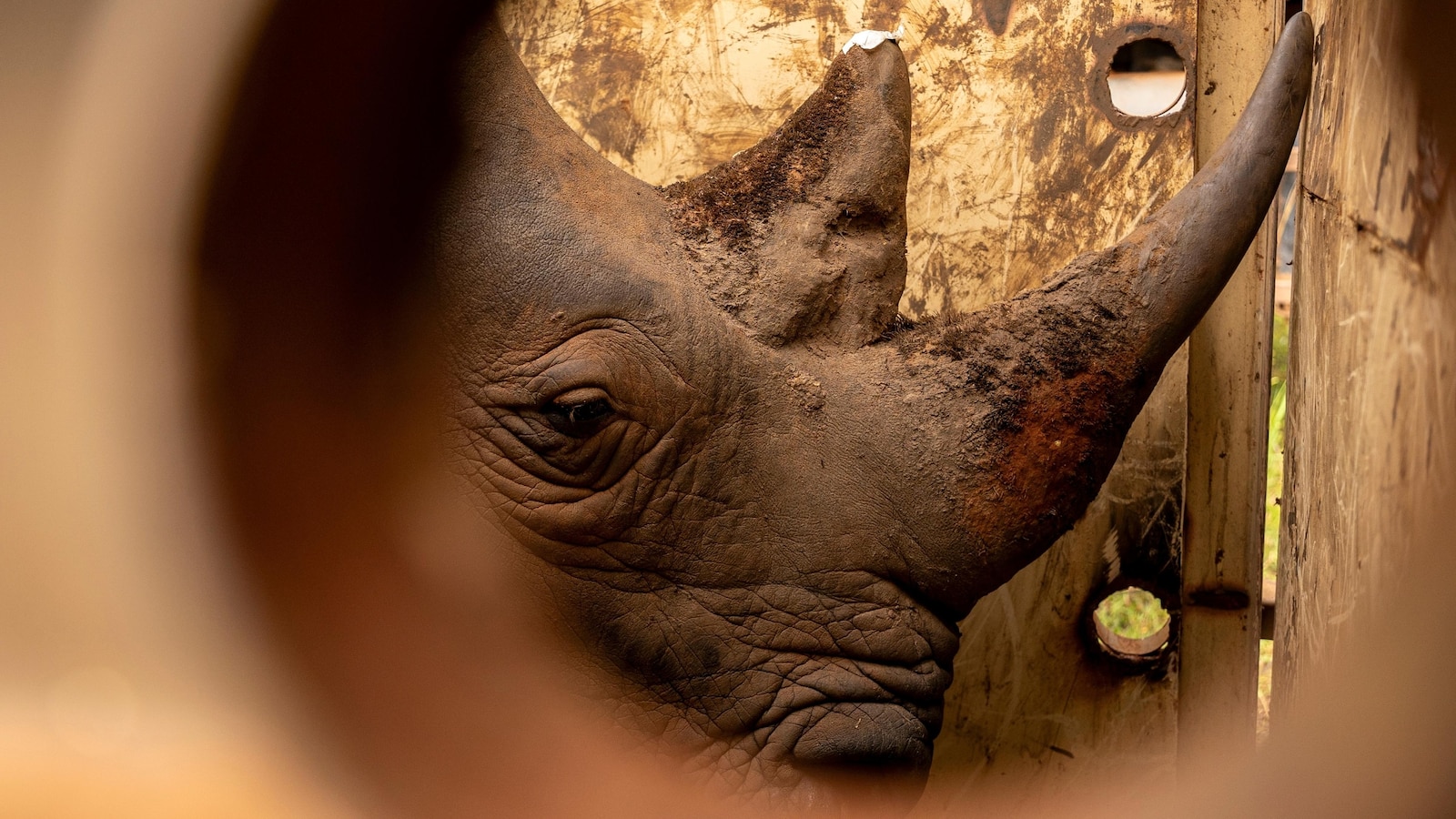
After an absence spanning more than forty years, the majestic southern white rhino has made a triumphant return to Uganda’s Kidepo Valley National Park. This momentous occasion represents far more than just moving animals from one location to another—it symbolizes hope, redemption, and the possibility of reversing environmental devastation caused by human greed. The last rhinos that roamed freely through Kidepo’s wilderness were killed by poachers in 1983, marking a dark chapter in the park’s history when these magnificent creatures were hunted into local extinction. Now, thanks to the dedicated efforts of conservationists, wildlife authorities, and international partners, the sound of rhino footsteps will once again echo through this remote northeastern corner of Uganda. On Tuesday, the first two southern white rhinos from the Ziwa Rhino Sanctuary made their journey to their new home, followed by two more on Thursday, carefully transported in specially designed metallic crates. These pioneering four rhinos are just the beginning of what conservationists hope will become a thriving population, breathing new life into an ecosystem that has been missing one of its key inhabitants for far too long.
The Long Road to Recovery: Building Hope One Rhino at a Time
The story of this reintroduction begins nearly two decades ago, when all seemed lost for rhinos in Uganda. The Ziwa Rhino Sanctuary, located in the central part of the country, was established in 2005 with a single, ambitious goal: to breed southern white rhinos and eventually return them to Uganda’s wild spaces. What started as a seemingly impossible dream has grown into a remarkable success story. Through careful management, veterinary care, and protection, the sanctuary has gradually built up a healthy breeding population of these prehistoric-looking giants. The sanctuary became a safe haven where rhinos could live, breed, and raise their young without the constant threat of poachers’ bullets. Over the years, this program quietly succeeded, with each new calf representing another small victory against extinction. The knowledge gained from managing this captive population, understanding rhino behavior, nutrition, and health needs, has proven invaluable in preparing for this next critical step—returning rhinos to the wild landscapes where they belong.
A Collaborative Victory: Many Hands Making Conservation Possible
James Musinguzi, the executive director of the Uganda Wildlife Authority, captured the emotion of this achievement when he declared, “This moment marks the beginning of a new rhino story for Kidepo Valley National Park.” His words acknowledge that this success didn’t happen in isolation—it required the combined efforts of numerous organizations, governments, and individuals all working toward a common goal. The Uganda Wildlife Authority partnered with multiple conservation groups, including Global Conservation, to orchestrate this complex relocation operation. Moving rhinos isn’t like transporting livestock; it requires specialized knowledge, equipment, and careful planning. The animals had to be safely captured, examined by veterinarians, placed in custom-designed transport crates, and moved more than 400 kilometers (approximately 250 miles) from Ziwa to Kidepo. Musinguzi expressed deep gratitude for the conservation partners whose technical expertise, financial support, and logistical contributions made this milestone possible, recognizing that modern conservation is fundamentally a team sport that requires resources, dedication, and coordination across organizations and borders.
Preparing a Home: More Than Just Opening the Gates
Before a single rhino could set foot in Kidepo Valley National Park, extensive preparations had to be completed to ensure their safety and give them the best chance at thriving in their new environment. The sanctuary created within the larger national park isn’t just a fenced area—it’s a carefully designed habitat that replicates the conditions these animals need while providing protection from threats. Conservationists constructed secure fence lines to define the rhinos’ territory and protect them from poachers, built access roads so rangers and veterinarians can monitor and care for the animals, and established fire management infrastructure to prevent wildfires from devastating the habitat. These preparations took years of planning and considerable financial investment, but they’re essential for giving these rhinos a fighting chance at survival. The current group of four rhinos is just the beginning; more animals are expected to arrive later this year from both Ziwa and even from neighboring Kenya, gradually building up a genetically diverse population that can sustain itself over generations. This expansion reflects the broader vision of creating not just a small protected group but a truly wild, breeding population that will once again be an integral part of Kidepo’s ecosystem.
Beyond Conservation: Tourism, National Pride, and Economic Hope
Jeff Morgan, executive director of Global Conservation, sees this rhino translocation as representing something larger than wildlife conservation alone. He stated that it “shows that Uganda is stable again for tourism, national parks are being protected, and Ugandans and international visitors can watch rhinos in their natural setting, which will be an incredible feat.” His words highlight how wildlife conservation connects to national development, international perception, and economic opportunity. For decades, Uganda struggled with political instability and conflict that made conservation work difficult and tourism risky. The successful reintroduction of rhinos sends a powerful message to the world that Uganda has turned a corner, that its protected areas are once again safe, and that the country is serious about environmental stewardship. For local communities around Kidepo Valley National Park, the return of rhinos could translate into tourism jobs, development projects, and a sense of pride in their natural heritage. International visitors willing to travel to remote northeastern Uganda to see rhinos in their natural habitat bring foreign currency and attention to a region that has often been overlooked. This kind of ecotourism can create powerful incentives for local people to support conservation rather than seeing wildlife as competition for resources or a source of quick profit through poaching.
The Ongoing Battle: Poaching, Hope, and Vigilance
While this reintroduction represents tremendous progress, conservationists remain realistic about the challenges ahead. Poaching continues to threaten Uganda’s protected areas, though enhanced security measures have significantly reduced incidents in recent years. The threat is real and persistent: rhinos are targeted specifically for their horns, which command astronomical prices in illegal markets serving parts of Asia where rhino horn is believed to have medicinal properties or is valued as a status symbol. Studies have shown that rhino horn products sometimes fetch higher prices than gold on black markets, creating enormous financial incentives for poachers willing to risk imprisonment or even death to kill these animals. This economic reality means that protecting these reintroduced rhinos requires constant vigilance, well-trained and well-equipped rangers, community cooperation, and strong legal frameworks with serious consequences for wildlife crime. The metallic crates that transported the rhinos to Kidepo are gone, but the invisible cage of security and monitoring that surrounds them remains essential. Yet despite these challenges, the very fact that conservationists felt confident enough to move rhinos back into Kidepo speaks volumes about the progress made in securing Uganda’s parks. The return of rhinos to Kidepo Valley National Park is ultimately a story about what becomes possible when people refuse to accept loss as permanent, when they’re willing to invest decades in patient rebuilding, and when they understand that protecting wildlife means protecting something essential about our shared humanity and our connection to the natural world that sustains us all.