


Ukraine Boycotts 2026 Paralympics Over Controversial Russian Flag Decision
A Bold Stand Against Reinstatement of National Symbols
In a powerful statement of protest, Ukraine has announced that its government officials will boycott the upcoming Milano Cortina 2026 Paralympic Winter Games. This dramatic decision comes in direct response to the International Paralympic Committee’s (IPC) recent move to lift a three-year ban that had prevented Russian and Belarusian athletes from competing under their national flags. The ban was originally put in place following Russia’s full-scale invasion of Ukraine in February 2022, and its removal has sparked international controversy and raised serious questions about the intersection of sports and politics on the world stage. Ukraine’s Minister of Youth and Sports, Matvii Bidnyi, didn’t mince words when expressing his nation’s outrage, calling the IPC’s decision “both disappointing and outrageous” and referring to the allowed competitors as “killers and their accomplices.” However, in a move that demonstrates remarkable resilience and determination, Ukrainian athletes themselves will continue to compete in the Games, refusing to let political controversies stand in the way of their athletic achievements and dreams.
The Numbers Behind the Controversy
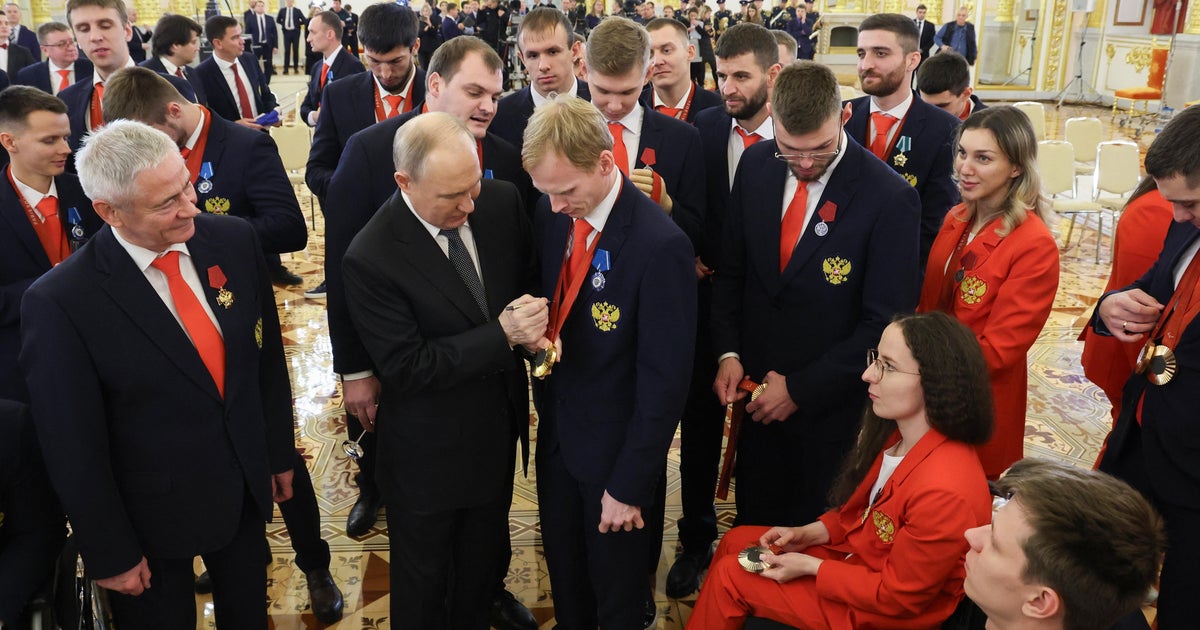
The International Paralympic Committee’s announcement detailed the specific allocations for Russian and Belarusian competitors that have ignited this firestorm of criticism. Russia has been awarded six slots across multiple winter sports disciplines: two positions in Para alpine skiing (one male and one female athlete), two in Para cross-country skiing (again split between genders), and two in Para snowboard (both male competitors). Belarus, meanwhile, received four slots exclusively in cross-country skiing, consisting of one male athlete and three female competitors. These numbers might seem small in the grand scheme of the Paralympics, but their symbolic significance is enormous. The 2026 Paralympics are scheduled to begin on March 6, and these athletes will be the first from their nations to compete under their national flags at a major international sporting event since the invasion began nearly three years ago. For Ukraine and its supporters, allowing even this limited participation under national symbols represents a betrayal of the principles that led to the original ban and sends a dangerous message about accountability for nations engaged in acts of aggression.
From Total Ban to Neutral Status to Full Reinstatement
To understand the full weight of this controversy, it’s important to trace the evolution of restrictions on Russian and Belarusian athletes over the past three years. Immediately following Russia’s invasion of Ukraine in February 2022, the International Olympic Committee took the unprecedented step of effectively barring athletes from Russia and Belarus from competing under their national flags at Olympic and Paralympic Games. This wasn’t a complete ban on participation, but it stripped away the national identity aspect of their competition. The following year, in 2023, the rules were modified to allow athletes from these countries to participate in Olympic Games, but only as neutral competitors—meaning they could compete, but without any national symbols whatsoever. This included prohibitions on displaying flags, playing national anthems, or wearing team uniforms that identified them with their home countries. Now, with the 2026 Paralympics approaching, the IPC has taken what many see as a step backward by completely lifting these restrictions and allowing full national representation. Critics argue that this progression sends the message that if you simply wait long enough, consequences for aggression will fade away, regardless of whether the underlying situation has improved or been resolved.
European Leaders Join the Chorus of Condemnation
Ukraine isn’t standing alone in its opposition to the IPC’s decision. Several prominent European officials have voiced strong criticism and, in some cases, joined the boycott effort. European Union Commissioner for Sport Glenn Micallef announced he would join Ukraine in boycotting the Paralympics opening ceremony, calling the reinstatement of Russian national symbols “unacceptable.” In his statement, Micallef made his reasoning crystal clear: “While Russia’s war of aggression against Ukraine continues, I cannot support the reinstatement of national symbols, flags, anthems and uniforms that are inseparable from that conflict.” His words underscore a fundamental principle that many believe should guide international sports—that nations actively engaged in warfare and aggression shouldn’t be rewarded with the honor of national representation on the world stage. Similarly, Lisa Nandy, the United Kingdom’s Secretary of State for Culture, Media and Sport, condemned the decision in no uncertain terms. She stated that “allowing athletes from Russia and Belarus to compete under their own flags while the brutal invasion of Ukraine continues sends a terrible message,” and characterized it as “completely the wrong decision.” Nandy went further by urging the IPC to “reconsider this decision urgently,” though as of now, there’s no indication the committee plans to reverse course before the Games begin.
The Impossible Balance: Sports and Politics
This controversy perfectly illustrates one of the most enduring and challenging debates in international athletics: can sports ever truly be separated from politics, and should they be? The Olympics and Paralympics have long promoted themselves as apolitical events that bring the world together through athletic excellence and friendly competition. The ideal is beautiful—nations setting aside their differences to celebrate human achievement and the triumph of the human spirit, particularly in the Paralympics, where athletes overcome extraordinary physical challenges. However, history has repeatedly shown that this ideal is nearly impossible to achieve in practice. The reality is that international sporting events are inherently political because they involve nations, flags, anthems, and all the symbols of national identity and pride. When those nations are engaged in activities that much of the world considers reprehensible—such as Russia’s ongoing invasion of Ukraine—the question becomes whether allowing them full participation actually undermines the values these Games claim to represent. The recent case of Ukrainian skeleton racer Vladyslav Heraskevych, who was disqualified from the Winter Olympics for wearing a “helmet of memory” depicting Ukrainian athletes killed in the war, adds another layer to this complexity. If Ukrainian athletes are punished for making political statements about their own suffering, how can it not be political to allow Russian athletes to compete under the flag of the nation causing that suffering?
Ukrainian Athletes: Resilience in the Face of Adversity
Perhaps the most inspiring aspect of this difficult situation is the determination of Ukrainian athletes to continue competing despite their government’s official boycott of the Games. Ukraine has consistently performed exceptionally well in Paralympic competitions, most notably finishing second on the medals table at the 2022 Beijing Games—an extraordinary achievement that speaks to the nation’s commitment to Paralympic sports and the exceptional talent of its athletes. Minister Bidnyi’s statement made it clear that while Ukrainian officials would not attend the Games in protest, the athletes themselves would not be forced into a boycott. This decision reflects a profound understanding that these athletes have trained for years, overcome immense challenges both physical and now circumstantial, and deserve the opportunity to compete and represent their nation with pride. For many of these competitors, the Paralympics represent not just a sporting event but a platform to show the world Ukraine’s strength, resilience, and refusal to be diminished by aggression. Their participation, even as their government boycotts, sends its own powerful message: Ukraine will not be silenced, will not disappear, and will continue to excel on the world stage regardless of the political currents swirling around them. As the March 6 opening ceremony approaches, all eyes will be on Milano Cortina to see how this controversy plays out and whether the IPC will respond to the mounting pressure to reconsider its decision.