


Ukrainian Drone Strike Ignites Flames at Russian Port Amid Ongoing Peace Negotiations
Fire and Destruction at the Black Sea Port
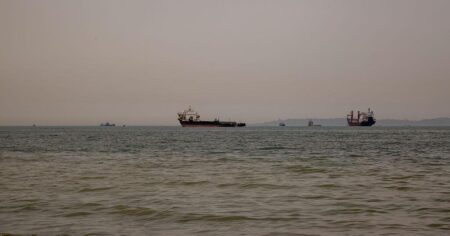
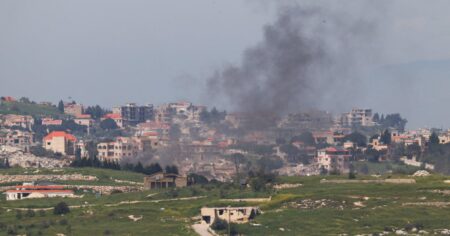
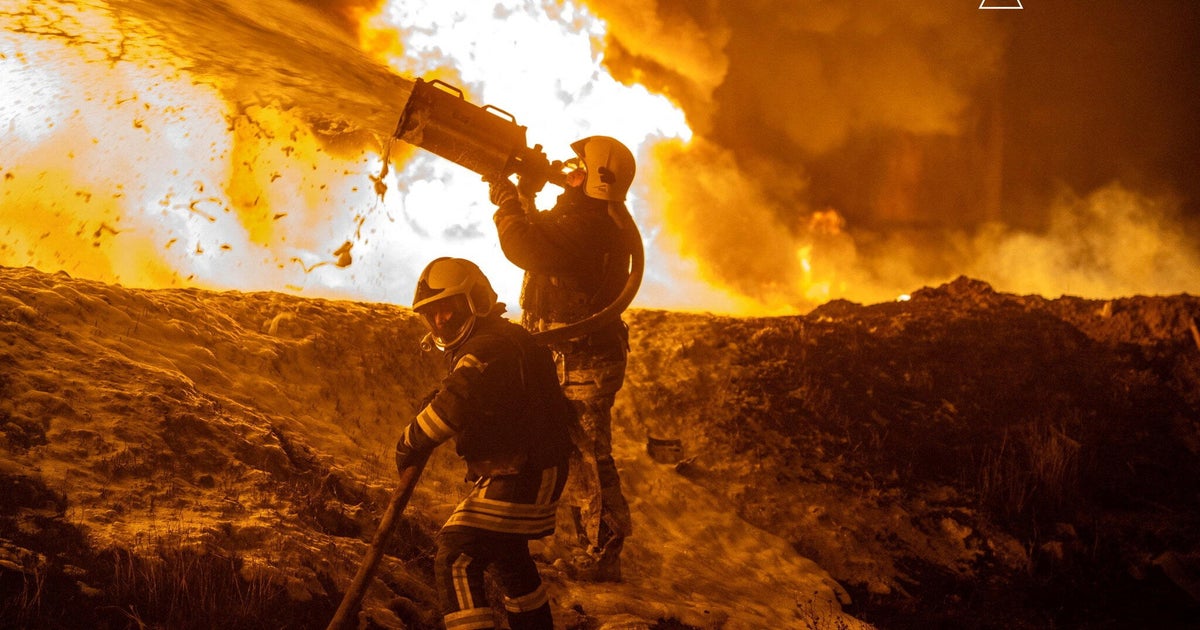
A Ukrainian drone attack set ablaze a strategic Russian port facility along the Black Sea coast on Sunday, injuring at least two people and causing significant infrastructure damage. The strike targeted the port of Taman in Russia’s Krasnodar region, where flames engulfed an oil storage tank, warehouse facilities, and critical port terminals. Regional Governor Veniamin Kondratyev reported that over 100 emergency responders were deployed to battle multiple fires raging throughout the port complex. The assault didn’t stop there—the popular resort destination of Sochi and the nearby village of Yurovka also suffered hits, though the damage in these locations was considerably less severe. This aggressive move by Ukrainian forces demonstrates their continued capacity to strike deep into Russian territory, targeting the economic infrastructure that Moscow relies upon to fund its ongoing military operations. The timing of this attack is particularly noteworthy, coming just days before scheduled peace talks, signaling that Ukraine isn’t softening its military stance even as diplomatic channels remain open for potential negotiations.
The Strategic Objectives Behind the Strikes
Ukraine’s sustained campaign of long-range drone strikes against Russian energy infrastructure serves a clear strategic purpose: cutting off the financial lifeline that enables Moscow to continue its full-scale invasion. By targeting oil storage facilities, refineries, and export terminals, Ukrainian forces aim to deprive Russia of crucial oil export revenues that fund military operations, troop deployments, and weapons manufacturing. On the other side of the conflict, Russia continues its systematic assault on Ukraine’s electrical grid and power generation facilities, pursuing a brutal strategy that Ukrainian officials describe as “weaponizing winter.” By destroying power plants, substations, and distribution networks, Russian forces seek to leave Ukrainian civilians without heat, electricity, and running water during the harsh winter months. This reciprocal targeting of critical infrastructure represents the ugly reality of modern warfare, where civilian suffering becomes a deliberate tactical objective. Meanwhile, the attack also caused collateral damage in Ukraine, where debris from downed Russian drones damaged civilian and transport infrastructure in the Odesa region, disrupting essential power and water supplies to local communities already struggling under the weight of nearly four years of continuous warfare.
Geneva Talks Offer Hope Amid Continued Hostilities
Despite the ongoing violence, diplomatic efforts continue with another round of U.S.-brokered negotiations scheduled for Tuesday and Wednesday in Geneva, Switzerland. This upcoming session marks a significant development—it will be the first meeting on European soil under the current trilateral negotiation format involving American mediators alongside Russian and Ukrainian envoys. Two previous rounds of talks were held in Abu Dhabi earlier this year, but those sessions failed to produce breakthrough agreements on the most contentious issues dividing the warring parties. The timing couldn’t be more poignant, with the talks scheduled just days before February 22nd, which marks the fourth anniversary of Russia’s full-scale invasion of Ukraine. Neither Russia nor Ukraine has expressed much optimism that these Geneva discussions will result in a comprehensive ceasefire agreement, but both sides acknowledge that incremental progress on smaller issues remains possible. The mere fact that negotiations continue, even as missiles and drones crisscross the skies, suggests that both exhausted nations recognize the eventual necessity of a diplomatic resolution, even if the path to peace remains frustratingly unclear and littered with seemingly insurmountable obstacles.
Zelenskyy’s Security Concerns and the Path to Peace
Ukrainian President Volodymyr Zelenskyy, speaking at the prestigious Munich Security Conference in Germany on Saturday, articulated his country’s fundamental concerns about any potential peace agreement. His primary worry centers on the question of meaningful security guarantees that would prevent Russia from simply rebuilding its forces and invading again in the future. Zelenskyy also expressed skepticism about a U.S. proposal for establishing a free trade zone, questioning how such an arrangement could practically function in the Donbas region—Ukraine’s industrial heartland that Russia insists must be permanently ceded as a precondition for peace. The Ukrainian president revealed a significant procedural disagreement with American negotiators: while the U.S. team, eager to achieve peace as quickly as possible, wants all agreements signed simultaneously in a comprehensive package deal, Ukraine insists that iron-clad security guarantees must be signed and implemented first, before any territorial or economic concessions are even discussed. This fundamental difference in approach reflects Ukraine’s deep-seated fear that without enforceable security arrangements in place beforehand, any peace agreement would simply give Russia time to regroup and attack again. During his Munich meeting with U.S. Secretary of State Marco Rubio, Zelenskyy discussed Ukraine’s security needs and the potential for deepening defense and economic partnerships with Western allies who have supported Kyiv throughout the conflict.
American and European Perspectives on the Negotiations
Secretary of State Marco Rubio, representing the Trump administration’s approach to ending the conflict, stated that “President Trump wants a solution that ends the bloodshed once and for all,” emphasizing America’s desire for a definitive conclusion to the war rather than a temporary pause that leaves underlying issues unresolved. However, not all American officials share an identical perspective on how to achieve lasting peace. Senator Jeanne Shaheen, the ranking member of the Senate Foreign Relations Committee, echoed President Zelenskyy’s concerns about the critical importance of robust security guarantees. Speaking to reporters in Munich on Sunday, she warned that “unless we have real security guarantees on whatever peace agreement is ultimately determined, we are going to be here again.” Shaheen pointed out that Russia has been gearing up its military capabilities not just for operations in Ukraine but for potential expansion beyond Ukrainian borders, suggesting that the threat to European security extends far beyond the current conflict. This observation underscores the broader geopolitical stakes involved in the negotiations—what happens in Geneva won’t just determine Ukraine’s future, but could shape the security architecture of Eastern Europe for decades to come.
European Resolve and Russia’s Diplomatic Strategy
European Union foreign policy chief Kaja Kallas offered a blunt assessment of Russia’s negotiating strategy during her appearance at the Munich Security Conference. She warned that Moscow hopes to achieve diplomatically what its military has failed to secure on the battlefield, essentially winning at the negotiating table what it couldn’t take by force. Kallas suggested that Russia is banking on the United States to pressure Ukraine into making unilateral concessions, believing that American eagerness for a quick resolution might override European and Ukrainian security concerns. However, she emphasized that critical Russian demands—particularly the lifting of economic sanctions and the unfreezing of Russian assets held in Western financial institutions—remain decisions for Europe to make, not America. “If we want a sustainable peace then we need concessions also from the Russian side,” Kallas declared, pushing back against any notion that only Ukraine should be expected to compromise. Her comments reflect growing European determination to maintain a unified stance that doesn’t reward Russian aggression with economic relief or territorial gains. The previous U.S.-led negotiation attempts, including the two Abu Dhabi sessions, foundered primarily on the question of the Donbas region’s future—the industrial heartland that Russian forces largely occupy but Ukraine refuses to permanently surrender. As the Geneva talks approach, this fundamental territorial dispute remains unresolved, with neither side showing willingness to back down from positions they consider existential to their national interests and future security.