


Ukrainian Drone Strike Ignites Fires at Russian Black Sea Port as Peace Talks Loom
Attack on Taman Port Damages Critical Infrastructure
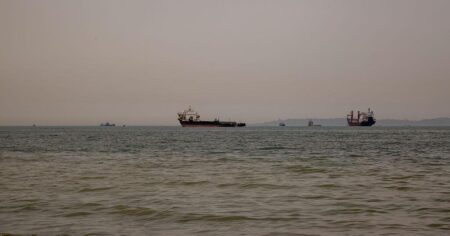
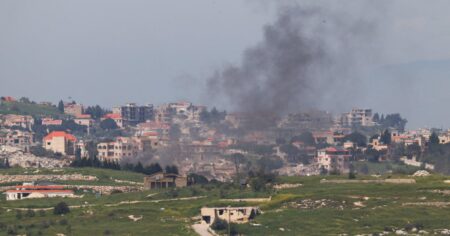
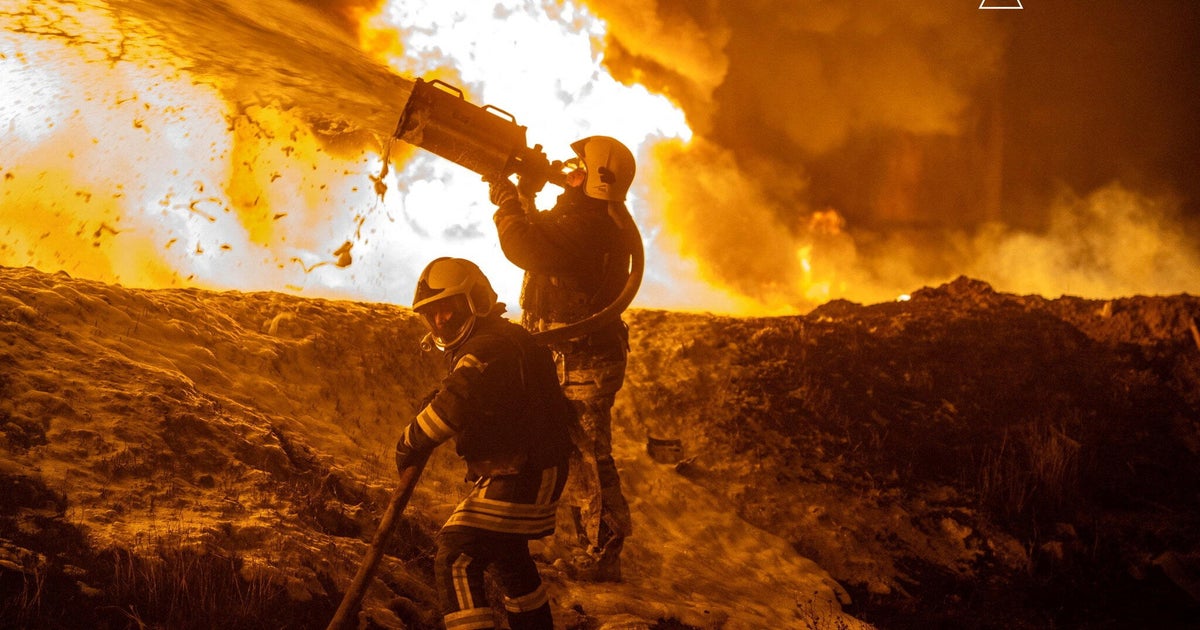
A significant Ukrainian drone strike set ablaze a major Russian port facility along the Black Sea coast on Sunday, injuring at least two individuals and causing extensive damage to critical oil infrastructure. The attack targeted the port of Taman in Russia’s Krasnodar region, where flames engulfed an oil storage tank, warehouse facilities, and several terminals. Regional Governor Veniamin Kondratyev reported that more than 100 emergency workers were deployed to battle multiple fires raging across the port complex. The strike didn’t stop there—Ukrainian drones also hit targets in the resort city of Sochi and the nearby village of Yurovka, though these locations sustained less severe damage. The timing of this assault is particularly noteworthy, coming just days before a crucial round of U.S.-mediated peace negotiations scheduled to take place in Geneva, highlighting the continued intensity of hostilities despite diplomatic efforts to end the conflict that has now dragged on for nearly four years.
Retaliatory Strikes and the War of Infrastructure
The violence wasn’t one-sided, as Russia responded with its own aerial assault on Ukrainian territory. Falling debris from Russian drones wreaked havoc on civilian and transport infrastructure throughout Ukraine’s Odesa region, disrupting essential services that millions of people depend on daily. The attacks knocked out power supplies and water systems, leaving residents struggling with basic necessities. These exchanges reveal the strategic calculus behind both nations’ targeting decisions in this grinding war. Ukraine’s long-range drone campaigns specifically aim to strike Russian energy facilities and oil export infrastructure, attempting to choke off the revenue stream that Moscow relies upon to finance its ongoing military operations. By hitting oil storage tanks and port facilities, Ukrainian forces hope to make the war economically unsustainable for Russia. Meanwhile, Russia pursues a mirror strategy of misery, deliberately targeting Ukraine’s power grid in what Kyiv officials characterize as an attempt to “weaponize winter” itself—depriving ordinary Ukrainian citizens of heating, electricity, and running water during the coldest months of the year, hoping to break civilian morale and force capitulation.
Geneva Talks Represent New Phase in Diplomatic Efforts
The upcoming round of negotiations scheduled for Tuesday and Wednesday in Geneva marks a significant shift in the diplomatic landscape surrounding this brutal conflict. While there have already been two previous rounds of trilateral talks this year—both held in Abu Dhabi under U.S. mediation—this week’s session represents the first time these particular negotiations will take place on European soil. The timing carries symbolic weight as well, occurring just days before the fourth anniversary of Russia’s full-scale invasion of Ukraine on February 22nd. Despite the diplomatic momentum suggested by these repeated meetings, neither Russia nor Ukraine has expressed much optimism that this round of talks will produce a comprehensive ceasefire agreement. The positions of both sides remain far apart on fundamental issues, particularly regarding territorial concessions and future security arrangements. However, officials have indicated that some progress has been made on smaller, more technical matters, suggesting that while a grand peace deal remains elusive, incremental steps toward de-escalation might be possible. The question hanging over Geneva is whether these talks represent genuine steps toward peace or merely diplomatic theater while both sides continue prosecuting the war.
Zelenskyy’s Concerns About Security Guarantees and Economic Proposals
Speaking at the Munich Security Conference in Germany on Saturday, Ukrainian President Volodymyr Zelenskyy articulated serious reservations about several aspects of the emerging peace framework. His concerns centered primarily on what concrete security guarantees Ukraine would receive to prevent future Russian aggression—a fundamental issue given that Russia has repeatedly violated previous agreements and international commitments. Zelenskyy also questioned the practicality of a proposed free trade zone floated by American negotiators, particularly regarding how such an arrangement would function in the contested Donbas region, the industrial heartland that Russia insists Ukraine must relinquish as a precondition for peace. The Ukrainian president highlighted a crucial procedural disagreement between Kyiv and Washington: American negotiators want to achieve peace as rapidly as possible and prefer signing all agreements simultaneously in a comprehensive package, whereas Ukraine insists that security guarantees must be finalized and signed first, before any other concessions are made. This sequencing dispute reflects Ukraine’s deep-seated fear of being pressured into territorial concessions without ironclad protections against future Russian attacks—essentially trading land for promises that Moscow might simply ignore once Ukraine has disarmed or made itself vulnerable.
American and European Perspectives on the Path Forward
U.S. Secretary of State Marco Rubio met with President Zelenskyy in Munich, where they discussed Ukraine’s security needs and the potential for deeper defense and economic partnerships between the two nations. Following their conversation, Rubio took to social media to emphasize that “President Trump wants a solution that ends the bloodshed once and for all,” signaling the new American administration’s desire for a rapid conclusion to the conflict. However, not all American officials share the same approach. Senator Jeanne Shaheen, a ranking member of the Senate Foreign Relations Committee, echoed Zelenskyy’s concerns about the critical importance of robust security guarantees. In remarks to reporters in Munich, Shaheen warned that without genuine security protections embedded in any peace agreement, the international community would inevitably find itself confronting the same crisis again in the future. She pointed to intelligence assessments suggesting that Russia’s ambitions extend beyond Ukraine—that Moscow has been preparing not just to dominate its neighbor but to push further into European territory, making strong deterrence measures absolutely essential for long-term continental security.
Russia’s Strategic Calculations and European Resistance
European Union foreign policy chief Kaja Kallas offered a sharp assessment of Russia’s negotiating strategy during her own remarks at the Munich conference. She argued that Moscow is attempting to achieve through diplomacy what it has failed to accomplish on the battlefield—hoping that American pressure will deliver territorial and political concessions that Russian forces couldn’t capture through military means. Kallas specifically highlighted Russia’s key demands, which include the lifting of Western economic sanctions and the unfreezing of Russian state assets seized by Western governments. She emphasized that these are fundamentally European decisions, not American ones, pushing back against any notion that Washington could unilaterally strike a deal that compromises European security interests. “If we want a sustainable peace then we need concessions also from the Russian side,” Kallas stated firmly, rejecting the premise that Ukraine and the West should be the only parties making sacrifices. Her comments reflect growing European concern that the United States, under new leadership, might be willing to accept a settlement that leaves Russia in a stronger position and Ukraine vulnerable to future aggression. Previous American-led efforts to forge consensus, including the two Abu Dhabi rounds, have foundered on these exact issues—particularly the status of the Donbas region, which remains largely under Russian military occupation and which Moscow refuses to discuss as anything other than permanently separated from Ukraine.