


Iran and United States Prepare for Second Round of Nuclear Negotiations
A New Chapter in Nuclear Diplomacy
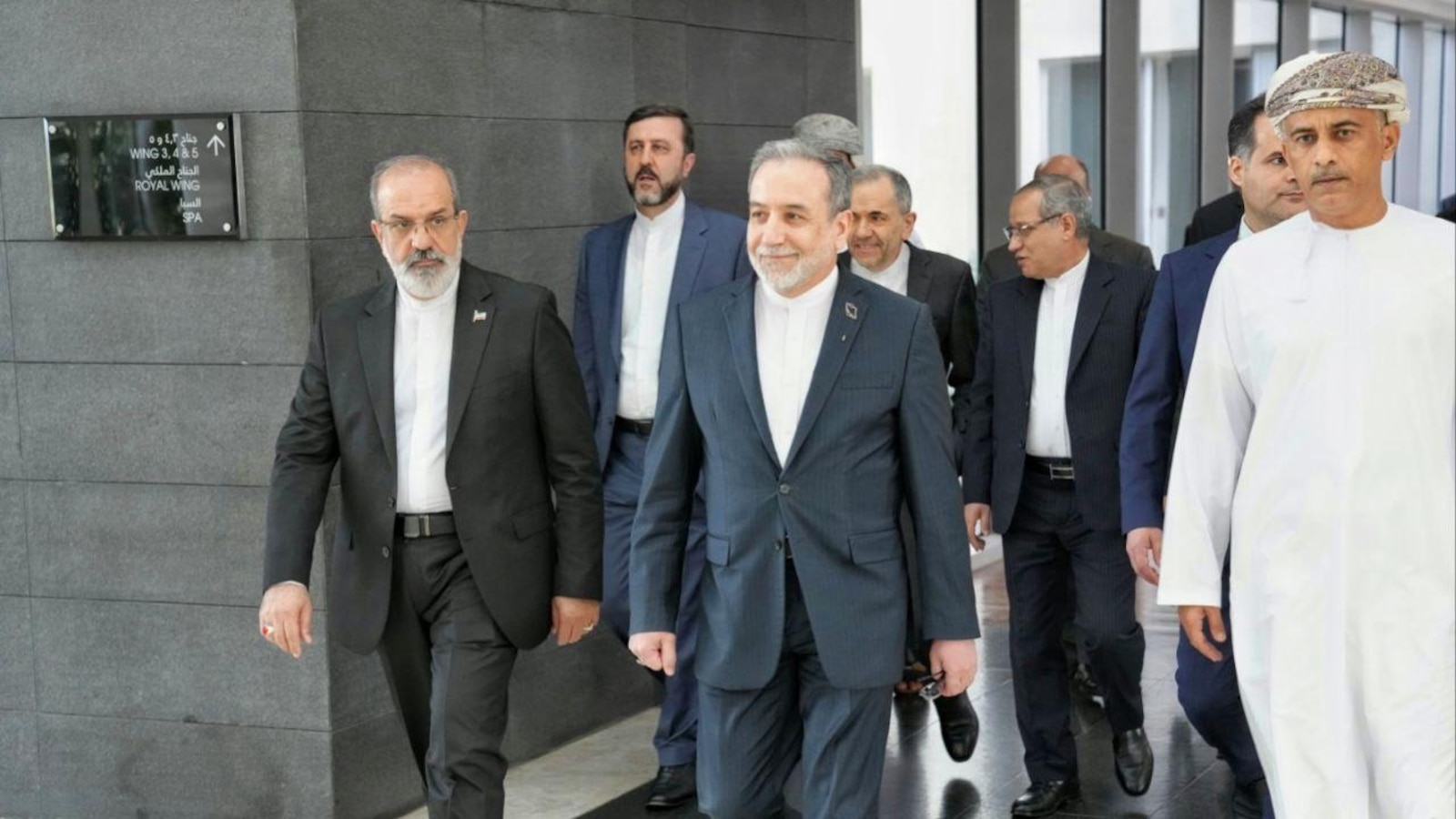
The delicate dance of international diplomacy is set to continue as Iran and the United States prepare to meet for a second round of critical talks concerning Tehran’s nuclear program. According to Switzerland’s Foreign Ministry, these discussions will take place in Geneva next week, marking another step in what has become one of the most complex diplomatic challenges of recent years. Oman, which successfully hosted the initial round of indirect negotiations on February 6, will again play a facilitating role in bringing these two long-standing adversaries to the table. The exact dates haven’t been announced yet, but the mere fact that both sides are willing to continue talking represents a glimmer of hope in an otherwise tense situation. The international community watches with bated breath as these nuclear discussions unfold, knowing that what happens in these Geneva meeting rooms could have far-reaching consequences not just for Iran and the United States, but for global security and stability in one of the world’s most volatile regions.
High Stakes and Serious Warnings
The atmosphere surrounding these talks is anything but relaxed. Following the first discussion earlier this month, President Donald Trump made his position crystal clear with characteristically blunt language, warning Tehran that failing to reach an agreement with his administration would prove “very traumatic” for the country. This isn’t empty rhetoric—Trump has a documented history of backing up his words with action, and Iran knows it. The shadow of last year’s failed negotiations looms large over the current proceedings. Those talks, which had shown some promise, ultimately collapsed in June when Israel launched what escalated into a devastating 12-day military campaign against Iran, which included American forces bombing Iranian nuclear facilities. That conflict served as a stark reminder of how quickly diplomatic efforts can dissolve into military confrontation in this part of the world. Trump hasn’t been shy about threatening to use military force to compel Iran to accept restrictions on its nuclear program, while Iranian officials have made it equally clear that any attack would be met with a forceful response. Beyond the nuclear issue, Trump has also condemned Iran’s brutal suppression of recent nationwide protests, adding another layer of tension to an already complicated relationship. The Gulf Arab nations, which would find themselves on the frontline of any military conflict, have issued urgent warnings that any attack could spiral into a wider regional war that nobody wants.
Military Buildup and Regime Change Rhetoric
Actions often speak louder than words, and Trump’s recent military moves underscore just how serious the situation has become. On Friday, the president announced that the USS Gerald R. Ford, the world’s largest and most advanced aircraft carrier, was being redirected from the Caribbean to the Middle East. This massive vessel, representing the pinnacle of American naval power, will join other military assets that the United States has been steadily building up in the region—a clear signal that while Trump may prefer a diplomatic solution, he’s prepared for other scenarios. The president hasn’t limited himself to military threats, though. In comments that are sure to make negotiations even more challenging, Trump suggested that “a change in power in Iran would be the best thing that could happen.” This kind of regime change talk, while perhaps playing well to certain domestic audiences, makes it incredibly difficult for Iranian negotiators to trust American intentions. After all, how can you negotiate in good faith with someone who’s publicly saying your government shouldn’t exist? This rhetoric puts Iran’s leaders in a tough position—cooperating with talks could be seen domestically as weakness, while refusing to negotiate could lead to the very military confrontation they want to avoid.
The Negotiating Teams and Their Impossible Positions
The February 6 talks brought together Iranian Foreign Minister Abbas Araghchi and Steve Witkoff, serving as the U.S. Middle East envoy, in what were described as indirect discussions—meaning they likely weren’t even in the same room, communicating instead through intermediaries. What made this first meeting particularly noteworthy was the presence of the top U.S. military commander for the Middle East, a detail that sent its own message about American seriousness and preparedness. Now these negotiators face the challenge of bridging what appears to be an unbridgeable gap. The Trump administration has drawn a hard line in the sand, insisting that Iran cannot have any uranium enrichment under any deal whatsoever. For Tehran, this is a complete non-starter. Iranian officials have flatly stated they won’t agree to zero enrichment, viewing the right to peaceful nuclear technology as a matter of national sovereignty and pride. This fundamental disagreement gets to the heart of why these negotiations are so difficult—the two sides don’t just disagree on details, they disagree on basic principles. Iran maintains that its nuclear program serves purely peaceful purposes, despite the fact that its officials increasingly threaten to pursue nuclear weapons if pushed too far. The reality on the ground before last June’s war was alarming: Iran had been enriching uranium to 60% purity, which nuclear experts describe as just a short technical step away from weapons-grade material. That puts the world uncomfortably close to a nuclear-armed Iran, something that neither the United States nor many other countries are willing to accept.
Verification Challenges and Technical Realities
Iranian President Masoud Pezeshkian has attempted to project reasonableness, stating publicly that his nation is “ready for any kind of verification” regarding its nuclear activities. These words sound reassuring, but the reality is far more complicated. For months now, the International Atomic Energy Agency (IAEA)—the United Nations’ nuclear watchdog organization responsible for monitoring compliance with nuclear agreements—has been unable to properly inspect and verify Iran’s nuclear stockpile. This lack of access is more than just a technical problem; it strikes at the very heart of whether any agreement can be meaningful. After all, what good is a nuclear deal if there’s no way to verify that both sides are holding up their end of the bargain? The verification issue highlights the deep mistrust that exists between Iran and the international community. Iran feels it has been unfairly targeted and that its right to peaceful nuclear energy has been denied, while the international community points to Iran’s secrecy, its refusal to allow full inspections, and its steady progress toward weapons-capable enrichment as evidence of bad faith. President Trump has indicated in recent weeks that his primary focus is getting Iran to scale back its nuclear program, and Iranian officials have said they want talks to concentrate solely on nuclear issues. This narrow focus might seem like a good starting point for finding common ground, but other parties have different ideas about what needs to be addressed.
Israel’s Demands and Regional Complications
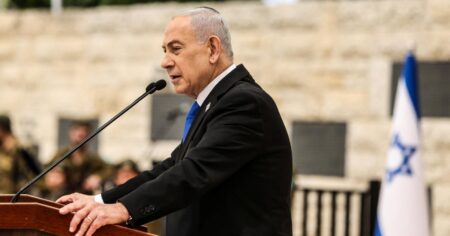
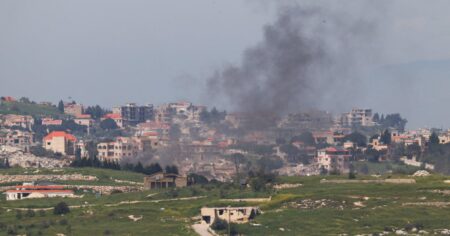
Complicating matters further is Israeli Prime Minister Benjamin Netanyahu, who met with President Trump in Washington just this week to press his country’s concerns. Netanyahu isn’t satisfied with a deal that only addresses Iran’s nuclear program. Israel has pushed hard for any agreement to also include concrete steps to neutralize Iran’s ballistic missile program—which could potentially deliver nuclear weapons to Israel or other targets—and to end Tehran’s financial and military support for proxy groups like Hamas and Hezbollah. These militant organizations have been thorns in Israel’s side for decades, and from Netanyahu’s perspective, focusing only on nuclear issues while ignoring missiles and terrorism support would leave Israel vulnerable. However, adding these conditions makes an already difficult negotiation exponentially more complex. Iran is unlikely to give up its regional influence and its support for allied groups without something substantial in return, and the Trump administration finds itself trying to balance the security concerns of a key ally against the practical limitations of what Iran might accept. The regional dynamics make this a multidimensional chess game where every move affects multiple players. Saudi Arabia, the United Arab Emirates, and other Gulf states watch nervously, knowing that any military conflict or nuclear arms race would directly threaten their security and economic interests. European nations, still smarting from the collapse of the previous nuclear deal, want to prevent another Middle East crisis but have limited leverage. Russia and China, traditional Iran partners, have their own strategic interests in how this plays out. As next week’s Geneva talks approach, the questions outnumber the answers: Can negotiators find creative solutions to bridge seemingly unbridgeable positions? Will Trump’s military pressure tactics push Iran toward compromise or defiance? Can verification mechanisms be established to rebuild trust? The world watches and waits, hoping that diplomacy will prevail over the alternative that nobody wants to contemplate.