

U.S. Navy Intercepts Third Venezuelan Oil Tanker in Unprecedented Indian Ocean Operation
Global Enforcement of Caribbean Sanctions Reaches Across Oceans
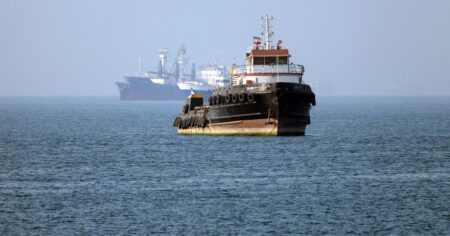
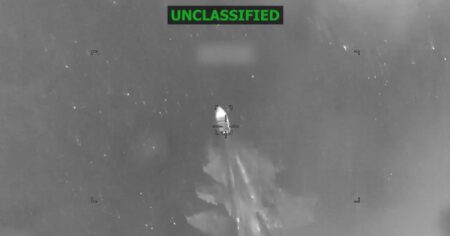
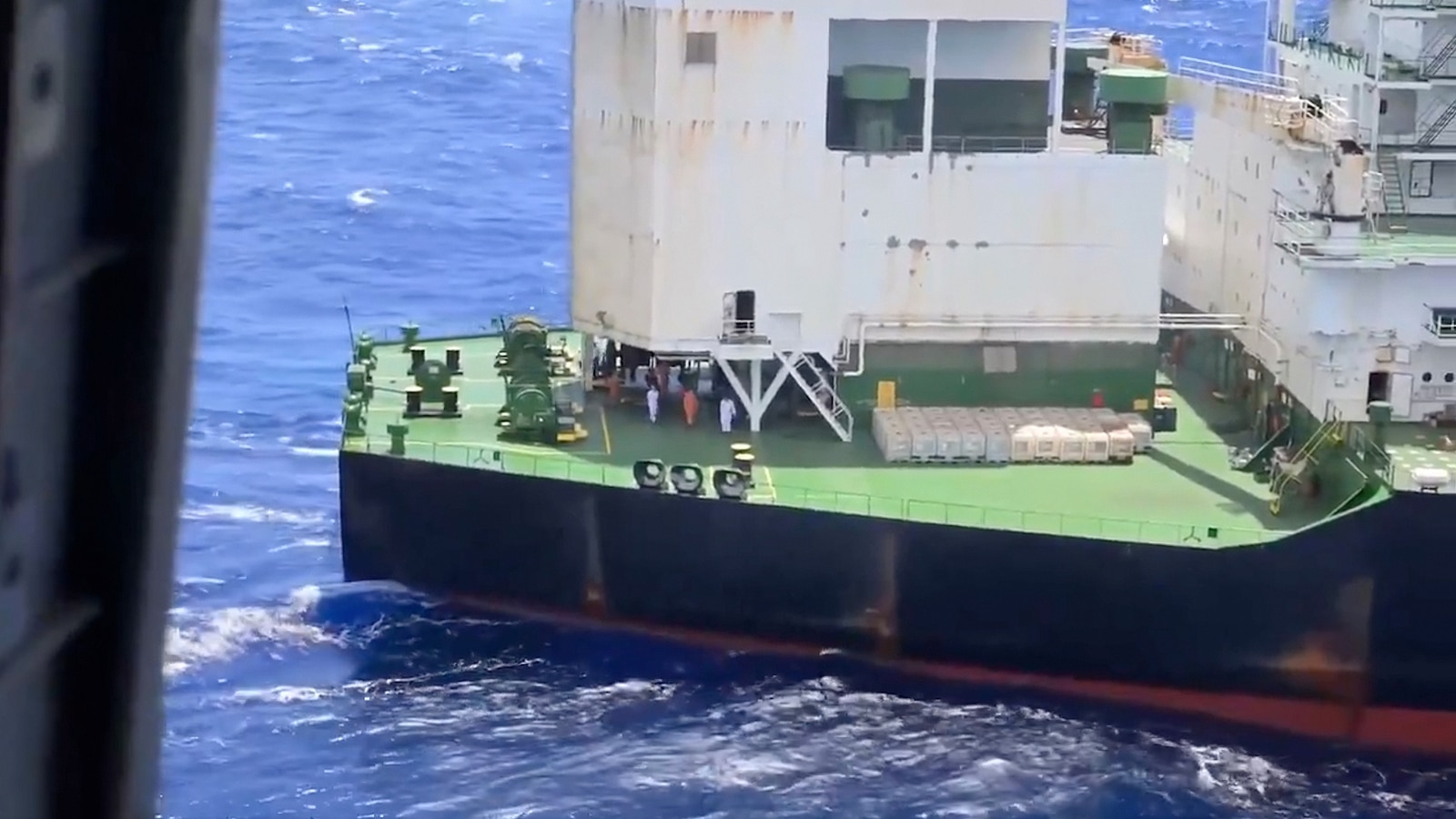
In a remarkable display of naval power projection, the Pentagon has announced the successful interdiction of a third oil tanker in the Indian Ocean, marking an unprecedented extension of U.S. maritime enforcement operations that originated in the Caribbean. The vessel, identified as the Bertha, was apprehended by American forces in an overnight operation that concluded without confrontation or incident. This seizure represents the culmination of a sophisticated tracking operation that spanned thousands of miles across multiple ocean basins, demonstrating the United States’ determination to enforce its sanctions regime against vessels allegedly involved in illicit Venezuelan oil operations. The Department of Defense’s announcement on social media emphasized the extraordinary nature of this enforcement action, highlighting that the tanker had attempted to escape the Caribbean quarantine zone only to be pursued and ultimately captured halfway around the world. This operation showcases not only American naval capabilities but also the administration’s commitment to maintaining economic pressure on what it describes as illicit oil trafficking networks.
From Caribbean Waters to the Indian Ocean: A Chase Across the Globe
The journey that led to the Bertha’s capture began in the Caribbean Sea, where the vessel was originally identified as operating in defiance of President Trump’s established quarantine of sanctioned oil tankers. When the ship attempted to evade U.S. authorities by fleeing the region, it set in motion a chase that would ultimately stretch across the Atlantic Ocean, around the African continent, and into the Indian Ocean. The Department of Defense’s statement on the matter was unequivocal in its pride regarding this accomplishment: “From the Caribbean to the Indian Ocean, we tracked it and stopped it. No other nation has the global reach, endurance, or will to enforce sanctions at this distance.” This bold assertion underscores the unique position the United States holds in terms of naval power and its willingness to exercise that power across vast distances. The boarding operation itself was conducted as a right-of-visit and maritime interdiction action, following established international maritime law procedures. The fact that all three vessels that attempted to flee the Caribbean quarantine have now been captured sends a clear message to other potentially non-compliant vessels about the futility of attempting to outrun American enforcement efforts.
The Broader Context: Venezuela’s Political Transformation and U.S. Involvement
The seizure of these oil tankers occurs against the backdrop of dramatic political changes in Venezuela following the capture of former President Nicolas Maduro in early January. This unprecedented event fundamentally altered the power dynamics between Washington and Caracas, creating an entirely new framework for bilateral relations and especially for the management of Venezuela’s vast oil resources. Secretary of State Marco Rubio has been clear about the administration’s intentions, stating that the United States would maintain its legal “quarantine” of what it considers illicit oil tankers moving to and from Venezuelan ports. However, the situation is more nuanced than simple enforcement action might suggest. President Trump has articulated a vision for expanded cooperation with Venezuela’s petroleum sector, indicating that his administration intends to work alongside both private American companies and the government in Caracas to increase Venezuelan oil production and exports. The critical element of this arrangement, however, is U.S. control over the revenue generated from these oil sales, representing an extraordinary level of American influence over another nation’s primary economic resource.
A New Era of Venezuelan-American Energy Relations
The transformation of Venezuela’s political landscape has opened possibilities that would have seemed unthinkable just months ago. Delcy Rodriguez, who now serves as Venezuela’s interim president, announced earlier this month a significant milestone in this new relationship: the country’s first shipment of liquefied petroleum gas to the United States. This export represents more than just a commercial transaction; it symbolizes the dramatic reconfiguration of energy flows between the two nations and the beginning of what the Trump administration envisions as a mutually beneficial, if asymmetric, economic relationship. The arrangement being constructed appears to follow a model where Venezuelan oil production is encouraged and even expanded, but within a framework where the United States maintains significant oversight and control, particularly regarding financial flows. This structure theoretically allows Venezuela to benefit from its natural resources while ensuring that revenues are managed in ways that align with American policy objectives. For U.S. energy companies, this presents opportunities for investment and partnership in one of the world’s largest petroleum reserves, potentially reshaping energy markets throughout the Western Hemisphere.
Maritime Domain Dominance and the Future of Sanctions Enforcement
The successful interdiction of the Bertha and its sister ships represents more than isolated enforcement actions; it signals a broader strategic approach to maritime domain control that the Department of Defense appears eager to emphasize. The Pentagon’s statement explicitly noted its intention to continue denying “illicit actors and their proxies freedom of maneuver in the maritime domain,” suggesting that these operations are part of a sustained campaign rather than temporary measures. The ability to track and intercept vessels across such vast distances requires sophisticated satellite surveillance, international intelligence cooperation, naval assets positioned strategically around the globe, and the logistical capacity to sustain operations far from home ports. The fact that the United States conducted these operations in the Indian Ocean—traditionally an area where American naval presence competes with rising Chinese influence and established regional powers—also carries broader geopolitical implications. It demonstrates American willingness to project power into regions where its primacy cannot be taken for granted, sending messages not just to Venezuela or oil smugglers but to any nation or entity that might consider challenging U.S.-imposed restrictions.
Implications and Questions Moving Forward
As this new framework for Venezuelan-American relations takes shape, numerous questions remain about its long-term sustainability and implications. The arrangement whereby the United States controls revenue from Venezuelan oil sales represents an unusual degree of foreign influence over a sovereign nation’s economy, raising questions about how this relationship will evolve and whether it will serve as a model for American engagement with other resource-rich nations facing sanctions or political transitions. The ongoing maritime interdiction operations, while demonstrating impressive capabilities, also require sustained commitment of naval resources and international cooperation, factors that may prove challenging to maintain indefinitely. Furthermore, the participation of private American energy companies in Venezuelan oil production introduces commercial interests that may not always align perfectly with policy objectives, potentially creating tensions as the relationship matures. The success of this approach will likely depend on whether it can deliver tangible benefits to the Venezuelan people while satisfying American security and economic interests—a delicate balance that will require careful management. As the first shipments of Venezuelan petroleum products reach American shores and more vessels potentially attempt to evade the quarantine, the coming months will test whether this ambitious reconfiguration of hemispheric energy relations can achieve its stated goals while navigating the complex realities of international commerce, maritime law, and geopolitical competition.