


USPS Proposes Temporary Rate Increase to Combat Rising Transportation Costs
Understanding the Proposed Price Adjustment
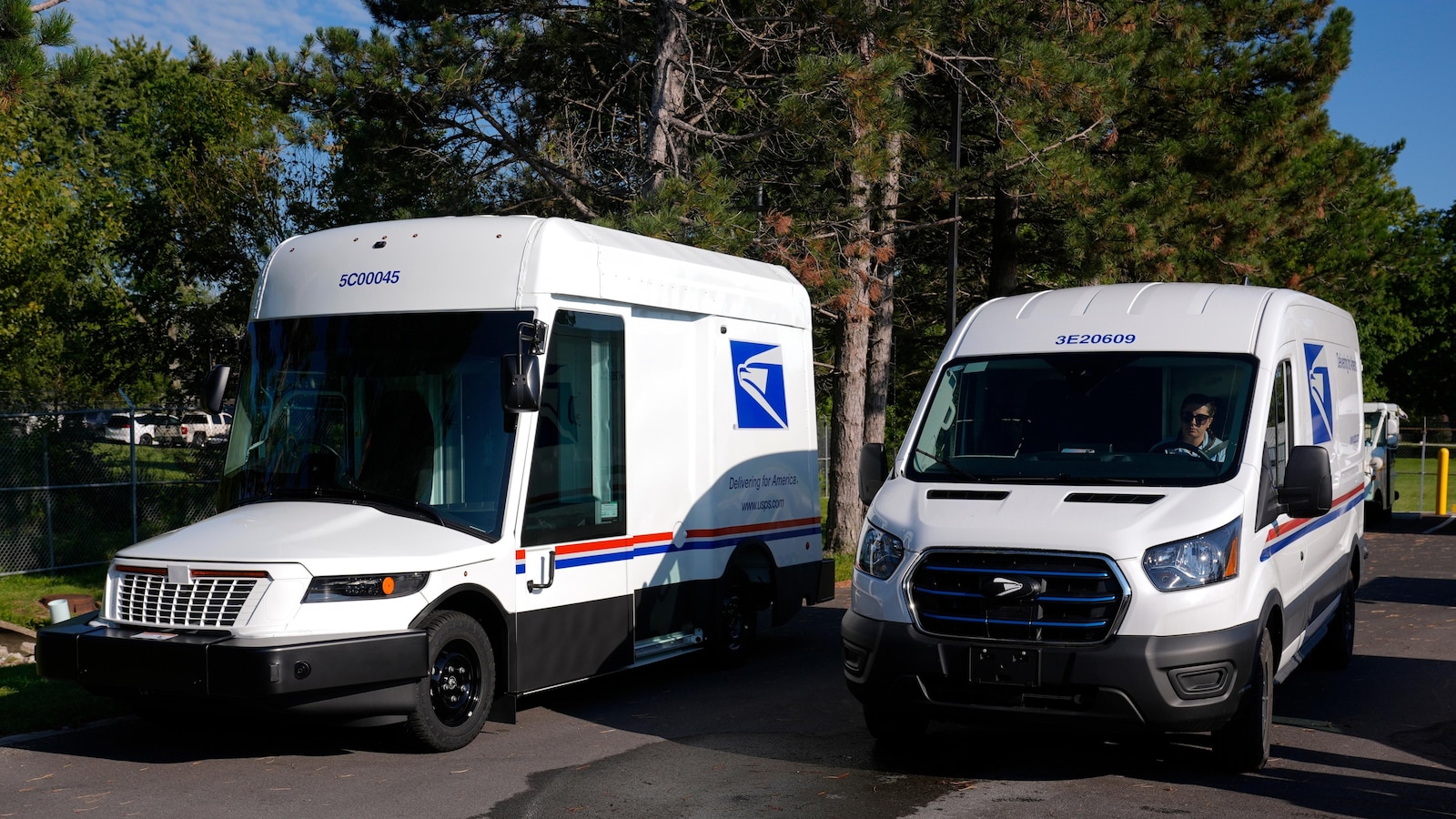
The United States Postal Service has found itself at a financial crossroads, announcing plans to implement a temporary 8% surcharge on some of its most widely used shipping services. This decision, filed with the Postal Regulatory Commission on Wednesday, reflects the mounting pressure the agency faces from escalating transportation expenses that have significantly impacted its operational budget. If regulators give their approval, customers can expect to see these higher rates beginning April 26, 2025, with the surcharge remaining in effect through January 17, 2027. The proposal specifically targets Priority Mail Express, Priority Mail, USPS Ground Advantage, and Parcel Select services—the shipping options many businesses and individuals rely on for faster delivery and package tracking. However, there’s some relief for everyday mail users: the increase won’t touch First-Class Mail stamps or other standard mailing services, meaning sending letters and cards will cost the same as before. The Postal Service has emphasized that this adjustment isn’t arbitrary but rather a calculated response to concrete financial challenges that threaten its ability to maintain service quality across the nation.
Why This Increase Matters Now
Behind this pricing proposal lies a stark reality that the USPS has been grappling with for years: the fundamental way Americans communicate has changed dramatically, and the Postal Service’s business model hasn’t kept pace. Letter volume—once the bread and butter of postal revenue—has plummeted as digital communication has taken over. Think about your own habits: when was the last time you wrote a personal letter versus sending a text or email? This shift has left a massive revenue gap that package delivery alone hasn’t been able to fill, despite the growth in online shopping. The agency has made its case by pointing out that they’ve actually shown considerable restraint compared to private sector competitors like FedEx and UPS, which have implemented multiple surcharges over recent years to offset fuel price volatility. According to USPS officials, their proposed 8% increase amounts to less than one-third of what competing carriers charge for fuel surcharges alone. The agency has deliberately avoided the surcharge approach that has become standard practice in the shipping industry, but current economic pressures have made some form of price adjustment unavoidable. In their public statement, postal officials stressed that “this temporary price adjustment will provide needed flexibility for the Postal Service by helping to ensure that the actual costs of doing business are covered, as required by Congress.” This language is significant because it points to the legal mandate that USPS operate on a self-sustaining basis without relying on taxpayer dollars for operational expenses.
The Bigger Financial Crisis Looming
This rate increase proposal doesn’t exist in isolation—it’s part of a much larger financial emergency that threatens the very existence of the Postal Service as we know it. Postmaster General David Steiner has delivered sobering testimony to Congress, warning lawmakers that without significant intervention, the USPS will completely run out of cash within the next twelve months. This isn’t hyperbole or an exaggeration meant to scare the public; it’s a mathematical certainty based on current revenue trends, fixed costs, and existing debt obligations. The root of this crisis traces back decades to restrictions Congress placed on the Postal Service that have become increasingly problematic in the modern economy. One particularly troublesome constraint is a borrowing cap that limits how much debt the agency can carry, even when that borrowing might be necessary to invest in modernization or weather temporary financial storms. Steiner has been advocating for Congress to lift this outdated cap, arguing that the Postal Service needs the same financial flexibility that any major logistics operation requires to function effectively. But the Postmaster General isn’t just asking for permission to borrow more money—he’s also requesting more fundamental reforms that would give the agency greater control over its own destiny. Chief among these is the authority to set postage rates at levels that actually cover the true cost of service, rather than being constrained by political considerations that keep rates artificially low.
The Delicate Balance Between Service and Sustainability
The Postal Service finds itself in an extraordinarily difficult position that few other organizations face: it must operate like a business while serving a public mission that doesn’t always align with profit maximization. Unlike FedEx or UPS, which can simply decline to serve unprofitable routes or customers, the USPS has a universal service obligation that requires it to deliver mail to every address in America, whether that’s a apartment in Manhattan or a ranch house fifty miles from the nearest town in Montana. This mandate is noble and essential for national cohesion, but it’s also expensive—especially as the profitable urban and suburban routes subsidize the costly rural deliveries less and less effectively due to declining mail volume. The proposed 8% increase on package services represents an attempt to find middle ground, generating additional revenue without completely pricing out customers or abandoning the commitment to affordable postal service. Postal officials have clearly done their homework on competitor pricing, positioning this increase as reasonable and modest within the broader shipping industry context. Yet they’re also acutely aware that any price increase, however justified, will face criticism from both consumers who’ll pay more and businesses that depend on USPS rates to keep their own costs manageable. Small online retailers, in particular, have built business models around USPS pricing that undercuts private carriers, and even an 8% increase could force difficult decisions about shipping offerings and profit margins.
What This Means for Regular Customers and Businesses
For the average person who occasionally ships packages, an 8% increase translates to modest but noticeable cost differences. A Priority Mail package that currently costs $10 to ship would go up by 80 cents under the new rate structure—not devastating, but enough to add up for frequent shippers. Businesses that ship hundreds or thousands of packages monthly will feel the impact more significantly, potentially adding thousands of dollars to annual shipping budgets. E-commerce sellers who’ve advertised “free shipping” may need to reconsider their pricing strategies, either absorbing the additional costs and reducing margins, or passing them along to customers through higher product prices. The timing is particularly challenging given that many businesses are already dealing with inflation across multiple cost categories, from materials to labor to rent. However, it’s worth noting that the increase affects only certain services, leaving cheaper options like First-Class Package Service (for lightweight items) unchanged. Savvy shippers may respond by optimizing their shipping choices, using the most cost-effective service for each shipment rather than defaulting to Priority Mail out of habit. The USPS appears to be counting on this service differentiation, hoping that customers with flexibility will continue using the Postal Service even as some premium service prices rise.
Looking Ahead: The Future of America’s Postal Service
This proposed rate increase is ultimately a temporary bandage on a problem that requires surgery—the Postal Service needs comprehensive reform to remain viable in the 21st century. The broader questions facing lawmakers and the American public are profound: What do we want our Postal Service to be? Should it operate as a self-sustaining business, a subsidized public service, or something in between? Are we willing to pay higher rates for universal service, or should we accept a more limited postal system that operates on stricter business principles? These aren’t easy questions, and different stakeholders have vastly different answers based on their perspectives and priorities. Rural Americans who depend on USPS for prescription medications, essential documents, and connection to the broader world understandably resist changes that might compromise service quality or availability. Urban customers and businesses want affordable, reliable shipping options that help them compete in an increasingly digital marketplace. Postal workers and their unions are fighting to preserve middle-class jobs with decent benefits in an economy where such positions are increasingly rare. Meanwhile, competitors in the private shipping industry are watching closely, ready to capture market share if USPS pricing becomes less competitive or service quality declines. The next year will be critical as Congress decides whether to grant the financial flexibility and pricing authority that postal leadership says is essential for survival. The 8% temporary surcharge might buy some time, but everyone involved knows that more fundamental changes are necessary to ensure that Americans can still rely on their Postal Service decades from now.