


US Postal Service Increases Shipping Rates Amid Rising Fuel Costs and Financial Pressures
Understanding the Temporary Postage Surcharge
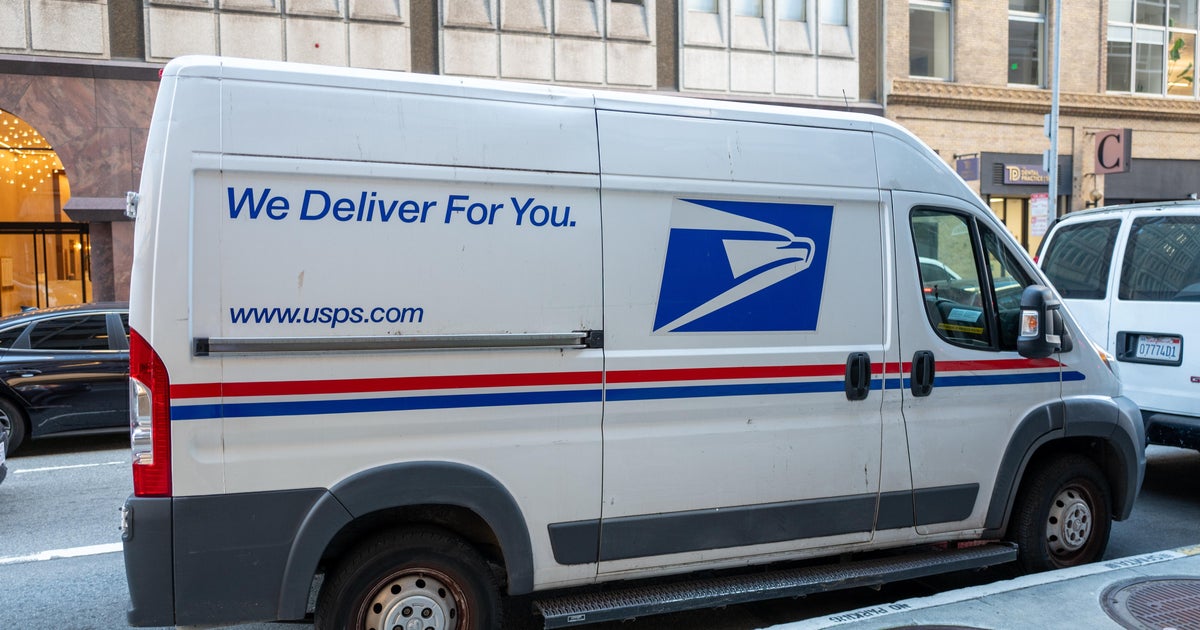
The United States Postal Service has announced a temporary increase in certain shipping rates, marking a significant but measured response to the mounting financial pressures the agency faces. Starting April 26, pending approval from the Postal Regulatory Commission, customers will see an 8% surcharge applied to specific mailing services. This isn’t a decision the USPS has made lightly—the agency has historically resisted adding surcharges and prides itself on offering competitive rates compared to private carriers. The temporary nature of this increase is important to note; it’s scheduled to remain in effect through January 17, 2027, at which point the Postal Service plans to reassess its costs and determine whether the surcharge is still necessary. The agency emphasized that this adjustment provides the flexibility needed to ensure that the actual costs of conducting business are covered, a requirement mandated by Congress for the self-financed organization.
What’s driving this change? The primary culprit is the dramatic surge in fuel prices that has rippled through the economy following escalating tensions related to the Iran conflict. Gas prices have climbed significantly, with the average cost per gallon approaching $4—more than a dollar higher than just a month prior. Even more striking is the increase in diesel fuel, which has jumped from $3.75 to $5.37 per gallon in the same timeframe. For an organization that operates one of the world’s largest civilian vehicle fleets and delivers to every address in America, these fuel cost increases represent a substantial and immediate financial burden. Beyond just fuel, the USPS is also grappling with broader transportation-related expenses, including logistics challenges and increased vehicle maintenance costs, all of which have contributed to the decision to implement this temporary surcharge.
Which Services Are Affected and Which Aren’t
For everyday consumers who simply want to mail a letter or card, there’s good news: the cost of first-class stamps will remain unchanged at the current rate of 78 cents. This is an important distinction because first-class mail represents the most common interaction most Americans have with the Postal Service. The 8% surcharge specifically targets services that are more shipping-oriented and typically used by businesses and individuals sending packages rather than standard letters. The affected services include Priority Mail Express, which offers the fastest delivery times with overnight shipping to most locations; Priority Mail, the mid-tier option that typically delivers within one to three business days; USPS Ground Advantage, a cost-effective option for packages that don’t require expedited delivery; and Parcel Select, which is primarily used by large-volume shippers and retailers.
This targeted approach reflects the USPS’s understanding of its customer base and an effort to minimize the impact on everyday Americans while addressing the cost increases most directly related to package delivery and transportation. The agency operates as a self-financed federal entity, meaning it doesn’t receive tax dollars for its day-to-day operating expenses. Instead, it funds its operations through the sale of postage, products, and services. This business model means that when costs rise unexpectedly, the USPS must find ways to cover those expenses without the safety net of government funding that many assume exists. Despite this new surcharge, the Postal Service maintains that it continues to offer exceptional value, noting that the 8% increase is less than one-third of what competitors charge for fuel surcharges alone, and that USPS rates remain among the lowest in the industrialized world.
The Broader Financial Challenges Facing USPS
The temporary fuel surcharge, while significant, represents just one piece of a much larger financial puzzle that the Postal Service is working to solve. The agency reported a staggering $9 billion loss in 2025, a figure that underscores the magnitude of the challenges it faces. These losses aren’t new—the USPS has struggled with financial difficulties for years, caught between declining mail volume as Americans increasingly turn to digital communication, and the legal obligation to provide universal service to every address in the country at uniform prices. Unlike private carriers, the Postal Service can’t simply decide not to deliver to remote or unprofitable locations; it must serve everyone equally, regardless of the cost.
U.S. Postmaster General David Steiner recently testified before Congress, painting a sobering picture of the agency’s financial future. During a House Oversight Committee hearing earlier this month, Steiner revealed that the USPS is at risk of running out of cash within the next twelve months if significant changes aren’t implemented. This urgent timeline has prompted discussions about more substantial rate increases beyond the temporary fuel surcharge. Steiner indicated that the agency is considering raising first-class stamp prices to between 90 and 95 cents—a substantial jump from the current 78-cent rate. Such an increase would represent approximately a 15-22% price hike for the most commonly purchased postal product, a move that would undoubtedly generate public attention and debate about the value and future of traditional mail service.
The Ten-Year Plan and Path to Sustainability
In response to these mounting challenges, the Postal Service has developed a comprehensive ten-year plan designed to reduce expenses and restore the agency to profitability. This strategic roadmap involves multiple initiatives, from modernizing facilities and optimizing delivery routes to investing in more fuel-efficient vehicles and exploring new revenue streams. The plan acknowledges that the postal landscape has fundamentally changed and that the USPS must evolve to remain viable in an increasingly digital world. However, implementing such sweeping changes while maintaining the high level of service that Americans expect is no small feat, and the financial pressures the agency faces make this transformation even more challenging.
The reality is that achieving long-term financial sustainability will require a delicate balance. The USPS must find ways to reduce costs and increase efficiency without compromising its core mission of universal service. This might include consolidating processing facilities, adjusting delivery schedules in some areas, and continuing to negotiate with employee unions regarding wages and benefits, which represent a significant portion of operating costs. At the same time, the agency must invest in its infrastructure and workforce to remain competitive with private carriers and meet the growing demands of e-commerce, which has become an increasingly important part of the USPS business model. The ten-year plan represents the agency’s best thinking about how to navigate these competing priorities, but success is far from guaranteed, especially when external factors like fuel prices and international conflicts can so dramatically impact costs.
What This Means for Customers and Businesses
For individual consumers, the immediate impact of these changes will vary depending on how they use postal services. Those who primarily send letters and cards will, for now, see no change in their costs, as first-class stamps remain at 78 cents. However, anyone who regularly ships packages—whether selling items online, sending gifts to family, or running a small business—will notice the 8% increase on Priority Mail and other package services. While 8% might seem modest compared to some price increases consumers have experienced in other sectors, it still represents a real cost that will add up, particularly for those who ship frequently or in volume.
Small businesses and online retailers may feel this increase more acutely, as shipping costs directly affect their bottom line and competitiveness. Many small enterprises have relied on the USPS for affordable shipping options that allow them to compete with larger companies that have negotiated rates with private carriers. The 8% surcharge, while temporary, adds to their operating costs during a period when many businesses are already dealing with inflation and other economic pressures. Some may absorb these costs to maintain customer satisfaction, while others might pass them along through increased product prices or shipping fees. The broader concern for these businesses is what comes next—if first-class stamp prices do increase to 90-95 cents as the Postmaster General has suggested, and if additional rate adjustments are needed beyond the temporary fuel surcharge, the cumulative effect on small business shipping costs could be substantial. This reality highlights the interconnected nature of postal rates and the broader economy, where changes to USPS pricing ripple outward, affecting businesses, consumers, and ultimately, economic activity in communities across the country.