

JD Vance’s Hungary Visit: A Show of Support Before Pivotal Elections
High-Stakes Visit Ahead of Crucial Vote
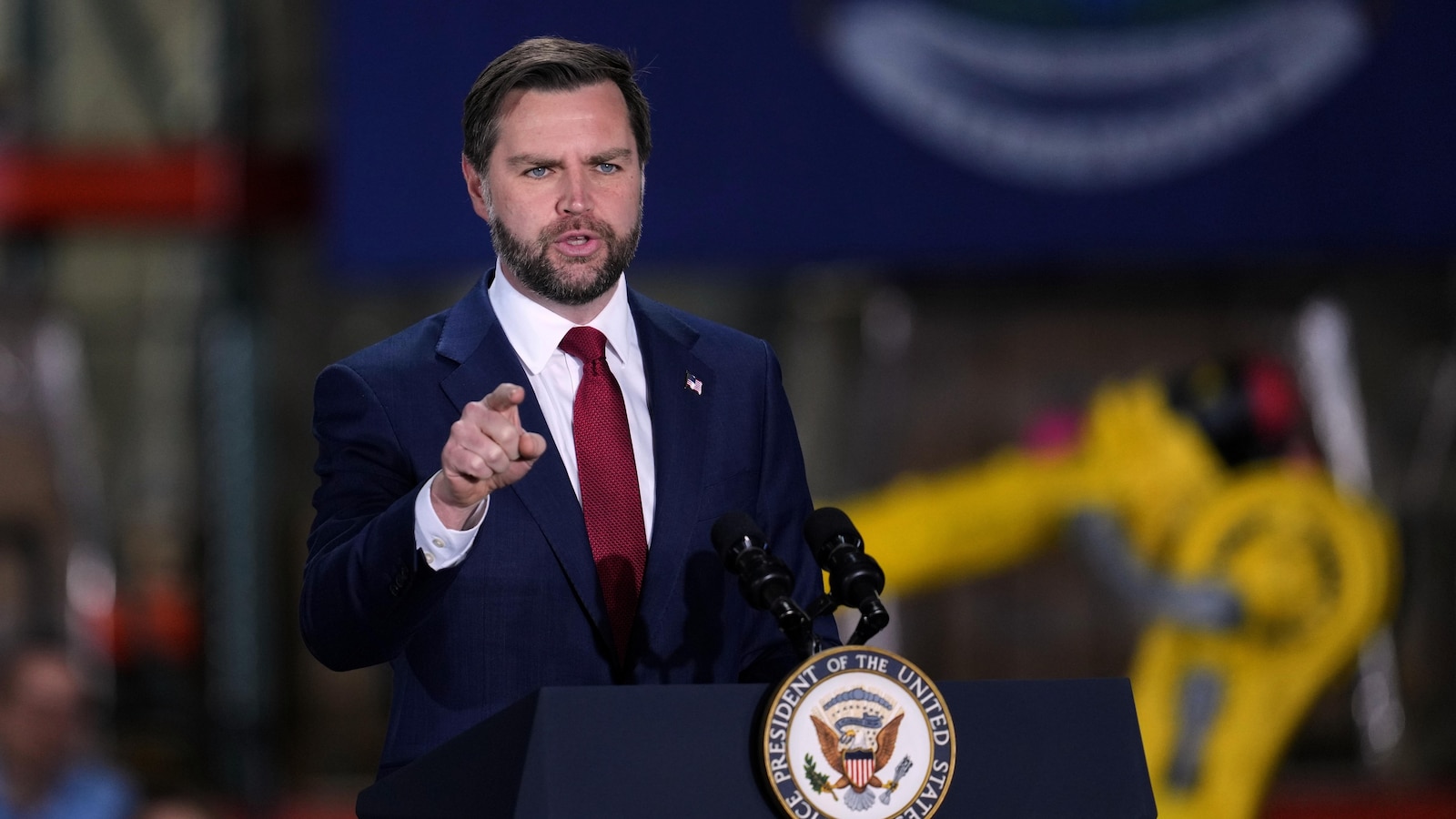
In what could prove to be a pivotal moment in Hungarian politics, U.S. Vice President JD Vance is planning a visit to Hungary just days before Prime Minister Viktor Orbán faces what many are calling the most significant electoral challenge of his lengthy political career. The announcement came from Hungary’s Foreign Minister Péter Szijjártó during a podcast interview that aired on Friday, though Vance’s office has remained silent on confirming the trip. The timing of this potential visit is particularly noteworthy, coming as it does in the final stretch before Hungary’s April 12 elections, when Orbán will seek his fifth consecutive term in office. This marks a remarkable test for the nationalist leader who has maintained an iron grip on Hungarian politics since 2010, but now finds himself in unfamiliar territory as opinion polls suggest he may be trailing his main opponent.
Orbán Faces Unprecedented Challenge
For the first time in nearly two decades, Viktor Orbán’s political dominance is being seriously questioned. The man challenging this seemingly unshakeable political force is Péter Magyar, leader of the center-right Tisza party, who has emerged as a formidable opponent with a message that resonates with many Hungarians tired of the current regime. Magyar’s campaign platform strikes at the heart of concerns that have been building for years among critics of Orbán’s government. He has pledged to restore Hungary’s democratic institutions, which international observers and domestic critics argue have been systematically weakened during Orbán’s tenure. Beyond domestic reforms, Magyar promises to reorient Hungary’s foreign policy, steering the country back toward its traditional Western allies and away from the increasingly pro-Russian stance that has characterized Orbán’s recent years in power. The fact that Orbán has been forced to embark on a nationwide campaign tour to shore up support speaks volumes about how seriously his party is taking this challenge. For a leader who once seemed politically invincible, the current situation represents a potentially defining moment.
Strategic Diplomatic Maneuvering
Foreign Minister Péter Szijjártó framed Vance’s anticipated visit as a natural outcome of the “very intensive Hungarian-American intergovernmental relationship,” though he stopped short of providing specific dates for when the Vice President might arrive in Budapest. This visit, if it occurs, would represent the second high-profile show of American support for Orbán in recent weeks. Just last month, U.S. Secretary of State Marco Rubio traveled to Budapest and made headlines with his strong public endorsement of Orbán’s candidacy for another term. These visits underscore the complex and sometimes controversial relationship between the current U.S. administration and Orbán’s government, which stands in stark contrast to the more skeptical stance taken by previous American administrations and many of Hungary’s European Union partners. The timing of these diplomatic engagements is clearly strategic, designed to bolster Orbán’s standing with voters by demonstrating that he maintains powerful international allies, particularly in Washington.
The Trump-Orbán Alliance
Viktor Orbán has positioned himself as one of President Donald Trump’s most enthusiastic and vocal supporters within the European Union, a relationship that has become increasingly important to his political brand both at home and abroad. This alliance represents more than just diplomatic courtesy; Orbán has actively cultivated Trump’s favor through public praise, policy alignment on various issues, and by positioning himself as a like-minded leader who shares the American president’s worldview on nationalism, immigration, and skepticism toward certain international institutions. The Hungarian prime minister has made no secret of his hopes that this relationship might pay political dividends at home. Orbán has even gone so far as to express his desire for Trump himself to visit Hungary before the April elections, which would represent an unprecedented level of American presidential involvement in a European Union member state’s domestic politics. While that particular scenario has not materialized, the visits by Rubio and potentially Vance demonstrate that the Trump administration is willing to use its diplomatic weight to signal support for Orbán at this critical juncture.
Broader Implications for European Politics
The attention being paid to Hungary’s elections extends far beyond the country’s borders, reflecting broader tensions within the European Union about democratic values, rule of law, and the direction of European politics. Orbán has long been a controversial figure in Brussels, where EU officials have raised concerns about press freedom, judicial independence, and the treatment of civil society organizations under his government. His warm relationship with Russia’s Vladimir Putin, even as most European nations have moved to isolate Moscow following its invasion of Ukraine, has further complicated Hungary’s position within the European community. The involvement of high-ranking U.S. officials in what amounts to endorsing Orbán’s reelection campaign has raised eyebrows among European leaders and diplomats who view such intervention as inappropriate and potentially destabilizing. For many observers, this election represents a test case for whether populist nationalist leaders can maintain power indefinitely in democratic systems, or whether there are natural limits to how long such figures can dominate their political landscapes.
What’s at Stake
As Hungary approaches this crucial election, the stakes extend well beyond determining who will lead the government for the next term. This vote will shape the country’s trajectory on fundamental questions about democracy, rule of law, and international alignment for years to come. For supporters of Péter Magyar and the opposition, this election represents perhaps the best opportunity in years to restore what they see as eroding democratic norms and to bring Hungary back into the European mainstream. They argue that Orbán’s years in power have concentrated too much authority in the hands of his party, weakened checks and balances, and isolated Hungary from its natural allies. For Orbán’s supporters, however, he represents stability, national sovereignty, and a leader willing to stand up to what they perceive as overreach by European Union bureaucrats. His supporters appreciate his strong stance on immigration, his defense of traditional values, and his willingness to challenge what they see as a liberal consensus in Western Europe. The outcome of this election will send signals about the durability of populist nationalist movements across Europe and the effectiveness of opposition forces in mounting credible challenges to entrenched leaders. Regardless of which side prevails on April 12, the tight race and the international attention it has garnered demonstrate that Hungarian politics has entered a new and uncertain phase, with implications that will be felt far beyond the country’s borders.