


Warner Bros. Discovery Reopens Talks with Paramount as Competing Bids Heat Up
A High-Stakes Battle for Media Empire Control
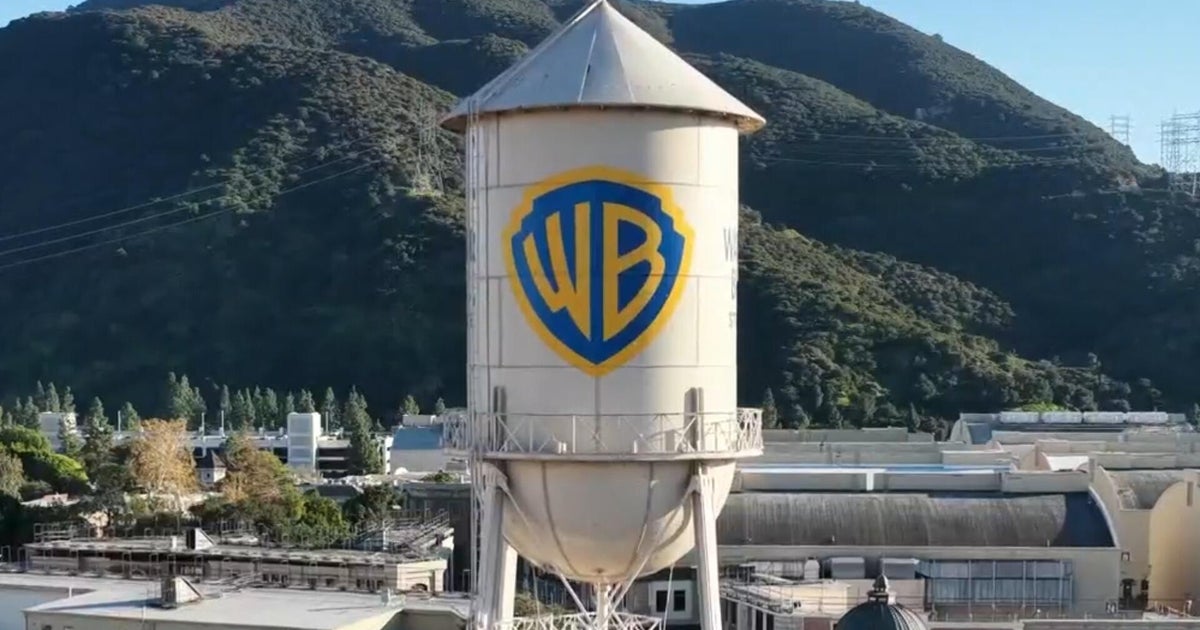
The entertainment industry is witnessing a dramatic showdown as Warner Bros. Discovery finds itself at the center of a bidding war between streaming giant Netflix and rival media conglomerate Paramount Skydance. In a stunning development announced Tuesday, Warner Bros. Discovery revealed it would resume acquisition negotiations with Paramount Skydance after Netflix—which had previously secured an agreement to purchase the company—granted Warner a seven-day window to consider a competing offer. This move sets the stage for what could be one of the most significant media mergers in recent history, with billions of dollars and the future shape of the entertainment landscape hanging in the balance.
The situation underscores the rapidly evolving nature of the media industry, where traditional studios and streaming platforms are jockeying for position in an increasingly competitive marketplace. Warner Bros. Discovery, home to iconic franchises and a treasure trove of beloved content, has become the prize that both Netflix and Paramount Skydance believe could solidify their positions as entertainment powerhouses for decades to come. The company’s extensive portfolio includes not just legendary film properties but also major cable television networks, making it an exceptionally attractive target for companies looking to expand their reach and content libraries in one transformative deal.
The Competing Offers: Netflix versus Paramount Skydance
At the heart of this media drama are two distinctly different proposals, each with its own strategic vision and financial structure. Netflix, the streaming pioneer that revolutionized how audiences consume entertainment, initially secured an agreement to acquire Warner Bros. Discovery at $27.75 per share. Under Netflix’s proposal, the streaming service would primarily focus on Warner’s crown jewels: its legendary movie studio, which boasts some of cinema’s most enduring franchises including the “Harry Potter” series, “The Matrix” trilogy, and classic films like “Casablanca,” along with the company’s streaming assets. This targeted approach would allow Netflix to significantly bolster its content library with established, bankable properties that have proven their ability to attract audiences across generations.
Meanwhile, Paramount Skydance, the parent company of CBS News and a major player in its own right, has put forward what it characterizes as a financially superior offer. Initially proposing $30 per share—already higher than Netflix’s bid—Paramount Skydance has now indicated through a senior representative that it’s prepared to increase its offer to $31 per share and potentially sweeten the deal even further. But the differences between the two proposals extend far beyond just the price per share. While Netflix’s offer focuses on specific assets, Paramount Skydance has proposed acquiring all of Warner Bros. Discovery, including its extensive cable television properties such as CNN, TBS, TNT, and other networks. This comprehensive approach would create a traditional media behemoth combining content creation, distribution, and news operations under one corporate umbrella—a very different vision from Netflix’s streaming-focused strategy.
Regulatory Considerations and Strategic Implications
One of the key arguments Paramount Skydance is making in its pursuit of Warner Bros. Discovery centers on regulatory approval. The company has asserted that its bid is more likely to receive the green light from federal antitrust regulators compared to Netflix’s offer. This claim carries significant weight in today’s regulatory environment, where government officials have shown increasing scrutiny of big tech and media consolidation. The logic behind Paramount Skydance’s confidence likely stems from the fact that its acquisition would represent a combination of traditional media companies, whereas Netflix’s purchase might raise concerns about a streaming giant further consolidating its market dominance. In an era where antitrust enforcement has become more aggressive, the ability to secure regulatory approval could prove just as important as the financial terms of any deal.
For Netflix, the counterargument is clear and was articulated in the company’s statement on Tuesday. The streaming leader expressed confidence that its offer would indeed pass regulatory scrutiny and emphasized that the acquisition would actually benefit consumers. “A combined Netflix and Warner Bros. will strengthen the entertainment industry, preserve choice and value for consumers and give creators more opportunities,” the company stated. This framing positions the potential merger as pro-competitive rather than monopolistic, suggesting that combining Netflix’s distribution prowess with Warner’s content creation capabilities would enhance rather than diminish competition in the marketplace. The company appears to be banking on the argument that in a fragmented streaming landscape with numerous competitors, adding Warner Bros. Discovery’s assets wouldn’t substantially reduce competition but would instead create a stronger competitor to other major players.
Warner Bros. Discovery’s Position and Timeline
Caught between these two suitors, Warner Bros. Discovery CEO David Zaslav has maintained a measured approach while clearly leaving the door open for the best possible outcome for shareholders. In his statement, Zaslav noted that the company has consistently provided Paramount Skydance with “clear direction on the deficiencies in their offers and opportunities to address them.” This language suggests that while Warner Bros. Discovery had reservations about Paramount Skydance’s initial proposals, the company is willing to engage if those concerns can be adequately addressed. The CEO emphasized that Warner is now working with Paramount Skydance “to determine whether they can deliver an actionable, binding proposal that provides superior value and certainty for WBD shareholders through their best and final offer.”
The timeline for this high-stakes negotiation is remarkably compressed. Netflix has given Warner Bros. Discovery until February 23 to explore and potentially finalize an alternative deal with Paramount Skydance—a window of just seven days from the announcement. This tight deadline creates urgency and pressure on all parties involved. Despite engaging in these new discussions, Warner Bros. Discovery’s board of directors has maintained its recommendation that shareholders vote in favor of the Netflix deal, with that shareholder vote scheduled for March 20. This seemingly contradictory position—encouraging shareholders to support the Netflix deal while simultaneously exploring Paramount Skydance’s offer—reflects the fiduciary responsibility of the board to consider all options that might deliver superior value while maintaining a viable backup plan if negotiations with Paramount Skydance don’t produce a better alternative.
Market Reaction and Industry Implications
The market’s response to these developments offers insight into how investors are processing this complex situation. In early trading following the announcement, Warner Bros. Discovery shares rose 63 cents, or 2.2 percent, to $28.61—a price point notably above Netflix’s offer but still below Paramount Skydance’s proposed $31 per share. This suggests that investors see value in the competing bid but maintain some skepticism about whether a deal will ultimately materialize at that higher price. More dramatically, Paramount Skydance’s stock climbed 6.4 percent, indicating investor enthusiasm about the potential acquisition and what it might mean for the company’s competitive position. Interestingly, Netflix shares dipped 1.6 percent, possibly reflecting concern that the streaming giant might need to increase its offer or potentially lose out on an acquisition it had considered secured.
The broader implications of whichever deal ultimately prevails will reshape the entertainment industry in fundamental ways. A Netflix acquisition would represent the continued ascendance of streaming platforms over traditional media, with a tech-forward company absorbing one of Hollywood’s legacy studios and further blurring the lines between content creation and distribution. Conversely, a Paramount Skydance acquisition would create a traditional media superpower with assets spanning film production, streaming services, cable networks, and news operations—a more conventional consolidation that would create a vertically integrated competitor capable of challenging both streaming services and traditional broadcasters. Either outcome would likely trigger additional consolidation in an industry already undergoing massive transformation as companies seek the scale necessary to compete in an increasingly fragmented media landscape where audience attention is divided among countless options.
As the February 23 deadline approaches, all eyes in the entertainment world will be watching to see whether Paramount Skydance can deliver a proposal compelling enough to derail the Netflix deal, or whether the streaming giant’s original agreement will hold. Regardless of the outcome, this bidding war underscores the tremendous value still placed on premium content and established entertainment brands, even in an era of disruption and change. The winner will gain not just a company, but a legacy of storytelling, a catalog of beloved franchises, and a platform for shaping the future of entertainment—making this one of the most consequential media deals of the decade.