


U.S. Faces Critical Decision on Protecting Gulf Allies Amid Missile Interceptor Shortage
Growing Concerns Over Depleted Defense Resources
The United States is confronting a significant challenge in the Middle East as its Gulf allies face a critical shortage of missile interceptors, forcing these nations to make difficult decisions about which incoming threats to engage and which to let pass. According to multiple sources who spoke with CBS News, the White House has been fully briefed on the situation and is actively discussing how to address this dangerous gap in the region’s defenses. The issue first came to light when CBS News correspondent Margaret Brennan reported on March 5 that Gulf states were running perilously low on these essential defensive weapons and had formally requested that the United States expedite the delivery of new supplies. While American officials reportedly assured regional allies that a special task force would be established to rush new interceptors to the region, sources close to the situation indicate that the response hasn’t been moving at the pace these countries desperately need, leaving them vulnerable as threats continue to materialize.
The Impossible Choice: What to Defend and What to Risk
The shortage has created an unprecedented and deeply troubling situation for Gulf state military commanders who now face the grim reality of rationing their defensive capabilities. When a missile or drone appears on radar screens, military personnel must rapidly assess the potential target and decide whether the threat warrants using one of their dwindling supply of interceptors. This means making split-second calculations about the value of potential targets versus the need to preserve defensive resources for future attacks that might pose even greater risks. Such decisions put civilian populations at risk and create anxiety throughout the region as people wonder whether their cities, infrastructure, or homes will be deemed important enough to defend if an attack comes. This situation represents not just a military challenge but a humanitarian crisis in the making, as the protective umbrella that has shielded millions of people in the Gulf region begins to show dangerous gaps that adversaries could exploit.
Pentagon’s Assurances Amid Escalating Tensions
In a recent interview on the prestigious news program “60 Minutes,” Defense Secretary Pete Hegseth addressed the interceptor shortage directly when questioned by CBS News chief Washington correspondent about the situation. Hegseth projected confidence, stating that the United States is “very prepared” and that military planners have accounted for scenarios requiring the resupply of allies in the region. He emphasized what he described as a significant achievement in degrading Iran’s offensive capabilities, claiming that Iranian missile capacity has been reduced by approximately 90%. Hegseth further asserted that U.S. projections regarding munitions stockpiles show supplies “well beyond what we would need,” suggesting that America maintains sufficient reserves to address both its own defense needs and those of its partners. The Defense Secretary indicated that the United States could assist with resupply efforts or facilitate “crossload” operations to transfer interceptors between allies if necessary, though he emphasized that protecting American forces, troops, and bases would always take priority. Despite these priorities, Hegseth committed that “where we can help allies, we will,” signaling American willingness to support regional partners facing this critical shortage.
Iran’s Continued Aggression Tests Regional Defenses
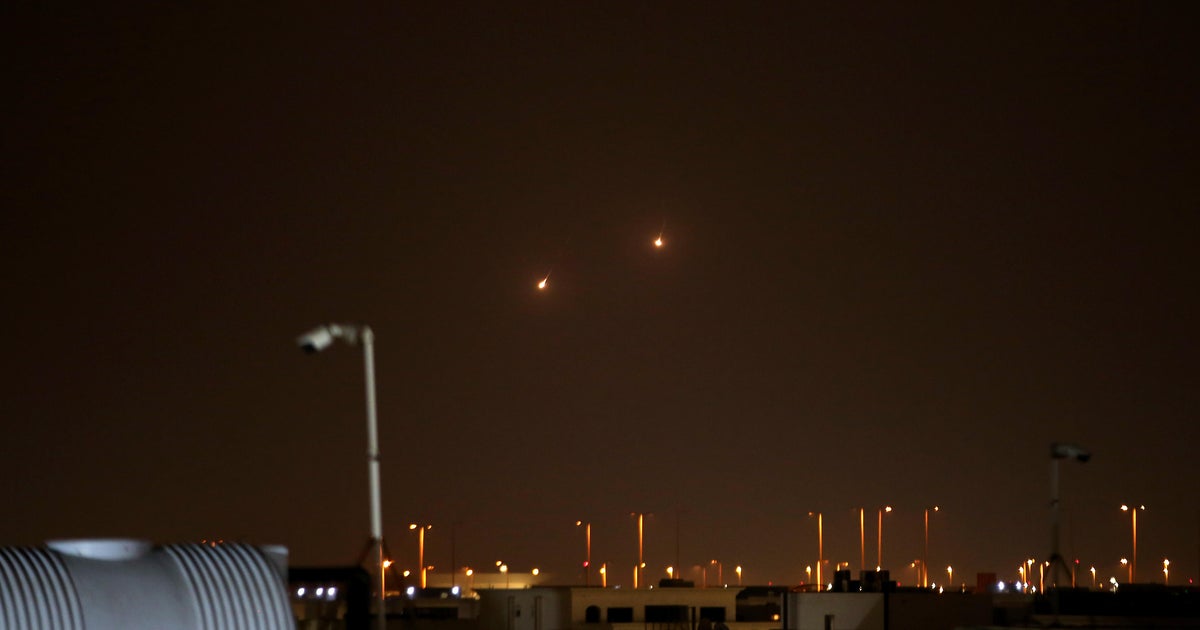
Even as discussions about resupply continue, the threat hasn’t paused. Iran has maintained its aggressive posture, continuing to launch missiles and drones toward Gulf states throughout Monday and Tuesday of this week. These ongoing attacks underscore the urgency of the interceptor shortage and demonstrate that this isn’t merely a theoretical problem but an active crisis with real-world consequences. The most tragic evidence of this came overnight when a missile strike hit an apartment building in Bahrain, killing a woman, according to that country’s interior ministry. This fatal attack serves as a sobering reminder that the shortage of defensive interceptors isn’t just about military hardware or strategic calculations—it’s about protecting innocent civilians going about their daily lives. The woman’s death in her own home illustrates the human cost when defensive systems fail or when difficult choices about what to protect must be made. As Iran continues its campaign of missile and drone attacks, the pressure on Gulf states to make impossible decisions about defense priorities only intensifies, while the urgency for American resupply efforts grows more acute with each passing day.
The Strategic Implications of Defense Gaps
The interceptor shortage reveals broader concerns about the sustainability of modern defense strategies that rely heavily on expensive, precision-guided missiles to counter relatively inexpensive drones and missiles. This asymmetry creates a troubling economic equation where defenders must spend millions to counter threats that cost adversaries a fraction of that amount to produce and launch. For Gulf states, which have invested billions in sophisticated air defense systems, the current shortage exposes a vulnerability in their defense architecture—they can possess the most advanced launchers and radar systems in the world, but without adequate supplies of interceptors, these systems become little more than expensive observation posts. The situation also raises questions about the global supply chain for these critical defense articles and whether production capacity can meet the demands of an era where missile and drone attacks have become increasingly common. For the United States, which has positioned itself as the security guarantor for these Gulf allies, the shortage tests American credibility and the practical limits of extended deterrence in an age of proliferated missile technology.
Looking Ahead: Balancing Commitments and Capabilities
The developing situation in the Gulf presents American policymakers with difficult choices about resource allocation, alliance commitments, and strategic priorities in an increasingly complex global security environment. Defense Secretary Hegseth’s comments reflect the delicate balance the United States must strike—maintaining sufficient stockpiles for its own forces while supporting allies who depend on American military assistance for their survival. The reported creation of a task force to address the resupply issue suggests recognition at the highest levels of government that this problem requires urgent attention and coordinated action across multiple agencies. However, the gap between when allies requested expedited supplies and the pace of actual delivery indicates the practical challenges involved in surging production and shipping of these sophisticated weapons systems. As Iran continues to demonstrate its willingness to attack targets throughout the Gulf region, the pressure on American decision-makers will only increase. The fatal strike in Bahrain serves as a tragic reminder that delays in addressing this shortage carry real human costs. Moving forward, the United States will need to find ways to accelerate interceptor production, streamline delivery processes, and perhaps reconsider the broader strategic approach to defending against the kind of sustained missile and drone campaigns that have become a signature of modern Middle Eastern conflicts. The resolution of this crisis will likely shape regional security dynamics and alliance relationships for years to come.