


The Cliff’s Edge: A Marriage’s Deadly Turn in Paradise
A Birthday Trip That Turned Into a Nightmare
What should have been a romantic birthday celebration in Hawaii became the scene of an alleged attempted murder that has shocked the medical community and captured national attention. Arielle Konig, a nuclear engineer, stood before a packed courtroom on Tuesday to recount the terrifying moments exactly one year prior when her husband, Dr. Gerhardt Konig, allegedly tried to end her life on a scenic hiking trail. The couple had traveled to the island of Oahu to celebrate Arielle’s birthday, walking along the popular Pali Puka trail with its breathtaking views and dramatic cliff edges. According to Arielle’s testimony, what began as a disagreement about taking a photograph near the cliff’s edge escalated into a brutal attack that left her bloodied and fighting for her life. The case has raised disturbing questions about what can lurk beneath the surface of seemingly successful marriages and the warning signs that might have been missed before that fateful day in Hawaii.
A Terrifying Testimony: “You’re Done”
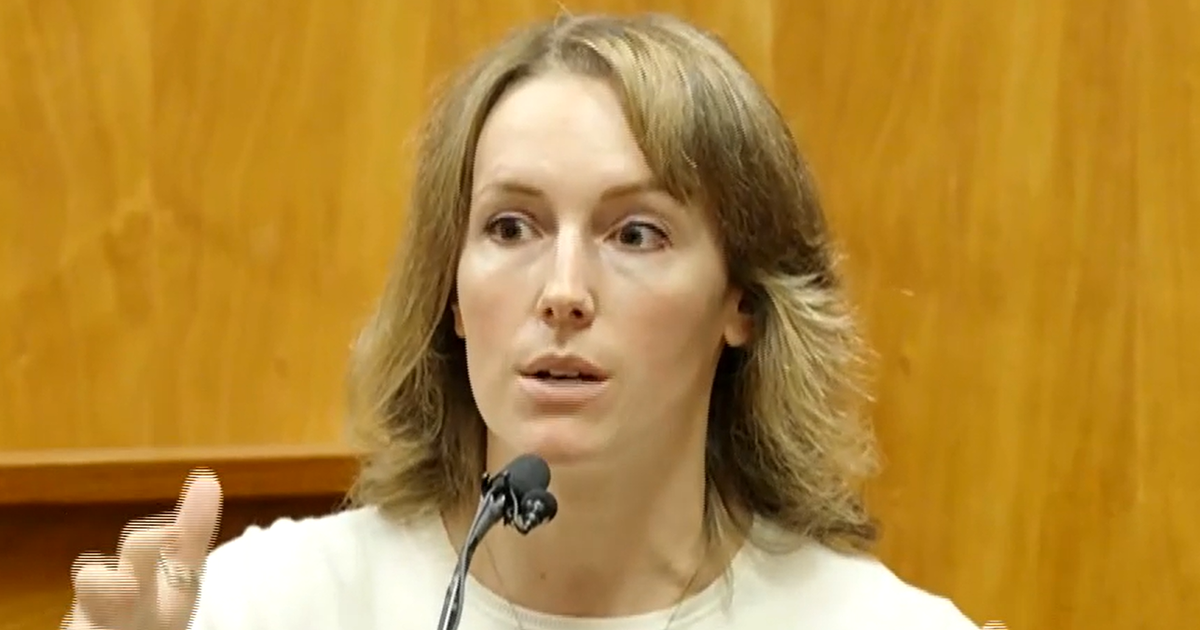
Arielle Konig’s testimony painted a harrowing picture of those moments on the cliff. Speaking clearly despite the obvious emotional weight of reliving the trauma, she described how a simple request to take a selfie near the edge of the cliff triggered an explosive reaction from her husband. “I walked up to him, he grabbed me really forcibly by my upper arms and he said, ‘I’m so f** sick of this s***. Get back over there.’ And he starts pushing me back towards the cliff,” she told the hushed courtroom. But the alleged attack didn’t end with pushing. Arielle testified that her husband, an anesthesiologist with access to medical supplies and knowledge of how to harm the human body, attempted to inject her with a syringe. When that attempt failed, she said the violence escalated further. According to her testimony, Gerhardt grabbed a rock and repeatedly bashed her head while delivering a chilling message: “He’s saying, like, ‘You’re done. We’re done with you. We don’t need you anymore. You’re done. You’re done.'” The repetition of those words, according to those present in the courtroom, seemed to echo the methodical, determined nature of the alleged attack. Arielle’s survival and ability to testify is itself remarkable given the severity of the injuries she sustained.
A Witness to Horror: The Nurse Who Called for Help
The prosecution’s case was bolstered by the testimony of Sarah Bucksbom, a nurse who happened to be hiking the same trail that day and witnessed the aftermath of the alleged attack. Bucksbom’s 911 call and subsequent testimony provided crucial third-party verification of Arielle’s condition immediately following the incident. “Her face was covered in blood. Her head was covered in — she was just fully covered in blood,” Bucksbom told the court, her words painting a visceral picture of what she encountered on that trail. As a medical professional herself, Bucksbom would have immediately recognized the severity of Arielle’s injuries and the urgent need for intervention. Her decision to call 911 and her presence as an independent witness has proven invaluable to prosecutors building their case against Dr. Konig. The random presence of a trained medical professional at the scene of this alleged crime has been described by legal observers as fortunate for the prosecution, as it provides credible, expert testimony about the victim’s condition that cannot easily be disputed or reframed by the defense.
The Defense’s Counternarrative: A Claim of Self-Defense
Dr. Gerhardt Konig’s defense attorney, Thomas Otake, has constructed a dramatically different version of events, attempting to paint Arielle as the aggressor and his client as someone who merely defended himself. During opening statements, Otake claimed that the nuclear engineer was actually the one who initiated violence after her husband confronted her about an alleged extramarital affair. According to this defense narrative, Arielle picked up a rock first and struck Gerhardt in the face, prompting what Otake characterized as a natural human reaction. “She picks up a rock and hits him in the face with it, and he quickly reacts, human reaction, grabs the rock, hits her twice, and stops,” Otake argued before the jury. The defense strategy appears to hinge on portraying their client as someone who acted instinctively in self-defense rather than with murderous intent. However, this narrative must contend with the physical evidence, witness testimony, and the question of why a self-defense scenario would result in one party being “fully covered in blood” while hiking on a trail. The defense’s version of events will need to explain numerous details that seem inconsistent with a brief, reactive self-defense scenario, including the alleged attempt to inject Arielle with a syringe and the alleged statements about being “done” with her.
A Troubling Phone Call: Confession or Suicide Note?
Perhaps the most dramatic piece of evidence in the case is a phone call Dr. Konig made to his 19-year-old son following the incident on the trail. Both the prosecution and defense acknowledge this call occurred, but they interpret its meaning in starkly different ways that could prove decisive in the trial’s outcome. The defense characterizes the call as evidence of a man contemplating suicide due to overwhelming guilt and shame about what had transpired during a moment of lost control. “He was calling him to say goodbye. He was calling him to tell him he was sorry. He was calling him to tell him he wished he was a better man,” attorney Otake explained to the jury, attempting to frame his client as remorseful rather than murderous. The prosecution, however, views this same call as nothing less than a confession to attempted murder. Deputy prosecuting attorney Joel Garner told the court that during the call, Dr. Konig explicitly stated: “I am not going to make it back. I tried to kill Arielle, but she got away.” This interpretation suggests premeditation and clear intent rather than a reactive moment of self-defense. The actual recording or transcript of this call will likely be central to the jury’s deliberations, as they must decide whether it represents the words of a would-be murderer caught in the act or a man in crisis contemplating ending his own life.
The Aftermath and What Comes Next
The legal proceedings have moved forward against a backdrop of personal devastation for all involved. Following the alleged attack, Arielle Konig took legal steps to protect herself, filing a petition for a temporary restraining order against her husband. By May 2025, she had filed for divorce, officially ending a marriage that had taken such a dark turn on that Hawaiian clifftside. Dr. Gerhardt Konig, who had built a respected career as an anesthesiologist, first at the University of Pittsburgh Medical Center and later with the Anesthesia Medical Group in Hawaii, now faces second-degree attempted murder charges. If convicted, he faces up to life in prison, a stunning fall for someone who once took an oath to do no harm. As the trial continues, significant questions remain unanswered. Will Dr. Konig take the stand to tell his version of events in his own words, or will his defense team decide that the risks of cross-examination are too great? Will his son testify about that phone call and provide context that might help the jury understand his father’s state of mind? The case serves as a sobering reminder that violence can erupt in unexpected places and that the people we think we know best can sometimes surprise us in the most horrifying ways. For Arielle Konig, the journey from victim to survivor to witness has taken a full year, and the trial represents both an opportunity for justice and a painful reliving of trauma. Whatever the verdict, the scars from that day on the Pali Puka trail—both physical and emotional—will likely remain with her forever.