


Global Energy Crisis: Iran Conflict Threatens World’s Most Critical Oil Supply Routes
The Chokepoint That Powers the World
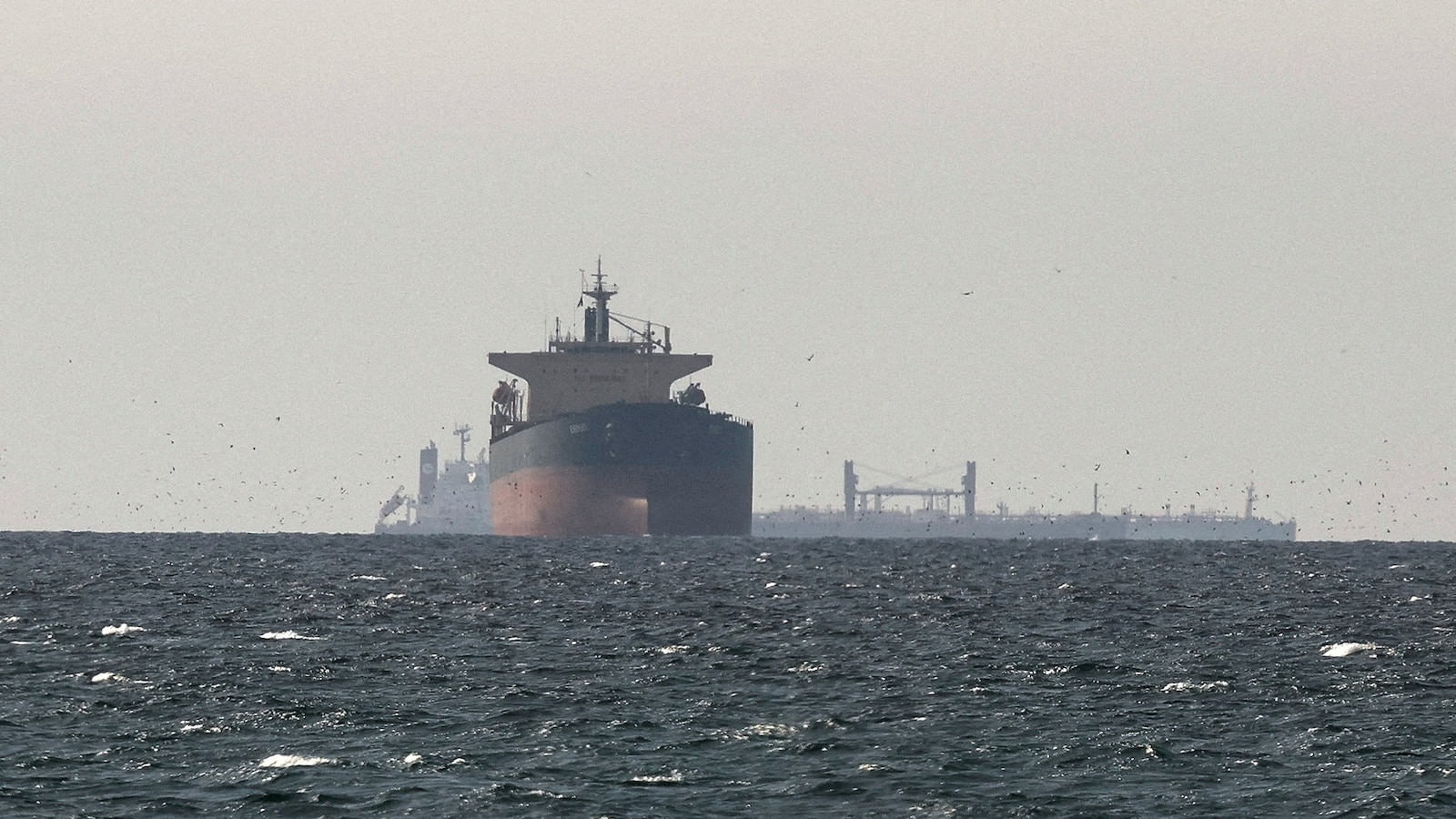
The ongoing conflict with Iran has thrust the world into an unprecedented energy crisis, with the effective shutdown of the Strait of Hormuz sending shockwaves through global oil markets. This narrow waterway, hugging Iran’s southern coast, has long been the world’s most critical oil transit route, quietly facilitating about one-fifth of the planet’s daily oil consumption. To put this in perspective, approximately 20 million barrels of oil passed through this strategic chokepoint every single day in 2024, according to data from the U.S. Energy Information Administration. Since late February, when Iran began attacking oil tankers following the outbreak of war, this vital artery of global commerce has essentially flatlined. The strait, once bustling with massive oil tankers carrying the lifeblood of the modern economy, now sits eerily quiet as shipping companies deem the passage too dangerous to navigate. This disruption represents more than just a regional security concern—it’s a body blow to the intricate system that keeps the global economy running, affecting everything from gasoline prices at your local pump to the cost of goods transported across continents.
The Fragile Alternatives Under Growing Threat
With the Strait of Hormuz effectively closed for business, the world’s energy supply now depends on just two critical backup routes, both of which are operating well beyond their normal capacity and facing their own security threats. Matt Smith, lead oil analyst at Kpler, a prominent energy consulting group, warns that the current situation has exposed just how vulnerable the global energy system really is. The Arabian Peninsula’s oil exports, which keep much of the industrialized world running, now rely almost entirely on Saudi Arabia’s East-West pipeline, terminating at the Red Sea port of Yanbu, and the United Arab Emirates’ ADCOP pipeline, which feeds the export terminal at Fujairah. Under normal circumstances, these facilities handle a fraction of what moves through the Strait of Hormuz. Yanbu typically exports around 750,000 barrels per day of crude oil, while Fujairah manages about 1 million barrels daily through the ADCOP pipeline. However, these are far from normal times. The surge in traffic to these alternative routes has been dramatic and concerning. Yanbu has seen its exports more than triple, jumping to 2.5 million barrels per day this month, with projections suggesting this number could climb even higher as tankers continue to redirect. Fujairah experienced a similar spike, reaching 2.25 million barrels per day before drone strikes in the region caused a sharp drop-off, highlighting the precarious nature of these alternatives.
A System on the Brink of Total Collapse
The stark reality facing energy markets is chilling in its simplicity: if both Yanbu and Fujairah were to be compromised by military action, moving oil out of the Arabian Peninsula would become “virtually impossible,” according to Smith’s analysis. This isn’t hyperbole—it’s a straightforward assessment of the geographic and infrastructural constraints that govern global energy flows. The remaining options are so limited they barely qualify as alternatives. Iran can still export some crude through the Strait of Hormuz and from its Jask terminal, located just outside the strait’s entrance, but this serves only Iran’s interests. Northern Iraq maintains the ability to move oil via pipeline from Kirkuk to the Turkish port of Ceyhan, but this represents a tiny fraction of the region’s total export capacity. Beyond these scattered routes, there simply are no other meaningful options. There is no secret backup plan, no hidden pipeline network that can suddenly spring into action. The global oil supply system, for all its complexity and technological sophistication, ultimately depends on a handful of geographic chokepoints that are now squarely in the crosshairs of an active military conflict. This vulnerability represents decades of infrastructure development optimized for efficiency and cost-effectiveness rather than redundancy and security—a calculation that now seems potentially catastrophic.
Natural Gas: An Even More Precarious Situation
If the oil situation seems dire, the outlook for liquefied natural gas (LNG) is even worse. Smith notes that there are effectively “no alternative” export routes for LNG outside of the Strait of Hormuz, making this energy source even more vulnerable to the current crisis. Qatar, home to one of the world’s largest and most important LNG facilities, sits at the epicenter of this vulnerability. The Ras Laffan facility, a cornerstone of global natural gas supply, suffered significant damage in Iranian strikes earlier this week. The attack reduced Qatar’s LNG export capacity by 17%—a massive hit to global supplies that will reverberate through energy markets for years to come. Perhaps even more sobering than the immediate capacity loss is the timeline for recovery: QatarEnergy’s CEO announced Thursday that repairs to the damaged facility will take up to five years to complete. Five years. That’s not a temporary disruption that markets can weather with strategic reserves and conservation measures—that’s a fundamental restructuring of global energy supply chains. The Qatari Foreign Ministry condemned the attack as a “dangerous escalation,” but the diplomatic language barely captures the magnitude of what has occurred. This wasn’t just an attack on one country’s infrastructure; it was an assault on the energy security of nations across Europe, Asia, and beyond that depend on Qatari LNG to heat homes, generate electricity, and power industries.
Iran’s Strategic Targeting of Regional Energy Assets
The attack on Ras Laffan was not an isolated incident but part of a broader Iranian strategy to target the energy infrastructure that underpins the global economy. The facility was among several energy assets identified by Iran’s Islamic Revolutionary Guard Corps (IRGC) as “legitimate” targets following Israel’s strike on Iran’s largest gas field. The IRGC’s target list reads like a who’s who of critical energy infrastructure across the Gulf region, encompassing key oil production facilities, refining complexes, and natural gas infrastructure that collectively handles millions of barrels per day of energy production and export. This strategic approach represents a significant escalation in the conflict, moving beyond direct military-to-military engagement to targeting the economic foundations of Iran’s adversaries and their allies. By threatening and attacking these facilities, Iran is effectively holding the global economy hostage, betting that the international community’s dependence on Gulf energy supplies will either constrain military action against it or inflict such economic pain on its adversaries that they’ll be forced to negotiate on Iran’s terms. The strategy exploits a fundamental vulnerability in the modern global economy: despite decades of talk about energy independence and diversification, the world remains profoundly dependent on a handful of facilities and transit routes in one of the planet’s most volatile regions.
The Ripple Effects and What Comes Next
The current crisis illuminates uncomfortable truths about energy security that policymakers and industry leaders have long preferred to downplay. The global economy runs on systems optimized for efficiency rather than resilience, with just-in-time delivery models and minimal redundancy that work beautifully under normal conditions but crumble when subjected to serious disruption. The closure of the Strait of Hormuz and the targeting of backup infrastructure like Yanbu, Fujairah, and Ras Laffan represent exactly the kind of systemic shock that these lean systems cannot absorb. Consumers worldwide are already feeling the impact at gas pumps and in their utility bills, but these immediate price increases are just the beginning. If the conflict continues and more infrastructure is damaged or comes under threat, we could see fuel rationing, prioritization of essential transportation, and difficult decisions about industrial production. Airlines, shipping companies, and logistics networks that keep global commerce flowing all depend on reliable access to fuel at predictable prices—assumptions that are now very much in question. The longer-term implications are equally concerning. Even when this particular conflict eventually resolves, the vulnerability it has exposed won’t simply disappear. Countries and companies will need to fundamentally reassess their energy security strategies, potentially investing hundreds of billions of dollars in alternative supply routes, strategic reserves, and redundant infrastructure. The five-year timeline to repair Ras Laffan means that LNG markets will remain tight throughout that period, potentially accelerating the transition to alternative energy sources or, conversely, driving increased reliance on coal and other higher-emission fuels as countries prioritize energy security over climate commitments. What’s clear is that the world that emerges from this crisis will look significantly different from the one that entered it, with energy security considerations taking on renewed urgency in ways we haven’t seen since the oil shocks of the 1970s.