


One Year in Captivity: The Story of Dennis Coyle’s Detention in Afghanistan
A Quiet Scholar Caught in Diplomatic Crossfire
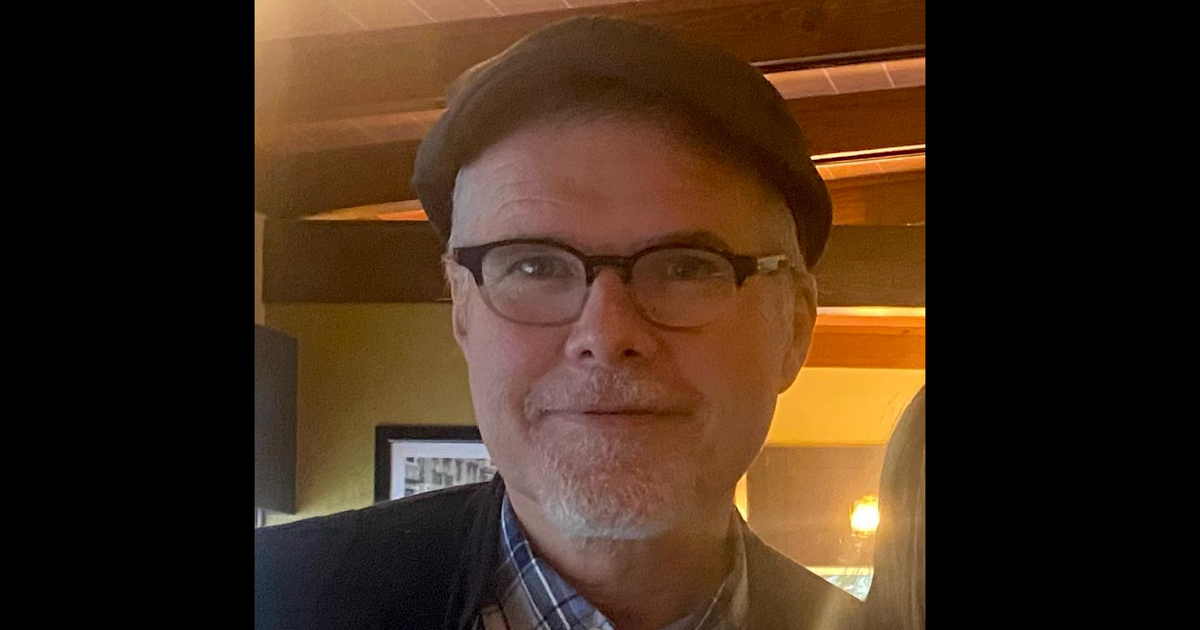
Dennis Coyle’s story is one that seems almost impossible in its tragic irony. A 64-year-old academic from Colorado who had dedicated nearly two decades of his life to Afghanistan, conducting language research and immersing himself in the culture he had come to love, Coyle was forcibly taken from his Kabul apartment by the Taliban one year ago this Monday. The timing of his abduction was particularly cruel—it occurred just six days after another American, Ryan Corbett, had been released at the beginning of President Trump’s second term. For Coyle, a man who had built deep ties to Afghan communities and maintained legal status in the country throughout his years there, the detention represents a shocking turn of events. According to his family, he is currently being held by the Taliban General Directorate of Intelligence in near-solitary confinement, confined to a basement room where he must ask permission even to use the bathroom. No formal charges have been filed against him. His situation starkly illustrates the precarious position of Americans in Afghanistan and the ongoing practice of hostage diplomacy that has ensnared innocent people in geopolitical negotiations far beyond their control.
A Family’s Year of Anguish
The human cost of Coyle’s detention extends far beyond one man sitting alone in a basement cell. His 83-year-old mother, Donna, along with his three sisters—Molly, Amy, and Patti—have endured a year of crushing worry and uncertainty. Molly Long, speaking on behalf of the family, painted a picture of her brother that contrasts sharply with any notion that he could pose a threat: “Dennis is a gentle, soft-spoken man who always listens deeply to others, often over a comforting cup of hot green tea, embodying the Afghan cultural emphasis of hospitality and respectful presence.” She emphasized that during his nearly two decades in Afghanistan, Dennis faithfully honored the Afghan cultural values of hospitality and kindness—the very values that now seem to have been turned against him. The family has been forced to celebrate births and family milestones without him, marking each occasion with his absence. They’ve witnessed everyday moments pass by, knowing he’s missing them all from his isolated confinement. “This past year has been incredibly challenging for our family, as we’ve become entangled in the abhorrent practice of hostage diplomacy,” Long shared, expressing the bewilderment of a family who never imagined they would find themselves navigating the murky waters of international detention and diplomatic negotiations. Despite their anguish, the family has found some comfort in bipartisan support and President Trump’s personal commitment to address the matter, expressing gratitude for his track record in securing the release of over 90 hostages from various countries including Gaza and Venezuela.
The Taliban’s Claims and the Reality of Detention
Two Taliban officials have insisted that Coyle is in good health and that his “rights as a prisoner are protected,” claiming that formal court proceedings would begin “soon.” However, these assurances ring hollow against the reality described by his family—a man held in near-solitary confinement in a basement, denied basic freedoms, and subjected to months of detention without charge. The vague promise that proceedings will begin “soon” offers little comfort to a family that has already waited a full year without answers. The situation is further complicated by the fact that the United States does not recognize the Taliban as Afghanistan’s legitimate government and maintains no diplomatic presence in the country, making negotiations extraordinarily difficult. Last June, the U.S. government took the significant step of officially designating Coyle as wrongfully detained under the Robert Levinson Hostage Recovery and Hostage-Taking Accountability Act—a designation that unlocks certain government tools and elevates the priority of efforts to secure his release. The State Department has been clear in its position: “The Taliban should immediately release Dennis Coyle and all Americans detained in Afghanistan and end its practice of hostage diplomacy.” They’ve also issued stark warnings to all Americans: “Do not travel to Afghanistan. The Taliban has detained Americans for years and the U.S. Government cannot guarantee your safety.”
The Complex Dance of Prisoner Exchanges
Coyle’s detention exists within a broader context of ongoing negotiations between the United States and the Taliban, mediated largely through Qatar acting as an intermediary. Taliban chief spokesman Zabihullah Mujahid acknowledged that “negotiations have indeed taken place and are ongoing; however, both sides have not yet reached a final conclusion.” The Taliban has framed these discussions around what they view as reciprocal wrongful detentions, with Mujahid stating that “Afghans have been wrongly detained by the United States and continue to be held there. Their fate, as well as the suffering of their families, is similar to that experienced by others in detention.” The central figure in these negotiations appears to be Muhammad Rahim al Afghani, a Guantanamo Bay detainee alleged to have been an associate of Osama bin Laden. The Biden administration attempted negotiations to swap Americans detained in Afghanistan for Rahim, but those talks ultimately collapsed. Previous exchanges have occurred—most notably in January when Ryan Corbett and William McKenty were released in exchange for a Taliban figure imprisoned for life on drug trafficking charges, followed by the release of George Glezmann and Faye Hall in March, and Amir Amiri last September. However, one senior Taliban official speaking anonymously suggested that the U.S. had committed to releasing Rahim within three to six months when previous American detainees were freed, claiming “we have already made many concessions. That is enough.” This indicates the Taliban may view Coyle as leverage to force the release of their remaining detainee.
Other Americans Held and the Broader Immigration Context
Dennis Coyle is not alone in Taliban custody. At least one other American—a former U.S. army soldier whose reasons for traveling to Afghanistan remain unclear—is believed to be currently detained. Additionally, the State Department has offered a $5 million reward for information leading to the return of Afghan-American Mahmoud Habibi, who was abducted in 2022, though Taliban officials claim they are “not aware of Habibi’s current status” and deny having arrested him. The situation exists against a backdrop of dramatically shifting U.S.-Afghanistan relations. During President Trump’s first administration, steps were taken toward normalizing relations with the Taliban, including troop withdrawal agreements and increased diplomatic contacts. Last September, Trump expressed interest in regaining access to Bagram Air Base, signaling a desire to maintain strategic leverage in Afghanistan. However, any potential warming of relations has been significantly complicated by sweeping immigration restrictions implemented by the Trump administration, which suspended visa issuance and entry for Afghan nationals under national security proclamations and paused processing of virtually all Afghan immigration and asylum applications. This domestic policy debate intensified following a November 2025 shooting in Washington, D.C., in which an Afghan national evacuated after the 2021 withdrawal allegedly killed a National Guardsman and wounded another. The suspect had previously served in Afghanistan’s elite “Zero Units,” paramilitary forces that operated under CIA direction, highlighting the complex legacy of America’s two-decade involvement in Afghanistan.
Fighting for Freedom and the Path Forward
Despite the challenging circumstances, negotiations continue. Taliban sources confirm that the Taliban and United States remain in contact, noting that former U.S. Ambassador Zalmay Khalilzad visited Kabul earlier this month, and White House counterterrorism advisor Seb Gorka and special envoy for hostage response Adam Boehler traveled to Afghanistan to broker Amiri’s release in September. However, one senior Taliban official struck a firm tone: “We are very clear that we will not offer any further goodwill gestures.” The Trump administration created the State Sponsor of Wrongful Detention designation last September, modeled after the state sponsors of terrorism designation, which would give the State Department authority to impose sanctions, export controls, and travel restrictions on countries that detain Americans for political leverage. To date, however, no countries have been designated under this measure. Meanwhile, Coyle’s family refuses to remain passive. They’ve launched FreeDennisCoyle.com to coordinate advocacy efforts and share updates about his case, determined to keep his story in the public eye until he returns home. When President Trump was asked about Coyle’s case last week, he said he would “take a very strong position on it,” though he didn’t elaborate on specific actions. For Coyle’s elderly mother and his three sisters, these words represent hope—hope that the same presidential determination that freed over 90 hostages from various countries might soon bring their gentle, tea-drinking scholar home from his basement prison in Kabul, ending a nightmare year of separation and uncertainty.